For industrial applications involving the handling of polyvinyl alcohol formaldehyde (PVA-F) powders, the pneumatic conveying system plays a crucial role in ensuring efficient and reliable material transport. This article provides an in-depth exploration of the operating process and working principle of such a system, highlighting key components, operational steps, and the technical aspects that contribute to its effectiveness.
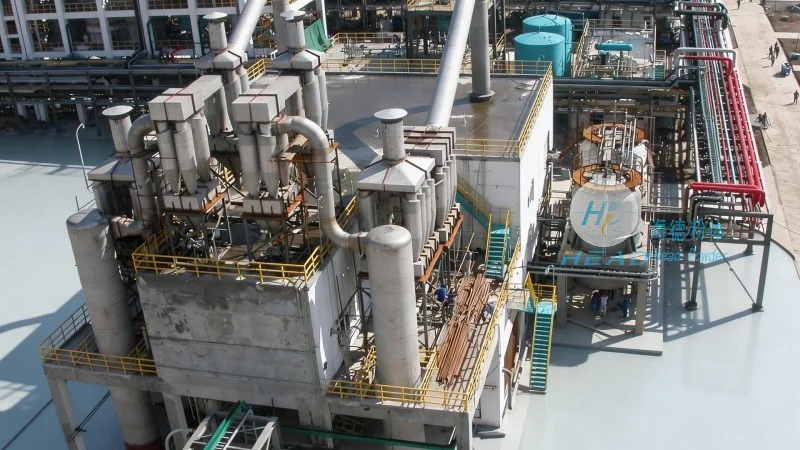
Introduction to Polyvinyl Alcohol Formaldehyde Powder Pneumatic Conveying
Polyvinyl alcohol formaldehyde is a widely used synthetic polymer in various industries, including adhesives, textiles, and coatings. The handling of this powder requires specialized equipment to maintain product integrity and operational safety. Pneumatic conveying machines, which utilize air or gas to transport dry powders, offer a solution that minimizes material degradation and contamination. The system from Shandong HeadPowder Engineering Co., Ltd. is designed to meet these demands, providing a robust and efficient method for powder transport.
Key Components of the Pneumatic Conveying System
The pneumatic conveying machine for PVA-F powders consists of several critical components that work in tandem to facilitate material transport. These include the hopper for powder storage, the air compressor or blower to generate the conveying air, the pipeline system for transporting the powder-air mixture, the control valves to regulate flow, and the discharge unit for delivering the material to the destination. Each component is engineered to handle the specific properties of PVA-F, such as its fine particle size and potential for static electricity, ensuring optimal performance.
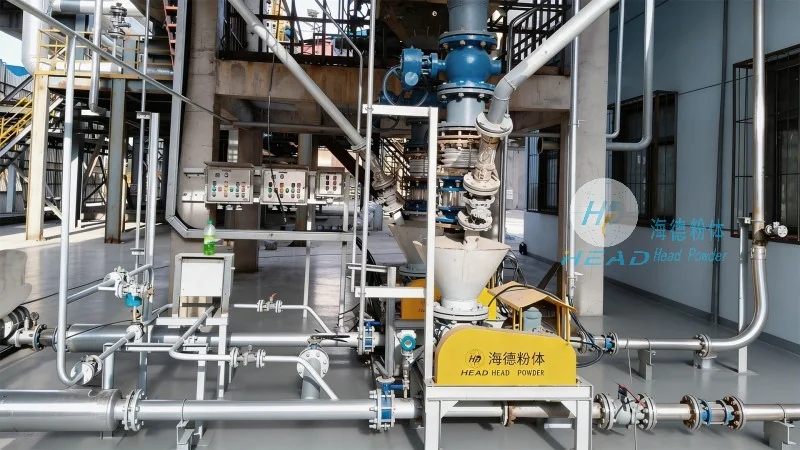
Operating Process: Step-by-Step Explanation
The operation of the polyvinyl alcohol formaldehyde powder pneumatic conveying machine involves a series of sequential steps that ensure smooth and continuous material transport. The process begins with the loading of PVA-F powder into the hopper. As the material is drawn into the system, the air compressor or blower generates a flow of air, which is introduced into the pipeline. The air flow creates a pressure differential that lifts the powder particles and carries them through the system. The mixture of powder and air travels through the pipeline, passing through any necessary control valves and filters to maintain consistent flow rates. At the discharge end, the air is separated from the powder, typically using a cyclone separator or a bag filter, and the powder is collected in the receiving container. The system is controlled by a programmable logic controller (PLC) that monitors pressure, flow rate, and other parameters to ensure stable operation.
Working Principle: How the System Transports Powder
The working principle of the pneumatic conveying system relies on the principles of fluid dynamics and particle transport. When air is introduced into the pipeline, it creates a low-pressure zone that draws the powder particles into the air stream. The velocity of the air is maintained at a level sufficient to overcome the gravitational force acting on the powder particles, allowing them to be suspended and transported. The system can operate in either positive pressure or negative pressure modes, depending on the application requirements. Positive pressure systems use compressed air to push the powder through the pipeline, while negative pressure systems use suction to draw the powder from the source. The choice of mode depends on factors such as the distance to be covered, the material's properties, and the desired flow rate. The HeadPowder system is designed to accommodate both modes, providing flexibility for various industrial setups.
Advantages of the Pneumatic Conveying System for PVA-F Powders
Implementing a pneumatic conveying system for polyvinyl alcohol formaldehyde powders offers several advantages over traditional methods like bucket elevators or belt conveyors. First, it eliminates the need for mechanical contact with the powder, reducing the risk of contamination and product degradation. The system also minimizes material spillage and dust emissions, contributing to a cleaner and safer working environment. Additionally, pneumatic conveying allows for the transport of powders over longer distances and through complex layouts without the need for multiple transfer points. The HeadPowder system's design ensures high efficiency, with minimal energy consumption and low maintenance requirements, making it a cost-effective solution for industrial powder handling.
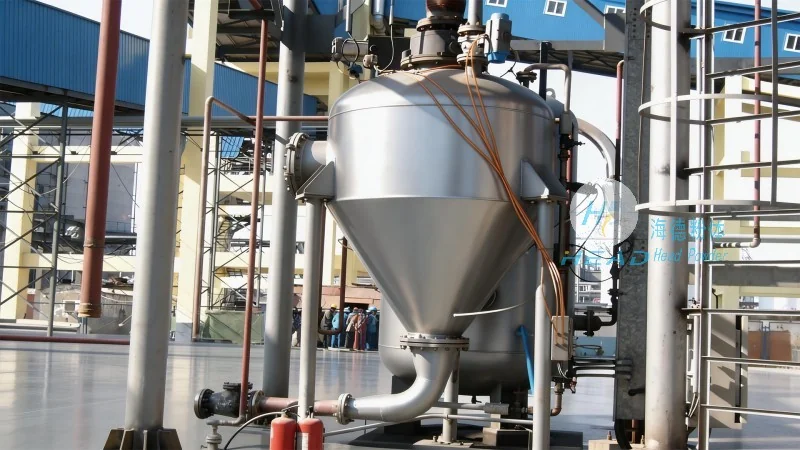
Applications and Industrial Use Cases
The polyvinyl alcohol formaldehyde powder pneumatic conveying machine is widely used in industries where PVA-F is a key raw material. In the adhesive industry, it is used to transport PVA-F powders to mixing and processing units. In textile manufacturing, the system ensures consistent supply of PVA-F to finishing lines. The chemical industry also benefits from this system for transporting PVA-F in production processes. The HeadPowder system's adaptability and reliability make it suitable for a range of applications, from small-scale production to large industrial facilities.
Maintenance and Operational Considerations
To ensure the long-term performance and reliability of the pneumatic conveying system, regular maintenance is essential. This includes checking the air compressor or blower for proper operation, inspecting the pipeline for blockages or leaks, and cleaning the filters and cyclone separators to prevent clogging. The system's control panel should be monitored regularly to detect any deviations in pressure or flow rates, which may indicate issues with the material or equipment. Proper training of operators is also crucial to ensure safe and efficient operation. By following these maintenance practices, the HeadPowder system can provide consistent performance and minimize downtime, contributing to overall operational efficiency.




