HeadPowder, a leading manufacturer based in Shandong, China, specializes in the design and production of advanced dry sand material handling systems. These systems are engineered to efficiently transport dry sand and similar bulk materials in industrial applications. The equipment is built with robust components to ensure reliable operation under various working conditions, making it suitable for construction sites, mining operations, and other industries that require consistent material transport solutions.
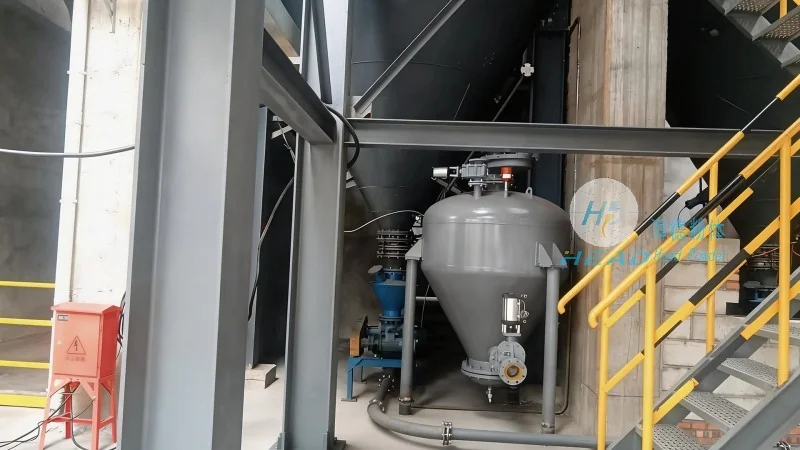
Key Components and Their Functions
The dry sand material handling system typically consists of several critical components that work in tandem to achieve efficient material transport. The primary components include a hopper for material storage, a conveyor mechanism (such as a belt or screw conveyor) for movement, a control system for operation, and a discharge outlet for material release. Each component plays a vital role in the overall functionality of the system. The hopper is designed to hold a substantial volume of dry sand, ensuring a steady supply to the conveyor. The conveyor mechanism, often equipped with a drive system, moves the material from the hopper to the discharge point. The control system allows operators to adjust the speed and direction of the conveyor, optimizing the transport process. The discharge outlet is strategically positioned to direct the material to the desired location, minimizing spillage and ensuring safety.
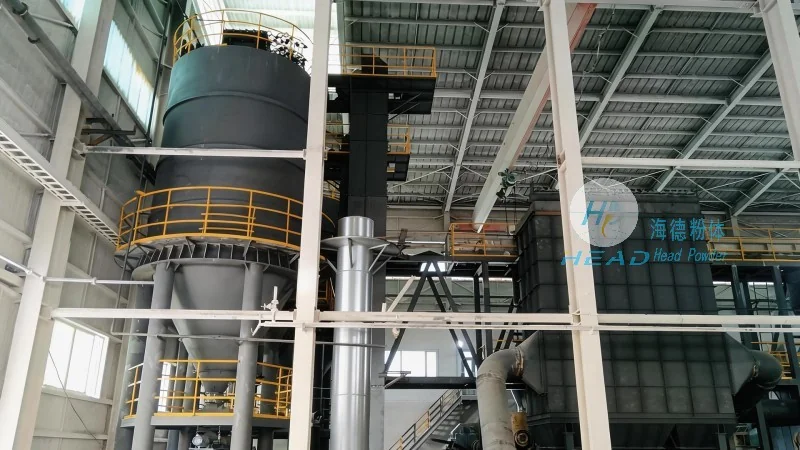
Operation Process of the Dry Sand Material Handling System
The operation of the dry sand material handling system follows a systematic process that ensures smooth and continuous material transport. Initially, dry sand is fed into the hopper from a storage silo or a bulk container. The hopper’s design, with its sloped sides, facilitates the material flow into the conveyor inlet. Once the material reaches the conveyor, the drive system activates, moving the sand along the conveyor path. The speed of the conveyor can be adjusted based on the material characteristics and the required transport rate. As the material moves, it is transported to the discharge outlet, where it is released into a storage bin or directly to the processing equipment. The control system monitors the entire process, providing real-time feedback on the material level in the hopper and the conveyor speed. This allows for immediate adjustments if any issues arise, such as a blockage or a change in material flow rate. The operation is designed to be automated, reducing the need for manual intervention and enhancing operational efficiency.
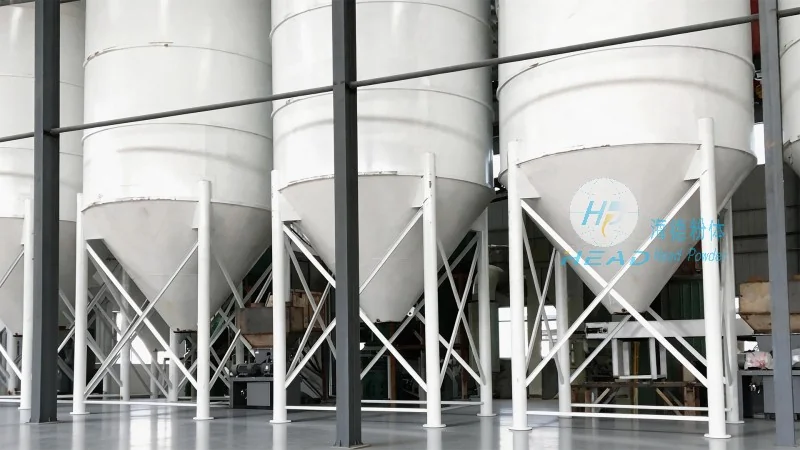
Working Principle of the Dry Sand Material Handling System
The working principle of the dry sand material handling system is based on the principles of gravity and mechanical force. The system leverages gravity to assist in material flow from the hopper to the conveyor. The hopper’s sloped design ensures that the dry sand moves downward due to gravity, reducing the need for additional power to initiate the material movement. The conveyor mechanism then uses mechanical force, typically through a motor-driven system, to transport the material horizontally or at a slight incline. The belt or screw conveyor rotates, carrying the sand along its surface or through its channels. The speed of the conveyor is controlled by the motor, which can be adjusted to match the material’s flow characteristics. The discharge outlet is positioned at the end of the conveyor, allowing the material to be released under gravity or with minimal force. The control system integrates sensors and feedback mechanisms to maintain the optimal operating conditions. For example, if the hopper level is low, the system may adjust the conveyor speed to prevent overloading. Similarly, if the conveyor experiences a blockage, the control system can activate alarms or stop the conveyor to prevent damage. This integrated approach ensures that the system operates efficiently and safely, minimizing downtime and maximizing productivity.
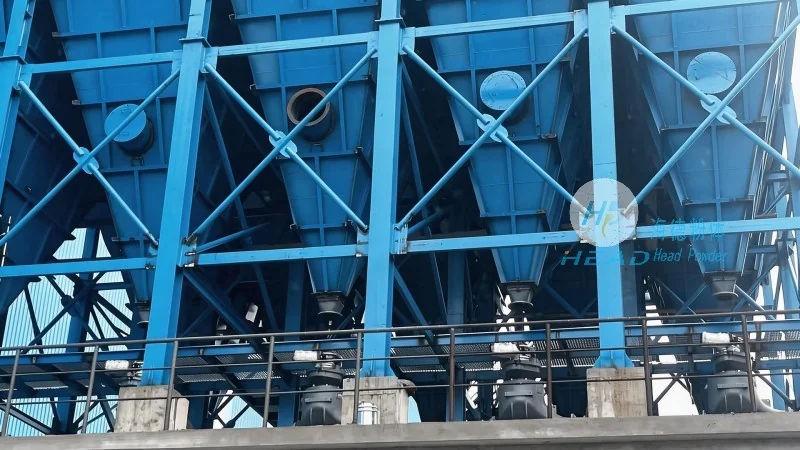
Advantages and Applications
The dry sand material handling system offers several advantages that make it a preferred choice in various industrial applications. One of the key advantages is its high efficiency in transporting bulk materials, reducing labor costs and increasing productivity. The system is also designed for durability, with robust components that can withstand harsh working conditions, such as high temperatures or abrasive materials. Another advantage is its flexibility, as the conveyor speed and direction can be adjusted to accommodate different material types and transport requirements. The system is widely used in construction sites for transporting sand for concrete mixing, in mining operations for transporting ore or sand, and in manufacturing plants for material handling in production lines. The reliability and efficiency of the system make it an essential component in industries that rely on consistent and continuous material transport.




