Shandong HeadPowder Engineering Co., Ltd., a leading manufacturer in the field of industrial material handling solutions, specializes in the design, production, and supply of advanced equipment tailored for the fermentation industry. The company, commonly known as HeadPowder, is headquartered in Shandong, China, and has built a strong reputation for delivering high-quality, reliable machinery that meets the specific demands of modern fermentation processes. This article provides a detailed overview of the operation process and working principle of the fermentation curd material handling equipment, highlighting its key features and technical aspects.
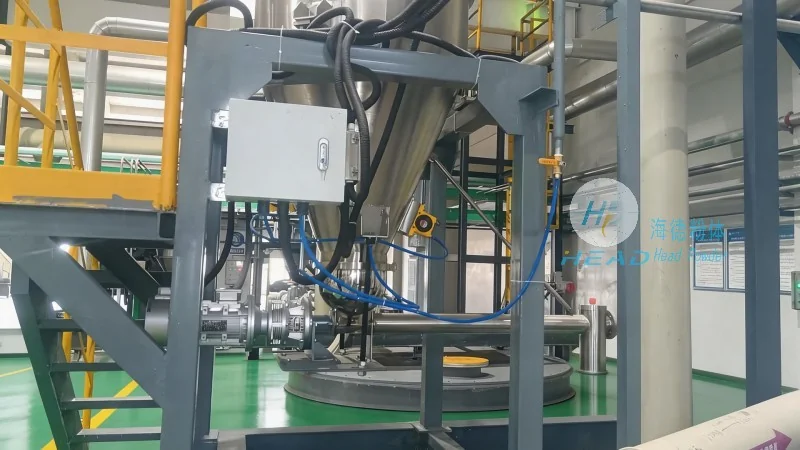
Overview of Fermentation Curd Material Handling Equipment
The fermentation curd material handling equipment is a specialized system engineered to efficiently transport and manage curd materials—such as fermented grains, yeast cultures, and other raw materials—throughout the production line. These materials are critical components in the fermentation process, and their proper handling is essential for maintaining product quality, consistency, and operational efficiency. The equipment is designed to handle various curd types, including solid and semi-solid materials, and is equipped with features that ensure minimal contamination, optimal temperature control, and smooth material flow. HeadPowder’s expertise in mechanical engineering and fermentation technology has led to the development of robust, user-friendly systems that integrate seamlessly with existing production infrastructure.
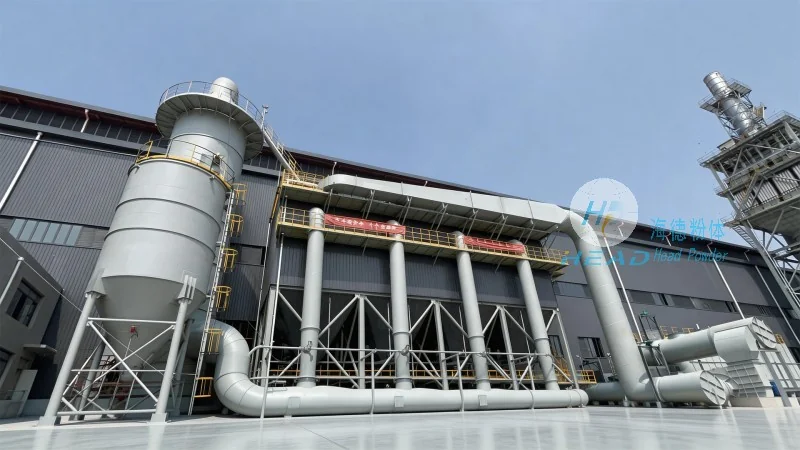
Key Components and Structure
The fermentation curd material handling equipment typically consists of several key components, each playing a crucial role in the overall operation. These components include: (1) Inlet and Outlet Hoppers: These are used to receive and discharge curd materials, with designs that prevent material spillage and ensure easy cleaning. (2) Conveyor Belts or Screw Conveyors: Depending on the material characteristics, the system may use belt conveyors for bulk materials or screw conveyors for semi-solid curds. The conveyor system is equipped with adjustable speed controls to regulate material flow rates. (3) Pneumatic or Hydraulic Systems: These systems provide the necessary force to move materials through the equipment, ensuring consistent and controlled transport. (4) Sensors and Control Panels: Advanced sensors monitor parameters such as material level, temperature, and flow rate, while the control panel allows operators to adjust settings and monitor the system’s performance in real-time. The entire structure is constructed from high-quality, food-grade materials to meet hygiene standards and ensure durability.
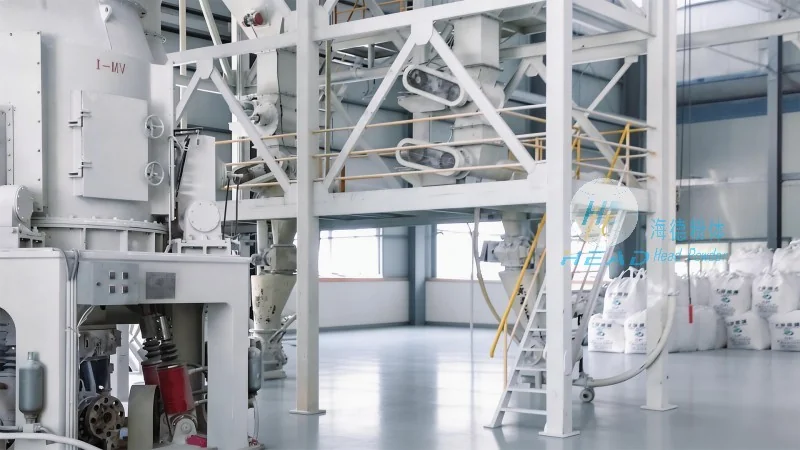
Operation Process of Fermentation Curd Material Handling Equipment
The operation of the fermentation curd material handling equipment follows a systematic process that ensures efficient material transport from the inlet to the outlet. The process begins with the loading of curd materials into the inlet hopper. Once the hopper is filled, the conveyor system is activated, and the materials are transported to the next stage of the production line. The speed of the conveyor can be adjusted based on the material’s density and viscosity, allowing for precise control over the flow rate. During transport, the equipment may incorporate features such as temperature regulation to maintain optimal conditions for the curd. For example, if the curd is sensitive to temperature changes, the system can be equipped with heating or cooling elements to keep the material within a specific temperature range. The materials then move through the outlet hopper, where they are discharged into the next processing unit. The entire operation is monitored by the control panel, which provides real-time data on the system’s performance and alerts operators to any issues, such as blockages or abnormal flow rates.
Working Principle of Fermentation Curd Material Handling Equipment
The working principle of the fermentation curd material handling equipment is based on mechanical and pneumatic/hydraulic systems that work in tandem to move materials through the system. The core mechanism involves the use of conveyor components (such as belts or screws) that are driven by motors, which convert electrical energy into mechanical energy to move the materials. The pneumatic or hydraulic systems provide the necessary force to overcome friction and resistance, ensuring smooth material flow. The sensors and control systems play a critical role in maintaining the stability of the operation. For instance, level sensors in the inlet hopper detect when the hopper is full and signal the system to pause loading, preventing overfilling. Flow sensors monitor the speed of material movement and adjust the conveyor speed accordingly to maintain a consistent flow rate. The control panel integrates all these functions, allowing operators to set parameters, monitor real-time data, and make adjustments as needed. This integrated approach ensures that the equipment operates efficiently and reliably, minimizing downtime and maximizing productivity.
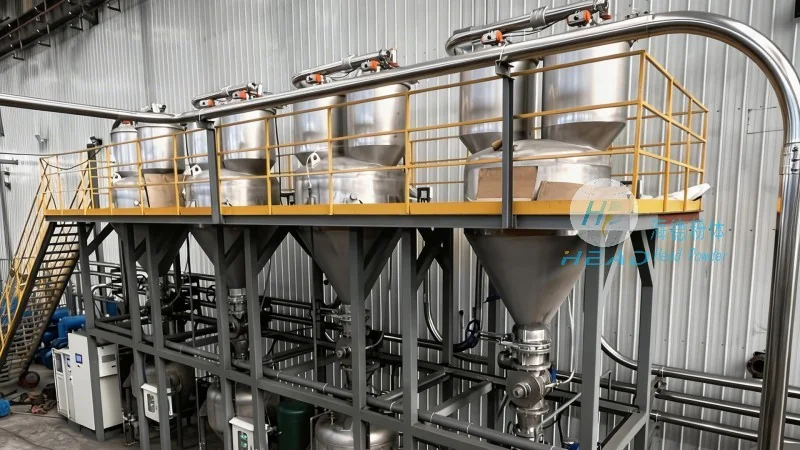
Technical Advantages and Applications
HeadPowder’s fermentation curd material handling equipment offers several technical advantages that make it suitable for a wide range of fermentation applications. These advantages include: (1) High Efficiency: The equipment is designed to handle large volumes of curd materials with minimal energy consumption, reducing operational costs. (2) Precision Control: Adjustable speed controls and sensors allow for precise control over material flow rates and temperature, ensuring consistent product quality. (3) Hygienic Design: The use of food-grade materials and easy-to-clean components ensures compliance with hygiene standards, making it suitable for industries such as brewing, distilling, and food processing. (4) Durability: The robust construction and high-quality components ensure long-term reliability, reducing maintenance costs and downtime. The equipment is widely used in various fermentation processes, including beer brewing, wine production, and other alcoholic beverages, as well as in the production of fermented foods like soy sauce and vinegar. Its versatility and adaptability make it a valuable asset for any fermentation facility.




