HeadPowder, a leading enterprise in the field of powder handling technology, specializes in the design, manufacturing, and supply of advanced conveying systems for various bulk materials, including sand. The company is headquartered in Shandong, China, and has established itself as a reliable partner for industries requiring efficient and reliable powder transport solutions. This article provides a detailed overview of the operation process and working principle of sand powder conveying equipment, highlighting the key components, operational procedures, and technical aspects that contribute to its effectiveness in material handling applications.
Key Components of Sand Powder Conveying Systems
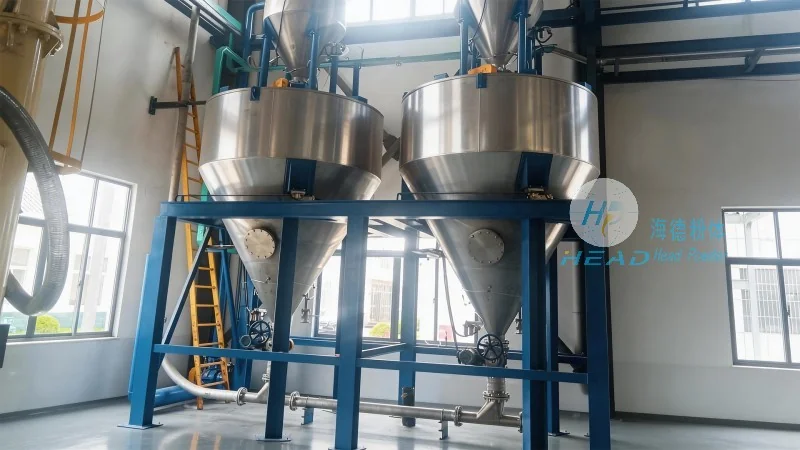
The sand powder conveying equipment typically consists of several essential components that work in tandem to ensure smooth and continuous material transport. These components include the hopper for material storage, the conveyor mechanism (such as screw conveyors, pneumatic systems, or belt conveyors), control valves, and a discharge system. The hopper is designed to hold a sufficient quantity of sand, ensuring a steady supply to the conveyor. The conveyor mechanism is the core of the system, responsible for moving the sand from the hopper to the desired destination. Control valves are used to regulate the flow rate and pressure, allowing for precise control over the conveying process. The discharge system ensures that the sand is delivered to the target location efficiently, minimizing spillage and ensuring compliance with safety standards.
Operation Process of Sand Powder Conveying Equipment
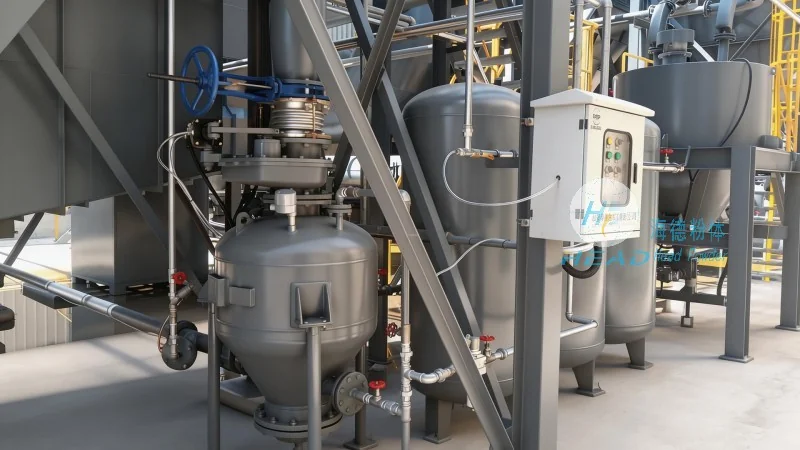
The operation process of sand powder conveying equipment involves several sequential steps that ensure the smooth transport of sand from the source to the destination. The first step is the loading of sand into the hopper. The hopper is typically equipped with a feeding mechanism, such as a gate or a feeder, which controls the flow of sand into the conveyor. Once the hopper is filled, the conveyor mechanism is activated, starting the transport process. The conveyor then moves the sand through the system, with the speed and direction controlled by the system's control panel. The control panel allows operators to adjust the flow rate and pressure as needed, ensuring optimal performance. The discharge system then collects the sand and delivers it to the target location, such as a storage silo or a processing unit. Throughout the operation, sensors and monitoring systems are used to track the material flow and detect any potential issues, such as blockages or low material levels. This ensures that the system operates efficiently and safely, minimizing downtime and maximizing productivity.
Working Principle of Sand Powder Conveying Equipment
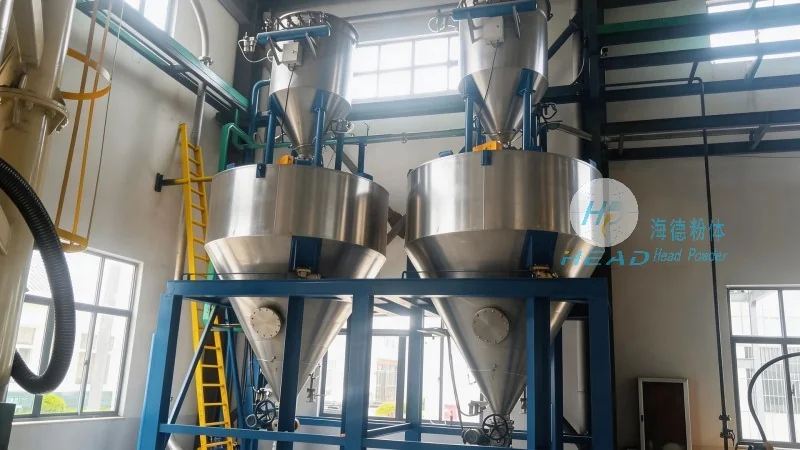
The working principle of sand powder conveying equipment is based on the physical properties of sand and the mechanical design of the conveying system. The primary principle is the use of a conveyor mechanism to move the sand from the hopper to the discharge point. The conveyor mechanism can be pneumatic, mechanical, or a combination of both, depending on the specific application and material characteristics. In pneumatic conveying systems, compressed air is used to create a flow of sand through a pipeline, while mechanical systems use rotating components, such as screws or belts, to move the material. The choice of system depends on factors such as the distance to be covered, the material's density, and the required flow rate. The hopper provides a storage area for the sand, ensuring a continuous supply to the conveyor. The control valves regulate the flow of sand into the conveyor, preventing overloading and ensuring a steady flow. The discharge system collects the sand and delivers it to the target location, completing the transport process. The entire system is designed to be efficient, reliable, and safe, with features such as overload protection, material level monitoring, and emergency stop mechanisms to ensure optimal performance and operator safety.




