Ammonium chloride, a widely used chemical compound in various industrial applications, requires efficient and reliable powder handling solutions for its transportation and processing. The operation process and working principle of an ammonium chloride powder conveying system are crucial for ensuring smooth and safe material transfer. This article provides a detailed overview of the system's functionality, focusing on the key components, operational steps, and the underlying principles that enable effective powder handling.
HeadPowder, a leading manufacturer in the field of powder engineering, specializes in designing and supplying advanced conveying systems tailored to the specific needs of industries dealing with ammonium chloride and other similar powders. With a strong commitment to quality and innovation, the company has developed systems that enhance productivity, reduce operational costs, and ensure compliance with safety standards. The following sections will delve into the operational process and working principles of such systems, highlighting the technical aspects and practical applications.
Key Components of the Powder Conveying System
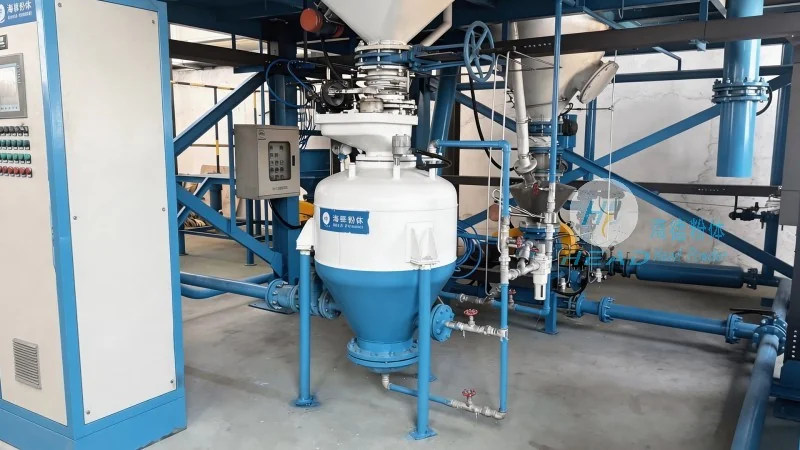
The ammonium chloride powder conveying system typically consists of several essential components that work in tandem to achieve efficient material transfer. These components include the hopper for material storage, a feeder to control the flow rate, a conveyor (such as a screw conveyor or pneumatic system) for transporting the powder, and a discharge mechanism to deliver the material to the next processing stage. Each component plays a vital role in maintaining the system's performance and ensuring consistent operation.
The hopper is designed to hold a sufficient quantity of ammonium chloride, providing a stable feed to the feeder. It is often equipped with a level indicator to monitor the material level and prevent overfilling or underfilling. The feeder, usually a rotary valve or a vibratory feeder, regulates the flow rate of the powder, ensuring a controlled and uniform discharge into the conveyor. The conveyor system, which can be either mechanical (e.g., screw or belt conveyor) or pneumatic (air-based), transports the ammonium chloride from the hopper to the discharge point. The choice of conveyor type depends on factors such as the material's properties, the required conveying distance, and the system's capacity.
Operation Process of the Powder Conveying System
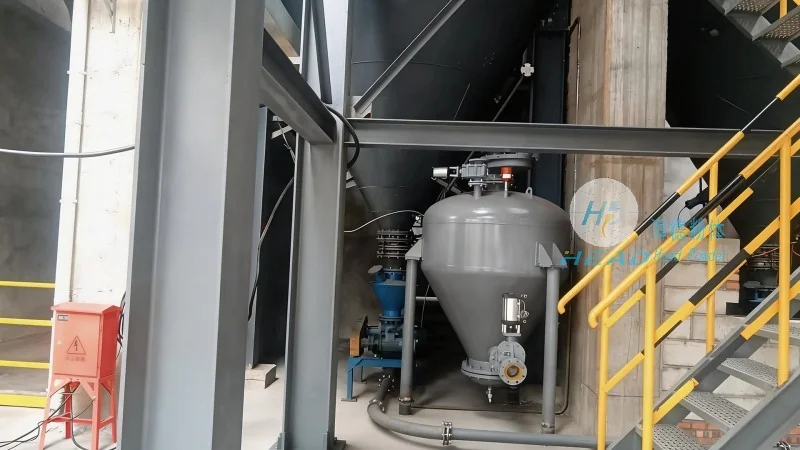
The operation process of the ammonium chloride powder conveying system involves several sequential steps that ensure the smooth transfer of material. The process begins with the loading of ammonium chloride into the hopper. Once the hopper is filled, the feeder starts operating, controlling the flow rate of the powder into the conveyor. The conveyor then transports the material to the discharge point, where it is collected and directed to the next stage of processing. Throughout the operation, the system's controls monitor key parameters such as flow rate, pressure, and temperature to maintain optimal performance. Any deviations in these parameters are detected and corrected by the control system, ensuring consistent and reliable operation.
During the operation, the system may also include features such as dust collection and filtration to prevent airborne particles from contaminating the environment and to maintain a clean working area. These features are particularly important when handling ammonium chloride, as the powder can be fine and potentially hazardous if not properly contained. The system's design incorporates appropriate safety measures, such as explosion-proof components and emergency stop mechanisms, to protect operators and equipment from potential risks.
Working Principle of the Powder Conveying System
The working principle of the ammonium chloride powder conveying system is based on the principles of fluidization and mechanical transport. In a mechanical conveyor system, the powder is moved by the rotation of a screw or the movement of a belt, which exerts a force on the material particles, causing them to move forward. The screw conveyor, for example, consists of a rotating screw inside a tube, which pushes the powder along the length of the conveyor. The speed of the screw and the pitch of the screw blades determine the conveying capacity and the flow rate of the material.
In a pneumatic conveying system, the powder is transported using compressed air. The ammonium chloride is introduced into a hopper, and then a fan or blower creates a flow of air that carries the powder particles through a pipeline to the discharge point. The air velocity and the pipeline design are critical factors in determining the efficiency of the pneumatic system. Pneumatic systems are particularly suitable for long-distance conveying and for handling materials that are sensitive to mechanical stress or heat.
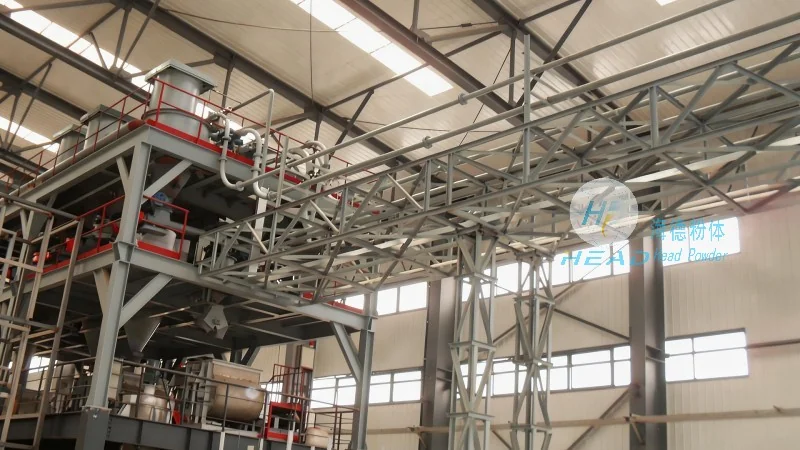
The working principle also involves the control of material flow and the prevention of blockages. In both mechanical and pneumatic systems, the feeder and the conveyor are designed to prevent the accumulation of powder, which can lead to blockages and system failure. The control system monitors the pressure and flow rates, and adjusts the operation of the feeder and conveyor as needed to maintain a smooth flow. This ensures that the system operates continuously without interruptions, maximizing productivity and minimizing downtime.
Benefits of Using an Ammonium Chloride Powder Conveying System
Implementing an efficient ammonium chloride powder conveying system offers several benefits to industrial operations. Firstly, it enhances productivity by ensuring a consistent and continuous flow of material, reducing the time required for manual handling and increasing the overall throughput of the process. Secondly, it reduces operational costs by minimizing material waste and lowering the energy consumption associated with manual handling. Thirdly, it improves safety by containing the powder and preventing dust emissions, which can pose health risks to workers. Additionally, the system's design allows for easy integration with other processing equipment, facilitating a streamlined production process.
HeadPowder's systems are designed to meet these benefits and more. By leveraging advanced engineering and materials, the company's conveying systems provide reliable performance, long service life, and low maintenance requirements. The systems are also customizable to accommodate different production scales and material properties, ensuring that they meet the specific needs of each customer. This flexibility and adaptability make HeadPowder's solutions ideal for a wide range of industrial applications, from small-scale operations to large-scale manufacturing facilities.




