Fracking sand pneumatic conveying systems are critical components in the oil and gas industry, particularly for hydraulic fracturing operations. These systems are designed to efficiently transport proppant (such as sand or ceramic particles) from storage to the fracturing site. The equipment plays a vital role in ensuring the smooth and reliable delivery of proppant, which is essential for maintaining the integrity of the fracture and optimizing the overall fracturing process. As a key technology in modern oilfield operations, understanding the operation process and working principle of these systems is crucial for operators to maximize efficiency and minimize downtime.
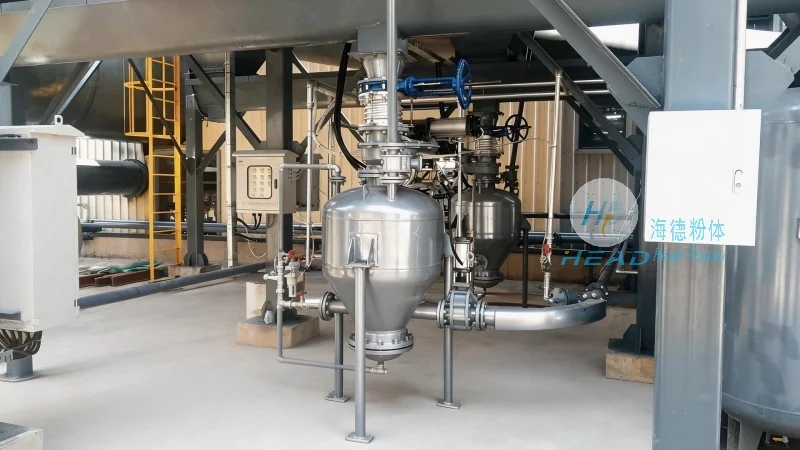
Key Components of the Pneumatic Conveying System
The fracking sand pneumatic conveying system consists of several core components that work in tandem to achieve effective material transport. These components include the hopper, feeder, air compressor, pipeline network, and receiver. The hopper serves as the storage container for the proppant, providing a consistent supply of material to the system. The feeder then regulates the flow of proppant from the hopper into the pipeline. The air compressor generates the necessary air pressure to move the material through the system. The pipeline network, typically made of high-pressure steel or flexible hoses, transports the proppant-air mixture from the feeder to the receiver. Finally, the receiver collects the proppant and returns it to the hopper for reuse. Each component is engineered to withstand the high pressures and abrasive nature of the proppant, ensuring long-term reliability and performance.
Operation Process of the Pneumatic Conveying System
The operation process of the fracking sand pneumatic conveying system involves several sequential steps. First, the proppant is loaded into the hopper. The feeder then starts to discharge the proppant into the pipeline at a controlled rate. Simultaneously, the air compressor begins to generate high-pressure air, which is introduced into the pipeline. The air and proppant mixture is then propelled through the pipeline to the receiver. The receiver, equipped with a separator, separates the proppant from the air, allowing the air to be recirculated back to the compressor and the proppant to be collected for reuse. This continuous cycle ensures a steady supply of proppant to the fracturing site, minimizing the need for manual handling and reducing the risk of material loss or contamination. The system's operation is typically automated, with sensors and control systems monitoring key parameters such as pressure, flow rate, and material level to maintain optimal performance.
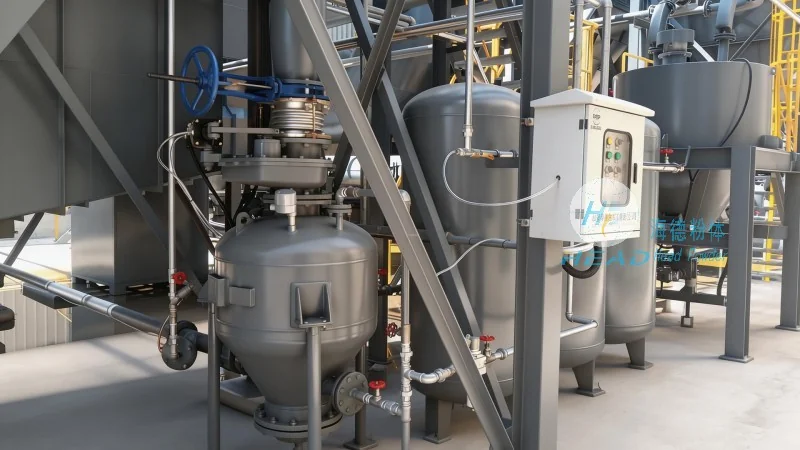
Working Principle of the Pneumatic Conveying System
The working principle of the fracking sand pneumatic conveying system is based on the principle of fluidization and pneumatic transport. When high-pressure air is introduced into the pipeline, it creates a low-density mixture of air and proppant particles. This mixture behaves like a fluid, allowing the proppant to be transported through the pipeline with minimal friction. The air pressure is maintained at a level sufficient to overcome the gravitational force of the proppant and any resistance in the pipeline. The velocity of the air is carefully controlled to ensure that the proppant particles remain suspended in the air stream without settling or clogging the pipeline. The system's design, including the size of the pipeline, the air pressure, and the flow rate, is optimized to achieve the desired transport efficiency and minimize energy consumption. The separator in the receiver uses centrifugal force or other mechanisms to separate the proppant from the air, ensuring that the air can be recirculated and the proppant is collected efficiently. This closed-loop system reduces waste and enhances the overall sustainability of the operation.
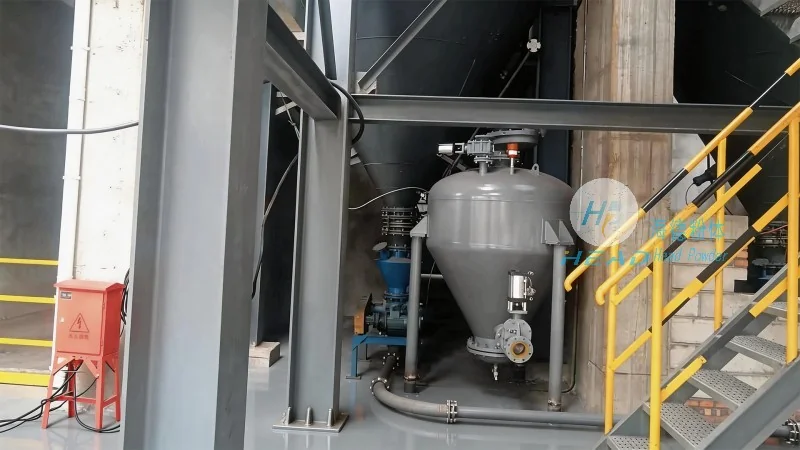
Advantages of Using Fracking Sand Pneumatic Conveying Systems
Fracking sand pneumatic conveying systems offer several advantages over traditional material handling methods. One of the primary benefits is the ability to transport proppant over long distances without the need for intermediate storage or manual handling. This reduces the risk of material loss, contamination, and operator exposure to hazardous materials. The systems are also highly flexible, allowing for easy integration with existing infrastructure and adaptability to different fracturing site requirements. Additionally, the automated operation of these systems minimizes labor costs and reduces the risk of human error, leading to improved safety and efficiency. The high transport capacity and consistent flow rate of the system ensure that the fracturing operation can proceed without interruptions, maximizing the productivity of the well. Furthermore, the closed-loop design of the system reduces environmental impact by minimizing dust emissions and waste disposal.
Maintenance and Troubleshooting of the Pneumatic Conveying System
Maintaining the fracking sand pneumatic conveying system is essential to ensure its long-term reliability and performance. Regular maintenance procedures include inspecting and cleaning the hopper and feeder to prevent material buildup and clogging. The air compressor and pipeline network should be checked for leaks and wear, as these can affect the system's efficiency and pressure levels. The separator in the receiver should be cleaned periodically to maintain its effectiveness in separating proppant from air. Operators should also monitor the system's performance parameters, such as pressure, flow rate, and material level, to detect any anomalies early. Common issues that may arise include clogging of the pipeline, air leaks, or insufficient pressure. These issues can be addressed by adjusting the feeder flow rate, repairing leaks, or increasing the air pressure as needed. Proper maintenance and troubleshooting procedures help to minimize downtime and ensure that the system operates at optimal efficiency throughout its service life.




