Activated carbon pneumatic conveying machines are critical equipment in industrial processes, particularly for the efficient handling and transportation of activated carbon. This article provides a detailed overview of the operation process and working principle of such machines, highlighting their importance in various applications and the technical aspects that ensure optimal performance.
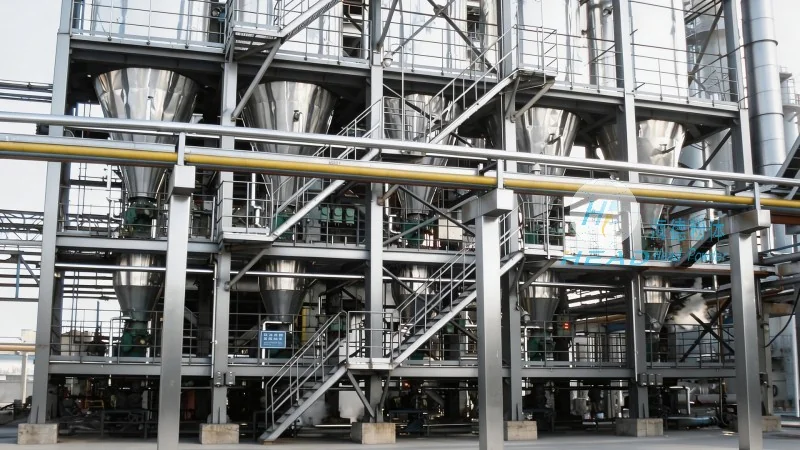
Introduction to Activated Carbon Pneumatic Conveying Machines
Activated carbon, a highly porous material with excellent adsorption properties, is widely used in industries such as water treatment, air purification, and chemical processing. The efficient and reliable transportation of activated carbon from storage to processing units is essential for maintaining production efficiency and product quality. Pneumatic conveying systems offer a solution by using air or other gases to move bulk materials through a pipeline network. Among these systems, activated carbon pneumatic conveying machines are specifically designed to handle the unique characteristics of activated carbon, including its fine particle size and high dust content.
Company Overview: Shandong HeadPowder Engineering Co., Ltd.
HeadPowder, a leading manufacturer in the field of bulk material handling equipment, specializes in the design, manufacturing, and supply of advanced pneumatic conveying systems. With a strong commitment to innovation and quality, the company has established itself as a trusted partner for industries requiring reliable and efficient material transport solutions. HeadPowder's expertise in activated carbon handling has led to the development of specialized equipment that meets the stringent requirements of modern industrial applications.
Working Principle of Activated Carbon Pneumatic Conveying Machines
The core working principle of an activated carbon pneumatic conveying machine involves the use of a pressure or vacuum system to transport activated carbon particles through a pipeline. The system typically consists of a hopper, a feeder, a conveying line, and a receiver. The process begins with the activated carbon being loaded into the hopper. The feeder then controls the flow of material into the conveying line, ensuring a consistent and controlled rate of discharge. Air is then introduced into the system, either by a blower or a vacuum pump, creating a flow that propels the carbon particles through the pipeline. The conveying line is designed with appropriate bends and valves to direct the material to the desired destination, such as a processing unit or storage silo. The receiver at the end of the line collects the carbon, and the air is filtered and recycled to maintain efficiency and environmental compliance.
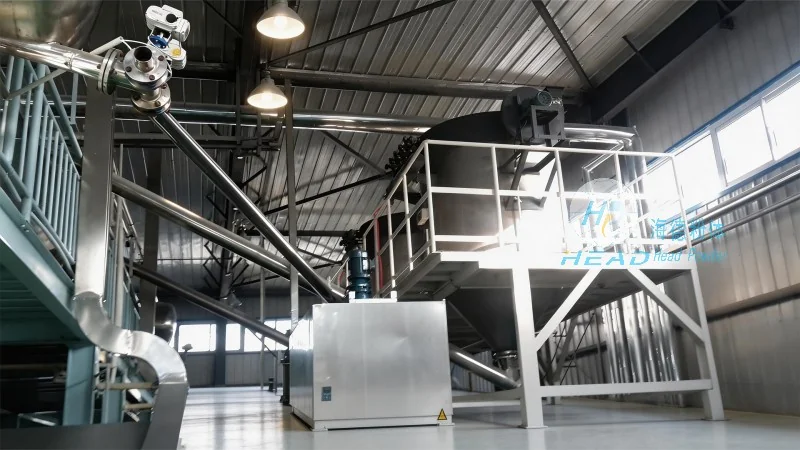
Operation Process of Activated Carbon Pneumatic Conveying Machines
The operation process of an activated carbon pneumatic conveying machine involves several key steps that ensure smooth and continuous material transport. First, the system is prepared by checking the hopper level and ensuring that the feeder and conveying line are clear of obstructions. The air supply is then activated, and the system is primed to establish a stable airflow. Once primed, the activated carbon is fed into the system at a controlled rate. The pressure or vacuum in the system is monitored to maintain optimal conveying conditions. The material is transported through the pipeline, with the air flow maintaining the particle suspension and preventing clogging. At the receiving end, the carbon is deposited into the receiver, and the system is then prepared for the next cycle. The entire process is automated to minimize human intervention and maximize efficiency, with sensors and controls ensuring that the system operates within safe and effective parameters.
Key Components and Their Functions
Several key components work together to ensure the efficient operation of an activated carbon pneumatic conveying machine. The hopper serves as the storage vessel, holding the activated carbon and providing a consistent feed to the feeder. The feeder, often a rotary valve or a screw feeder, regulates the flow rate of the material into the conveying line, preventing overloading and ensuring a steady supply. The conveying line, typically made of stainless steel or other corrosion-resistant materials, is designed to withstand the abrasive nature of activated carbon particles and maintain airtight integrity. The blower or vacuum pump provides the necessary air pressure or vacuum to move the material through the line. The receiver collects the carbon at the end of the line and may include a dust collection system to capture any particles that escape during the process. Valves and bends are strategically placed to control the direction and flow of the material, ensuring that the system can handle changes in direction or elevation without loss of efficiency.
Advantages of Activated Carbon Pneumatic Conveying Machines
Activated carbon pneumatic conveying machines offer several advantages over traditional material handling methods. One of the primary benefits is the ability to transport materials in a closed system, which reduces dust emissions and improves environmental safety. This is particularly important for activated carbon, which can be a respiratory hazard if not handled properly. The closed system also prevents contamination of the material, ensuring that the activated carbon remains pure and effective for its intended use. Additionally, pneumatic conveying systems are highly flexible, allowing for the transport of materials over long distances and through complex layouts. The system can be easily integrated with other processing equipment, such as filters or reactors, to form a complete production line. Another advantage is the energy efficiency of the system, as it uses air as the primary transport medium, which is more economical than mechanical conveying methods. The automated nature of the system reduces labor costs and increases production throughput, making it a cost-effective solution for industrial applications.
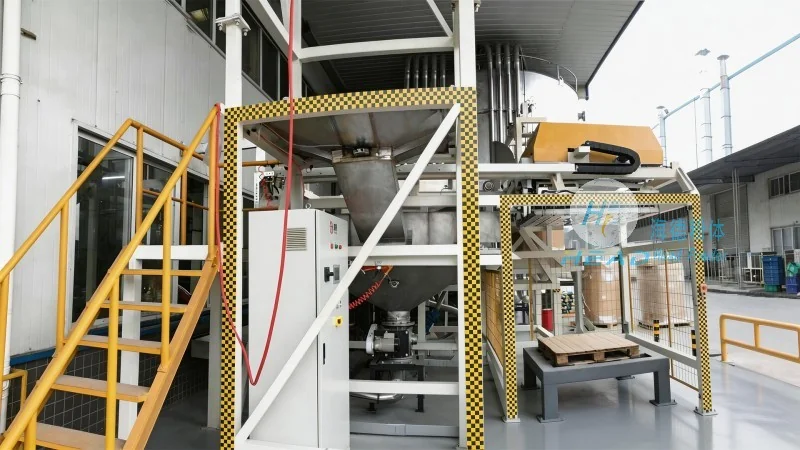
Applications and Industries
Activated carbon pneumatic conveying machines are used in a wide range of industries where activated carbon is a critical component. In the water treatment industry, these machines are used to transport activated carbon to filters and reactors, ensuring that the water treatment process is efficient and effective. In the air purification industry, they are used to move activated carbon to air filters and adsorption units, helping to remove pollutants and odors from the air. The chemical processing industry also utilizes these machines to transport activated carbon to reactors and other processing equipment, where it is used as a catalyst or adsorbent. Additionally, the food and beverage industry may use activated carbon for deodorization and filtration, and pneumatic conveying machines are essential for handling these materials safely and efficiently. The versatility of the system makes it suitable for various applications, from small-scale laboratory use to large-scale industrial production.
Maintenance and Operational Considerations
Proper maintenance is crucial to ensure the long-term performance and reliability of an activated carbon pneumatic conveying machine. Regular inspection of the hopper and feeder is necessary to check for wear and tear, which can affect the flow rate and cause blockages. The conveying line should be inspected for any signs of corrosion or damage, as these can lead to leaks and reduced efficiency. The air filter and dust collection system should be cleaned regularly to prevent clogging and maintain air quality. The blower or vacuum pump should be checked for proper operation, as any issues with the air supply can impact the conveying process. Additionally, the system should be calibrated periodically to ensure that the flow rate and pressure are within the optimal range. Proper training of operators is also essential to ensure that the system is operated correctly and safely. By following these maintenance and operational considerations, the life of the equipment can be extended, and the risk of downtime or accidents can be minimized.
Conclusion
Activated carbon pneumatic conveying machines are essential equipment for the efficient and safe handling of activated carbon in various industrial applications. The working principle and operation process of these machines involve a combination of mechanical and pneumatic components that work together to transport material through a closed system. HeadPowder, with its expertise in bulk material handling, provides high-quality equipment that meets the specific needs of industries requiring reliable and efficient activated carbon transport. By understanding the key components, advantages, and maintenance considerations, users can optimize the performance of their pneumatic conveying systems and ensure that they operate at peak efficiency. The continued development of advanced materials and control systems will further enhance the capabilities of these machines, making them an increasingly important part of modern industrial processes.




