Iron oxide, a critical material in industries such as pigments, ceramics, and steel production, requires efficient and reliable transportation solutions. The gas-pneumatic conveying line, specifically designed for iron oxide, offers a robust system that ensures consistent material handling. This article explores the operation process and working principle of an iron oxide gas-pneumatic conveying line, highlighting its key features and practical applications. The information is presented by Shandong HeadPowder Engineering Co., Ltd., a leading provider of specialized material handling solutions based in China.
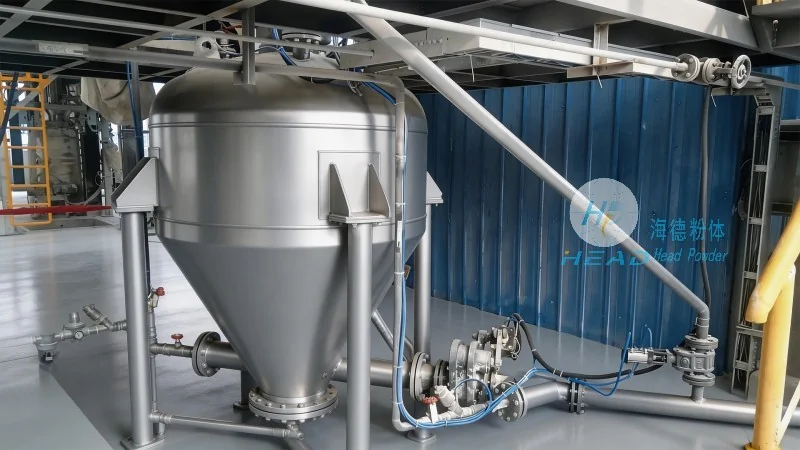
Introduction to Iron Oxide Gas-Pneumatic Conveying
Iron oxide, commonly known as rust or iron(III) oxide, is widely utilized in various industrial sectors. The need for reliable material transport has led to the development of specialized gas-pneumatic conveying systems tailored to the material's properties. These systems are designed to handle iron oxide's density, flow characteristics, and potential dust generation, ensuring minimal loss and maximum operational efficiency.
Key Components of the Conveying Line
The iron oxide gas-pneumatic conveying line comprises several critical components that work in unison. These include the material hopper, which stores iron oxide, the air compressor that generates compressed air, the conveying pipes for material transport, and control valves to regulate flow. Each component is essential for maintaining system stability and performance.
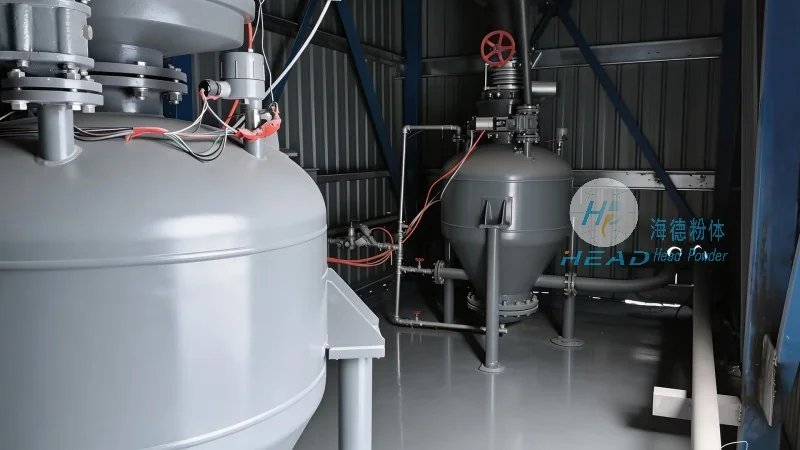
Operation Process
The operation process begins with loading iron oxide into the material hopper. The hopper features a feeding mechanism that controls the material's entry into the conveying line. Simultaneously, the air compressor activates, producing compressed air that enters the conveying pipes. As compressed air flows through the pipes, it creates a low-pressure zone, drawing iron oxide particles into the system. The material is then carried along the pipes by the air flow, moving from the hopper to the discharge point.
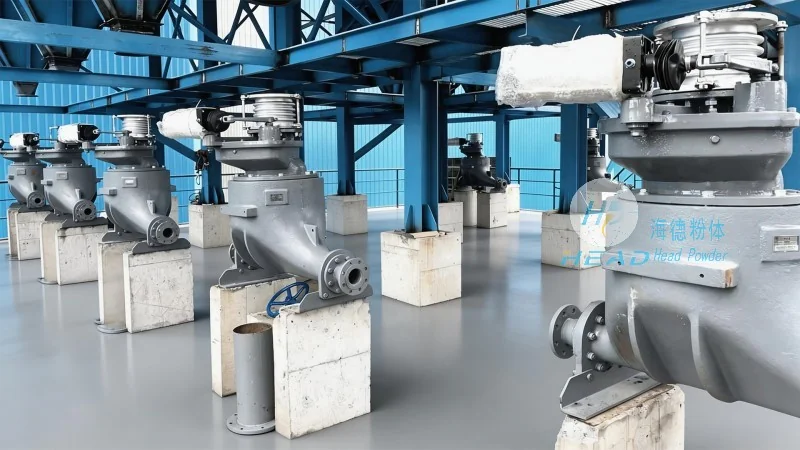
Working Principle
The system operates on principles of fluid dynamics and particle transport. Compressed air provides kinetic energy to lift and transport iron oxide particles. The air flow generates a drag force on particles, allowing them to be carried through the pipes. Pressure differential between the inlet and outlet ensures continuous flow, while control valves regulate air pressure and flow rate for optimal conditions. This mechanism minimizes material degradation and ensures consistent delivery.
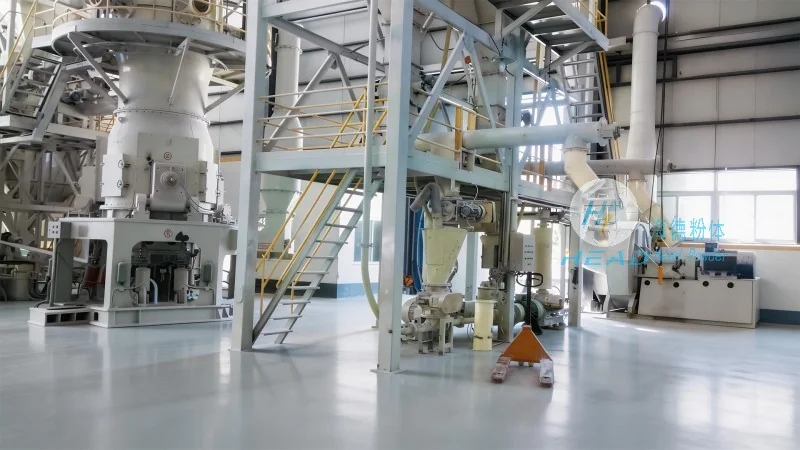
Advantages of the System
The gas-pneumatic conveying line offers several benefits over traditional methods. It reduces labor costs through minimal human intervention and enhances safety by eliminating manual handling of iron oxide. Better control over material flow minimizes blockages and ensures consistent product quality. The compact design allows easy integration into existing production facilities, making it a versatile solution for diverse industrial applications.
Conclusion
In summary, the iron oxide gas-pneumatic conveying line is an efficient and reliable system for transporting iron oxide. Its operation process, involving controlled feeding and compressed air transport, ensures minimal loss and high productivity. The working principle, based on fluid dynamics, provides stable and consistent material flow. As a result, this system is a key component in many industrial processes, contributing to improved operational efficiency and product quality. Shandong HeadPowder Engineering Co., Ltd. specializes in providing such advanced material handling solutions, serving clients with expertise and tailored systems.




