Alumina powder pneumatic conveying lines are critical components in industrial processing, particularly in the aluminum production sector. These systems efficiently transport fine alumina particles from storage silos to processing units, ensuring smooth material flow and operational efficiency. The following content provides a detailed overview of the operation process and working principles of such systems, highlighting the key technologies and components involved.
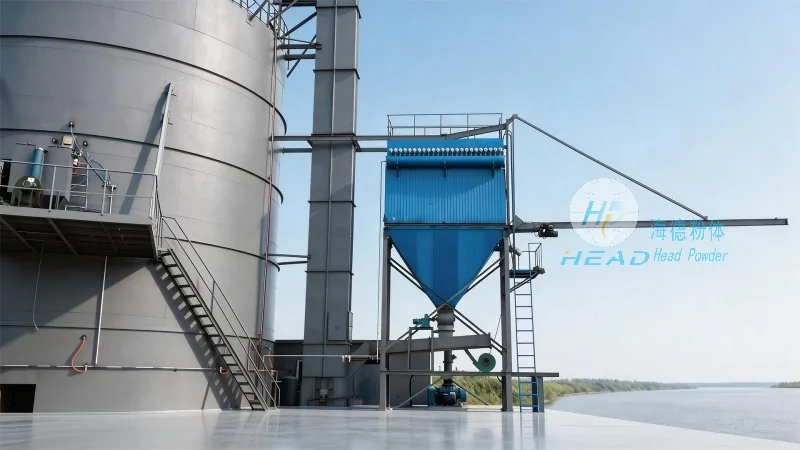
Company Overview: HeadPowder Engineering
HeadPowder Engineering, also known as Shandong HeadPowder Engineering Co., Ltd., is a leading manufacturer specializing in pneumatic conveying solutions. With headquarters in Shandong, China, the company has established itself as a trusted provider of advanced material handling systems for various industries, including aluminum production. HeadPowder's expertise lies in designing and manufacturing customized pneumatic conveying lines that meet the specific requirements of clients, ensuring reliability, durability, and optimal performance.
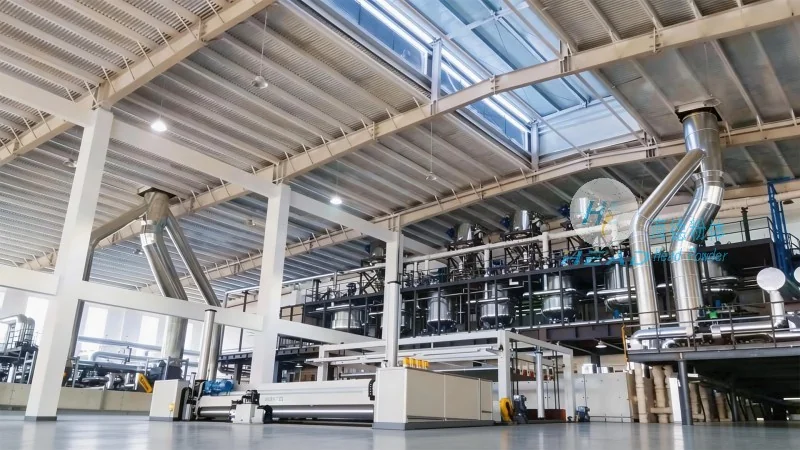
Working Principle of Pneumatic Conveying Systems
The core of an alumina powder pneumatic conveying line is the air flow mechanism that propels the powder particles through a pipeline. The system typically operates on the principle of creating a pressure differential between the material feed point and the discharge point. By injecting compressed air into the conveying line, the system generates a flow that entrains the alumina powder, transporting it from the source to the destination. This process relies on the interaction between the air velocity and the particle size, density, and moisture content of the alumina powder. The design of the conveying line, including the type of air nozzles, pipeline diameter, and bends, is crucial for maintaining consistent flow and preventing particle degradation or blockages.
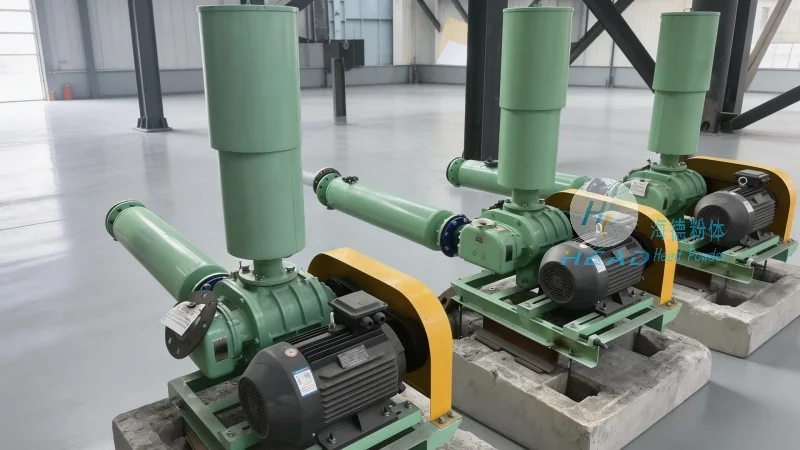
Key Components and Their Functions
Several critical components work together to ensure the smooth operation of an alumina powder pneumatic conveying line. These include: 1. Feed Hopper: A container that stores the alumina powder and regulates the flow of material into the conveying line. The hopper is equipped with a feeder, such as a rotary valve or a screw feeder, which controls the discharge rate. 2. Air Compressor: Provides the necessary compressed air to generate the conveying pressure. The compressor must be capable of delivering sufficient airflow and pressure to handle the volume and characteristics of the alumina powder. 3. Conveying Pipeline: The main channel through which the powder and air mixture travels. The pipeline is typically made of materials like stainless steel or plastic, chosen for their resistance to corrosion and wear from the alumina particles. 4. Receiver or Discharge Hopper: The final container where the alumina powder is deposited after being conveyed. This hopper may include a dust collection system to capture any particles that escape during the process. 5. Control System: Monitors and regulates the operation of the entire system, including air pressure, flow rate, and material level. The control system ensures that the conveying process is optimized and that any deviations are detected and corrected promptly.
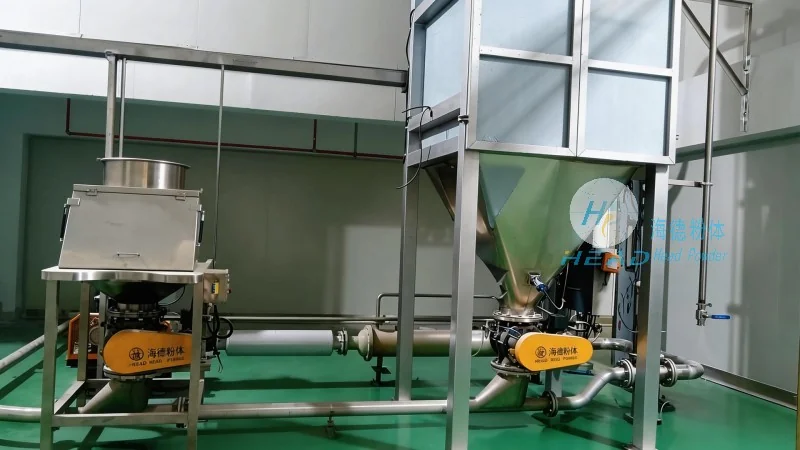
Operation Process of Alumina Powder Pneumatic Conveying
The operation process of an alumina powder pneumatic conveying line involves several sequential steps: 1. Material Loading: The alumina powder is loaded into the feed hopper from a storage silo or bulk container. The hopper is designed to prevent material bridging or caking, which could disrupt the flow. 2. Feeder Operation: The rotary valve or screw feeder in the hopper starts to discharge the powder at a controlled rate. The feeder is synchronized with the air compressor to ensure that the material is continuously fed into the pipeline. 3. Air Injection: The air compressor supplies compressed air to the conveying line. The air is introduced at the feed point, creating a high-velocity flow that entrains the alumina particles. 4. Conveying: The powder-air mixture travels through the pipeline, with the air velocity maintaining the particles in suspension. The pipeline may include bends, expansions, or contractions, which are designed to minimize pressure loss and prevent particle separation. 5. Discharge: At the receiving end, the mixture enters the discharge hopper. The air is separated from the powder, often using a cyclone or filter system, and the purified air is vented back to the atmosphere or recirculated. The alumina powder is collected in the hopper, ready for further processing. 6. System Monitoring: The control system continuously monitors key parameters, such as air pressure, flow rate, and material level. Any adjustments are made automatically to maintain optimal operation, ensuring that the conveying process remains efficient and reliable.




