Operation Process and Working Principle of Graphite Pneumatic Conveying Equipment
Release time:2026-09-20 07:01:37
name of the company:Shandong Headpowder Engineering Co., Ltd.
telephone:156-6277-7102
contacts:Zhang manager
Graphite is a widely used material in various industrial applications due to its excellent thermal conductivity, electrical conductivity, and chemical resistance. The efficient transportation of graphite powder or granules is crucial for many production processes. Pneumatic conveying systems offer a reliable and effective solution for handling graphite materials, ensuring minimal product degradation and maintaining high purity. This article provides an overview of the operation process and working principle of graphite pneumatic conveying equipment, highlighting the key components and the step-by-step procedure involved in its operation.
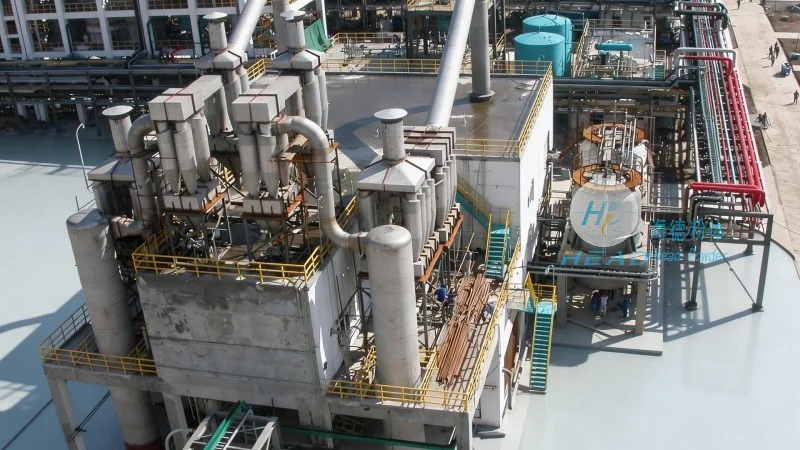
Key Components of Graphite Pneumatic Conveying Systems
Before delving into the operation process, it is essential to understand the primary components that make up a typical graphite pneumatic conveying system. These components work in synergy to ensure the smooth and safe transport of graphite material. The main components include:
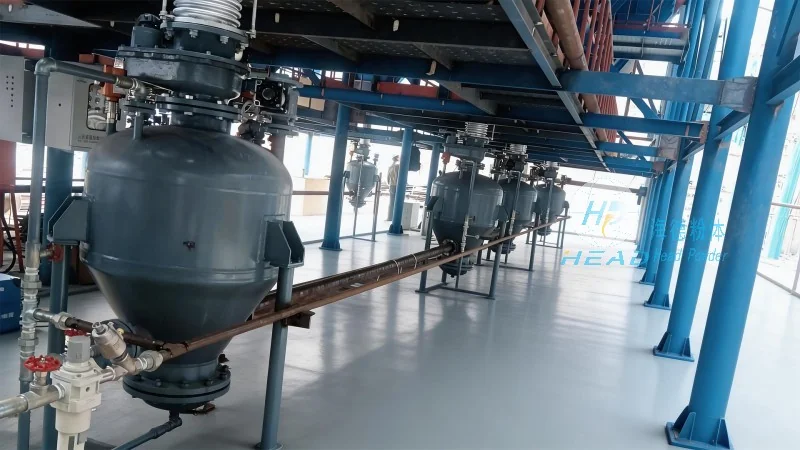
- Feeder: The feeder is responsible for feeding the graphite material into the conveying line. It ensures a consistent and controlled flow of the material, preventing blockages and maintaining the desired conveying rate.
- Pneumatic Conveying Line: This is the core part of the system where the graphite material is transported through the use of compressed air or gas. The line is typically made of materials resistant to graphite's chemical properties, such as stainless steel or special plastics.
- Compressor or Blower: The compressor or blower generates the necessary air pressure to move the graphite particles through the conveying line. The choice of equipment depends on the material's characteristics, such as particle size, density, and moisture content.
- Separation and Collection System: This component is used to separate the graphite material from the air stream at the end of the conveying line. It typically includes a cyclone separator or a filter system to collect the material and return the air to the system or release it safely.
- Control System: The control system monitors and regulates the operation of the entire system, ensuring optimal performance and safety. It includes sensors for pressure, flow, and temperature, as well as control valves and switches.
The Working Principle of Graphite Pneumatic Conveying
The working principle of a graphite pneumatic conveying system is based on the principle of fluidization and suspension. The process involves the following steps:
- Material Feeding: The graphite material is fed into the feeder at a controlled rate. The feeder ensures that the material is introduced into the conveying line without any blockages or uneven flow.
- Air Injection: Compressed air or gas is injected into the conveying line at a specific pressure and flow rate. The air creates a flow that lifts and suspends the graphite particles, allowing them to be transported through the line.
- Transportation: The suspended graphite particles are carried along the conveying line by the air stream. The velocity of the air is maintained at a level that prevents particle deposition and ensures efficient transport.
- Separation and Collection: At the end of the conveying line, the air and graphite particles are separated. The cyclone separator or filter system collects the graphite material, which is then discharged into a collection bin or storage container. The air is either recycled back into the system or released to the atmosphere after being filtered.
Operation Process of Graphite Pneumatic Conveying Equipment
The operation process of graphite pneumatic conveying equipment involves several key steps that ensure the system runs efficiently and safely. The following is a detailed breakdown of the operation process:
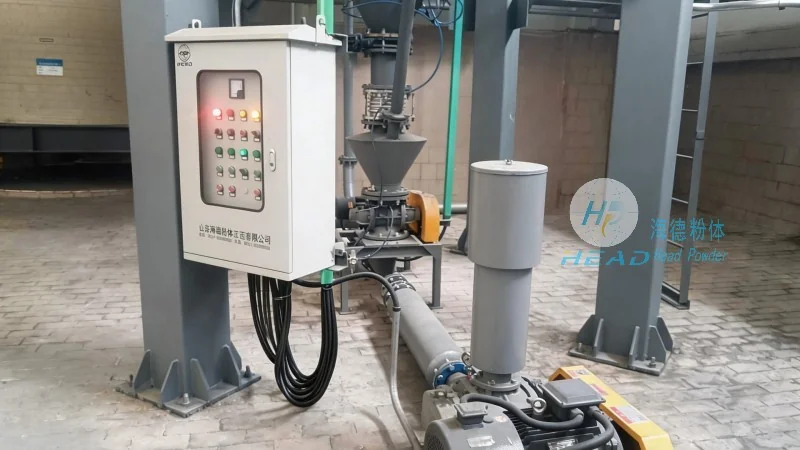
- System Preparation: Before starting the operation, the system is prepared by checking all components for proper functioning. The feeder is loaded with the required amount of graphite material, and the air compressor or blower is started to build up the necessary pressure.
- Start-up: The control system is activated, and the feeder starts feeding the graphite material into the conveying line. The air compressor maintains the required pressure, and the air flow is adjusted to achieve the desired conveying rate.
- Conveying: As the material is fed and the air is injected, the graphite particles are suspended and transported through the conveying line. The system monitors the pressure and flow rates to ensure optimal performance.
- Monitoring and Adjustment: During operation, the control system continuously monitors the pressure, flow, and temperature. If any abnormalities are detected, the system adjusts the air flow or feeding rate to maintain stable operation.
- Shutdown: When the conveying process is complete, the control system is deactivated, and the feeder stops feeding. The air compressor is then turned off, and the system is allowed to cool down before maintenance or cleaning.
Benefits of Using Graphite Pneumatic Conveying Equipment
Graphite pneumatic conveying equipment offers several advantages over traditional methods of material handling. Some of the key benefits include:




