For industries dealing with magnesium hydroxide, efficient material handling is crucial for maintaining production efficiency and safety. Pneumatic conveying systems have emerged as a reliable solution, offering a dust-free, low-cost method for transporting bulk materials like magnesium hydroxide. This article explores the fundamental principles behind magnesium hydroxide material pneumatic conveying lines and highlights key working scene characteristics that make them suitable for various industrial applications.
Understanding the Core Principle of Pneumatic Conveying
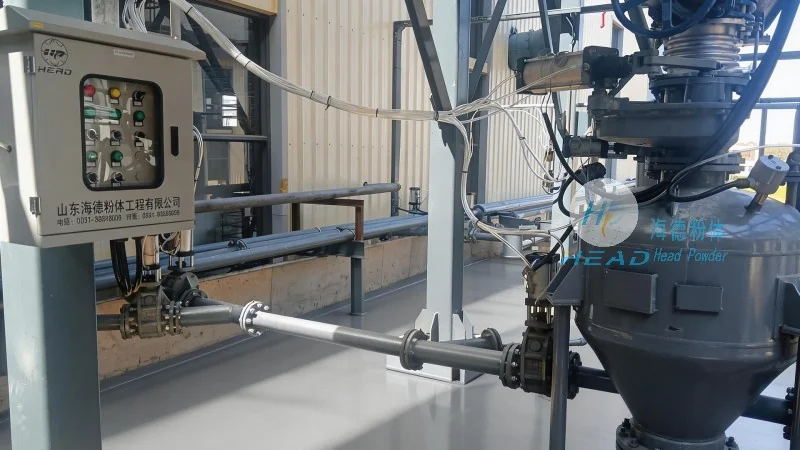
The pneumatic conveying line for magnesium hydroxide operates on the principle of using compressed air to transport dry bulk materials through a pipeline. This method, known as pneumatic conveying, relies on the creation of a low-pressure zone within the pipeline to draw material into the system. The process typically involves a hopper where magnesium hydroxide is stored, a feeder that controls the material flow, a pipeline network that transports the material, and a receiver where the material is deposited. Compressed air is introduced at one end of the pipeline, creating a pressure differential that propels the material forward. The air and material mixture travels through the pipeline, with the air providing the necessary force to move the particles while maintaining a consistent flow rate. This principle ensures that magnesium hydroxide can be transported without the need for mechanical components like belts or buckets, reducing maintenance requirements and operational costs.
Key Working Scene Characteristics of Magnesium Hydroxide Pneumatic Conveying Lines
When considering the application of magnesium hydroxide pneumatic conveying lines, several working scene characteristics are critical for optimizing performance and ensuring safety. First, the system's design must accommodate the physical properties of magnesium hydroxide, such as its particle size, density, and flowability. These characteristics influence the selection of feeder type, pipeline diameter, and air pressure required for efficient transport. For example, fine magnesium hydroxide particles may require higher air velocities to prevent clogging, while larger particles might need a different pipeline configuration to maintain consistent flow. Additionally, the system's layout must consider the distance and elevation changes between the source and destination points. Horizontal and vertical distances affect the air pressure and energy consumption, with longer or higher elevations requiring more powerful compressors and higher air pressure to overcome resistance. Environmental factors, such as temperature and humidity, also play a role, as they can impact the material's moisture content and flow characteristics, potentially leading to blockages or reduced conveying efficiency. Safety considerations are paramount in industrial settings, and pneumatic conveying systems for magnesium hydroxide must incorporate features like explosion-proof designs and dust suppression mechanisms to prevent accidents and ensure compliance with occupational health and safety regulations.
Application Scenarios and Industry Integration
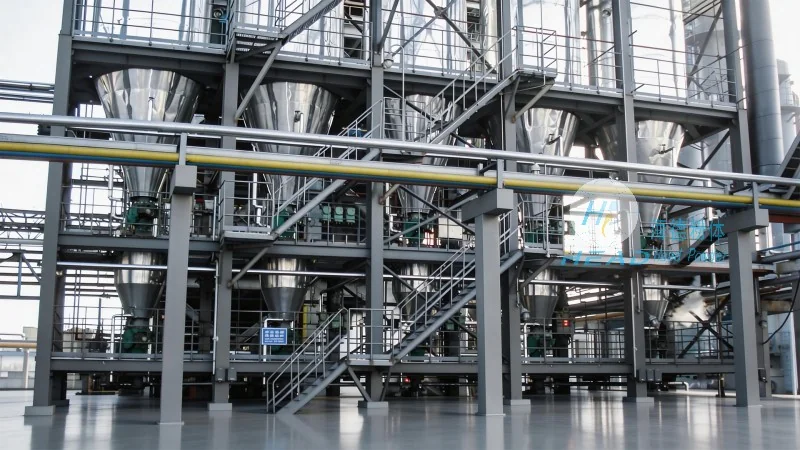
Magnesium hydroxide material pneumatic conveying lines are widely used in various industrial sectors, including chemical manufacturing, pharmaceuticals, and food processing. In the chemical industry, these systems are commonly employed in the production of magnesium hydroxide-based products, where consistent material transport is essential for maintaining product quality and batch consistency. The pharmaceutical industry benefits from the dust-free nature of pneumatic conveying, which helps in maintaining sterile conditions and preventing contamination of sensitive materials. Similarly, in food processing, the system's ability to handle bulk materials without direct human contact ensures compliance with hygiene standards. The versatility of pneumatic conveying lines allows them to be integrated into existing production lines or used as standalone systems, depending on the specific requirements of the application. Companies like Shandong HeadPowder Engineering Co., Ltd., based in China, specialize in designing and manufacturing customized pneumatic conveying solutions tailored to the unique needs of magnesium hydroxide handling. Their expertise in material handling technology ensures that the systems are optimized for efficiency, reliability, and safety, meeting the demands of modern industrial operations.
Advantages and Considerations for Magnesium Hydroxide Pneumatic Conveying
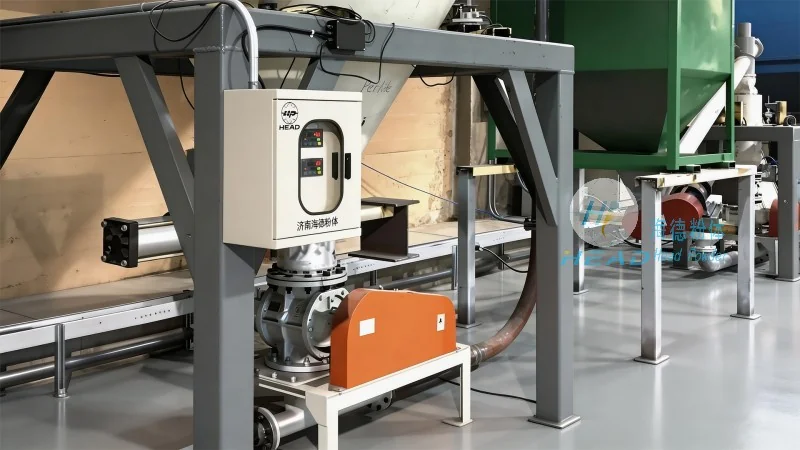
Compared to traditional mechanical conveying methods, magnesium hydroxide pneumatic conveying lines offer several advantages that make them a preferred choice for many industries. One of the primary benefits is the elimination of dust and contamination, as the material is enclosed within the pipeline. This not only improves workplace safety but also maintains the purity of the magnesium hydroxide, which is critical for applications where quality is paramount. The system's flexibility in terms of layout and integration allows for easy adaptation to existing facilities, reducing installation time and costs. Additionally, pneumatic conveying systems are generally more energy-efficient than mechanical systems, as they can transport materials over longer distances with less power consumption. However, there are also considerations to keep in mind when implementing such systems. The initial investment cost can be higher due to the need for compressors and pipeline infrastructure. Moreover, the system's performance is highly dependent on the proper maintenance of air filters and pipeline cleanliness to prevent blockages and ensure consistent flow. Regular maintenance, including cleaning and inspecting components, is essential to maximize the system's lifespan and operational efficiency.
Conclusion and Future Outlook
In conclusion, magnesium hydroxide material pneumatic conveying lines represent a sophisticated and efficient solution for bulk material handling in various industrial applications. The principles behind these systems, combined with their working scene characteristics, make them a reliable choice for transporting magnesium hydroxide while maintaining safety and quality standards. Companies like Shandong HeadPowder Engineering Co., Ltd. play a vital role in providing customized solutions that cater to the specific needs of industries dealing with magnesium hydroxide. As technology advances, further improvements in pneumatic conveying systems are expected, potentially leading to even more efficient and sustainable material handling solutions. The continued development and application of these systems will undoubtedly contribute to the growth and efficiency of industries that rely on magnesium hydroxide as a key component.




