Principle and Working Scene Characteristics of Coffee Powder Material Pneumatic Conveying Line
Release time:2026-09-20 01:01:35
name of the company:Shandong Headpowder Engineering Co., Ltd.
telephone:156-6277-7102
contacts:Zhang manager
Shandong HeadPowder Engineering Co., Ltd., commonly known as HeadPowder, specializes in the design and manufacturing of advanced pneumatic conveying systems tailored for handling coffee powder and similar fine particulate materials. Based in Shandong, China, the company leverages decades of industry experience to deliver efficient, reliable solutions that meet the stringent requirements of coffee processing facilities worldwide.
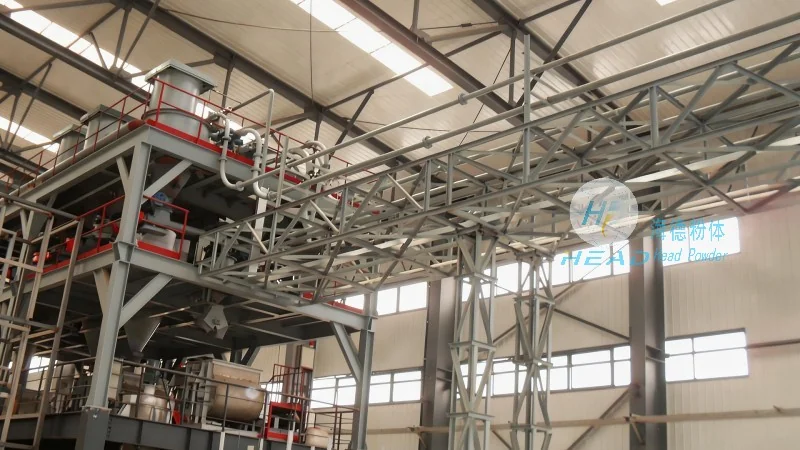
Principle of Pneumatic Conveying for Coffee Powder
The core principle of a coffee powder pneumatic conveying line involves the use of compressed air or other gas to transport bulk materials through a pipeline network. In this system, coffee powder is introduced into a hopper or feeder, where it is then drawn into the conveying line by the pressure differential created by the moving air. The air acts as a carrier, suspending the coffee powder particles and propelling them through the pipeline to the destination point, such as a storage silo, packaging line, or processing unit. This method eliminates the need for mechanical components like belts or buckets, reducing maintenance costs and minimizing product contamination. The system operates on the principle of fluidization, where the coffee powder behaves like a fluid under the influence of the air flow, ensuring smooth and continuous transport.
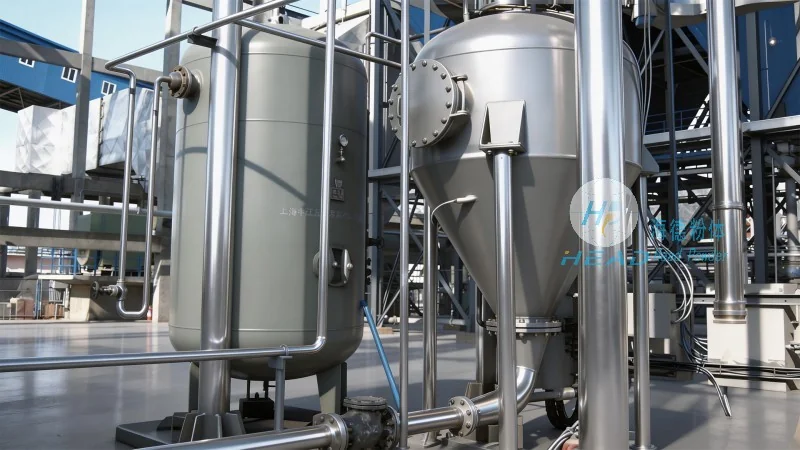
Key Working Scene Characteristics
The working scene characteristics of coffee powder pneumatic conveying systems are tailored to the unique properties of coffee powder, including its fine particle size, hygroscopic nature, and susceptibility to degradation. These characteristics influence the design and operation of the system in several ways:
- Low Pressure Operation: Due to the high pressure sensitivity of coffee powder, most systems operate at low air pressure (typically 0.5 to 2 bar) to prevent particle damage and maintain product quality. This also reduces energy consumption and operational costs.
- Prevention of Caking and Agglomeration: The design incorporates features like air classifiers and cyclone separators to prevent coffee powder from caking or agglomerating during transport. These components ensure that the powder remains in a free-flowing state, maintaining consistent flow rates and preventing blockages in the pipeline.
- Temperature Control: To preserve the aroma and flavor of coffee powder, the conveying system often includes temperature-controlled sections. This prevents heat buildup, which can cause flavor loss or product degradation, especially during long-distance transport.
- Hygienic Design: The system is constructed with materials that are easy to clean and maintain, such as stainless steel, to meet the stringent hygiene standards required in food processing environments. This ensures that the coffee powder remains free from contaminants and maintains its quality throughout the conveying process.
Application Scenarios and Benefits
HeadPowder's coffee powder pneumatic conveying lines are widely used in various coffee processing applications, including:
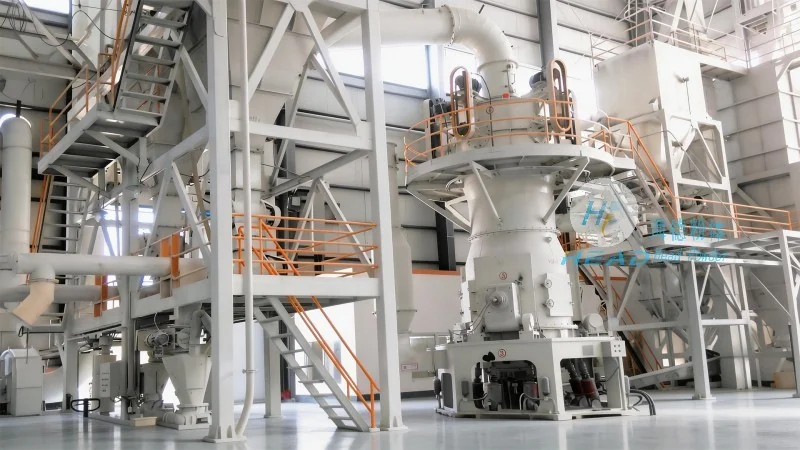
- From Roasting to Packaging: After coffee beans are roasted, the ground coffee powder is conveyed from the roasting machine to a storage silo or directly to the packaging line. The system ensures that the powder is transported efficiently without any loss or contamination.
- Batch Processing and Mixing: In coffee blending operations, different types of coffee powders are conveyed into a mixing tank for combining flavors. The precise control of flow rates allows for accurate blending, ensuring consistent product quality.
- Storage and Distribution: The system can transport coffee powder from production facilities to storage warehouses or distribution centers, enabling efficient inventory management and timely delivery to customers.
The benefits of using a pneumatic conveying system for coffee powder include improved product quality, reduced labor costs, enhanced safety (as there are no moving parts in direct contact with the product), and increased operational efficiency. By eliminating manual handling and mechanical transport methods, the system minimizes the risk of product damage and contamination, resulting in higher customer satisfaction and better brand reputation.




