Desulfurization fly ash, a byproduct from flue gas desulfurization processes in thermal power plants and industrial facilities, requires efficient and reliable handling systems to ensure proper disposal or reuse. The pneumatic conveying machine for desulfurization fly ash is a specialized equipment designed to transport this material through a pipeline system using air or gas as the conveying medium. This technology offers a dust-free, low-cost, and flexible solution for handling fly ash, which is crucial for maintaining environmental compliance and operational efficiency in power generation and industrial sectors.
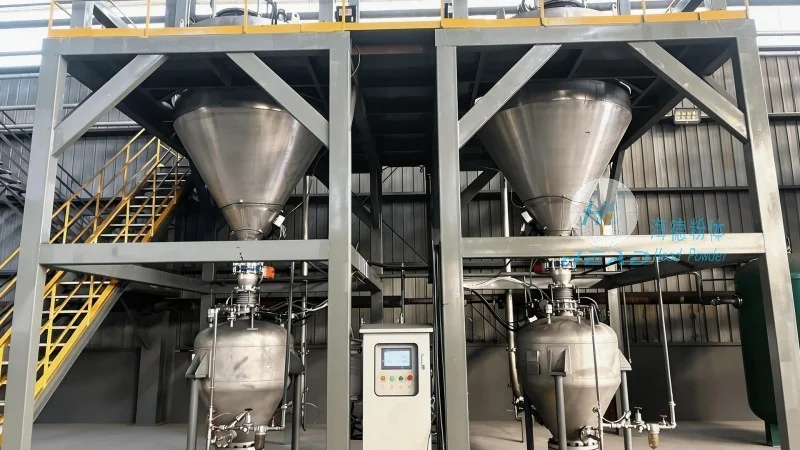
Principle of Pneumatic Conveying for Desulfurization Fly Ash
The core principle of the pneumatic conveying system for desulfurization fly ash involves the use of a pressure or vacuum source to move the fly ash particles through a pipeline. The system typically consists of a hopper, a feeder, a conveying pipeline, and a receiver. The hopper stores the fly ash, and the feeder controls the flow rate of the material into the pipeline. The conveying medium, usually air, is introduced into the pipeline either by a positive pressure blower or a vacuum pump. As the air flows through the pipeline, it entrains the fly ash particles, creating a slurry-like mixture that is transported to the destination. The receiver then separates the fly ash from the air, allowing for the material to be deposited or further processed. This process eliminates the need for mechanical components like belts or buckets, reducing maintenance and operational costs while ensuring a dust-free environment.
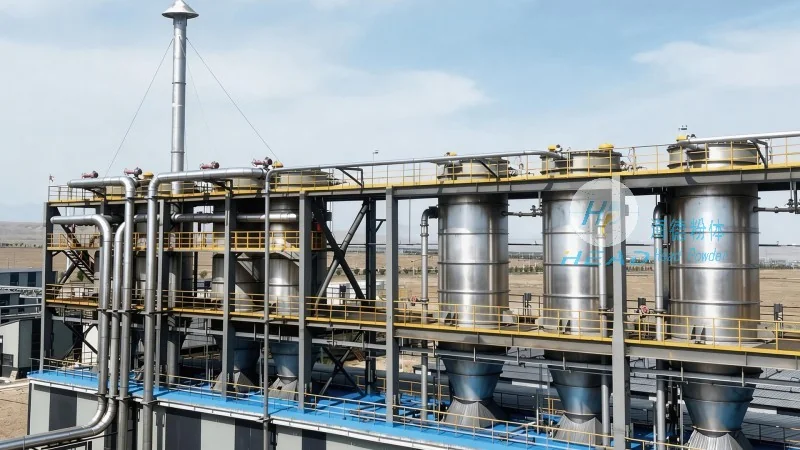
Working Scene Characteristics of Desulfurization Fly Ash Pneumatic Conveying Systems
The application scenarios of desulfurization fly ash pneumatic conveying systems are diverse and tailored to the specific needs of industrial facilities. These systems are commonly used in thermal power plants, where large volumes of fly ash are generated and require transport to storage or disposal sites. The flexibility of pneumatic conveying allows for the integration of multiple conveying lines from different boiler units or ash handling areas, enabling efficient material distribution. In industrial settings, such as chemical plants or cement production facilities, the system can be used to transport fly ash as a raw material for cement production or other industrial processes. The key characteristics of these working scenes include high conveying capacity, which can range from several tons per hour to tens of tons per hour, depending on the system design. The systems are also designed to handle the abrasive nature of fly ash, with materials like stainless steel or special alloys used for the pipeline and components to ensure durability and longevity. Additionally, the systems are equipped with dust control measures, such as cyclone separators and filtration systems, to meet environmental regulations and maintain a safe working environment for personnel.
Advantages and Considerations for Implementing Desulfurization Fly Ash Pneumatic Conveying Systems
Implementing a pneumatic conveying system for desulfurization fly ash offers several advantages over traditional mechanical conveying methods. The primary benefit is the elimination of dust and the associated health and safety risks, as the material is contained within the pipeline during transport. This reduces the need for personal protective equipment and improves overall workplace safety. Another significant advantage is the lower operational cost, as pneumatic systems require less maintenance and have lower energy consumption compared to mechanical systems. The flexibility of the system allows for easy integration with existing infrastructure, reducing installation time and costs. However, there are also considerations to keep in mind when selecting a pneumatic conveying system for fly ash. The system design must account for the specific properties of the fly ash, including its particle size, moisture content, and abrasiveness, to ensure optimal performance. The selection of the conveying medium (air or gas) and the pressure or vacuum level is critical to achieving efficient transport without excessive energy consumption. Furthermore, the system must comply with local environmental regulations regarding dust emissions and noise levels, which may require additional filtration and noise reduction measures.
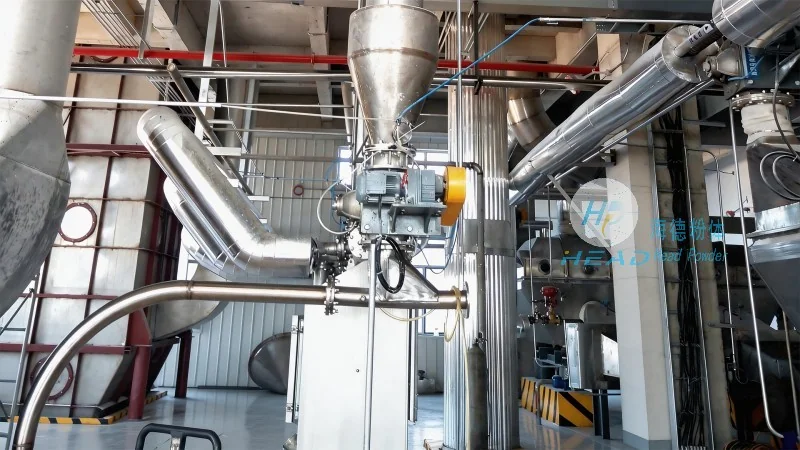
About Shandong HeadPowder Engineering Co., Ltd.
Shandong HeadPowder Engineering Co., Ltd., commonly known as headpowder, is a leading manufacturer and supplier of specialized engineering equipment for material handling and processing. With a focus on innovation and quality, the company has developed advanced pneumatic conveying systems tailored to the needs of the power and industrial sectors. Headpowder's expertise lies in designing and manufacturing equipment that meets the highest standards of efficiency, reliability, and environmental compliance. The company's products are widely used in thermal power plants, cement factories, and other industrial facilities, providing solutions for the handling of various materials, including desulfurization fly ash. Headpowder's commitment to customer satisfaction and technical excellence has established it as a trusted partner in the industry, delivering reliable and efficient solutions for material transport and processing needs.




