For industrial applications, especially in the fertilizer sector, efficient and reliable material handling is crucial. The pneumatic conveying line for fertilizer materials, a key equipment in material transport systems, offers advanced solutions to meet these demands. This article explores the fundamental principles of such systems and highlights the specific characteristics of their working environments.
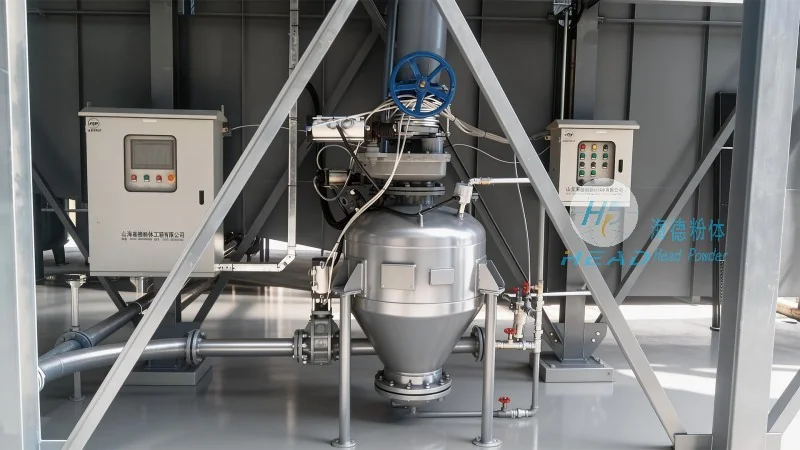
Introduction to Pneumatic Conveying Systems for Fertilizer Materials
Pneumatic conveying, or air conveying, is a method of transporting bulk solid materials through a pipeline using a stream of air. In fertilizer processing, this technology is widely adopted due to its ability to handle various types of granular or powdered fertilizers with minimal product degradation. The core principle involves creating a pressure differential within the pipeline, either by suction (negative pressure) or pressure (positive pressure), to move the material from the source to the destination.
Key Working Scene Characteristics of Fertilizer Pneumatic Conveying Lines
The operational environment of fertilizer pneumatic conveying lines is characterized by several distinct features that influence their design and performance. Firstly, the material properties play a significant role. Fertilizers can range from fine powders to coarse granules, each requiring tailored system configurations to ensure smooth transport. For instance, fine powders may need higher air velocities and specialized nozzles to prevent clogging, while granular materials can be handled with lower air speeds, reducing energy consumption.
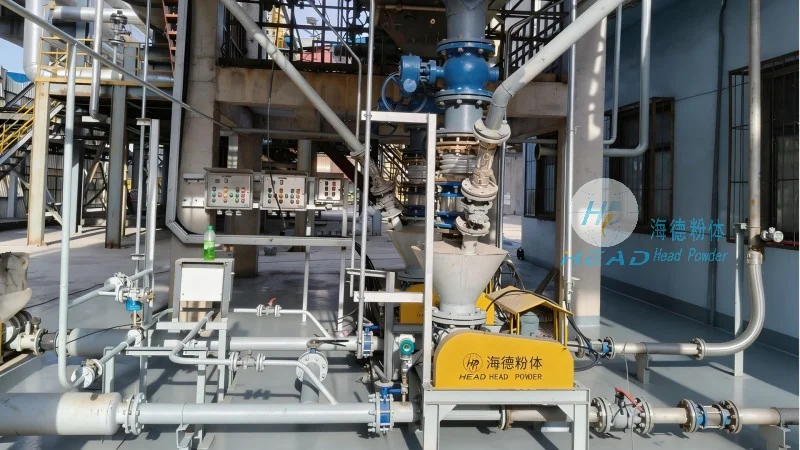
Secondly, the scale and layout of the fertilizer production facility impact the system design. Large-scale operations often require multi-stage or complex networked conveying systems to transport materials over long distances or between multiple processing units. This may involve vertical lifts, horizontal runs, and even horizontal-to-vertical transitions, all of which must be integrated seamlessly to maintain system efficiency.
Thirdly, the need for hygiene and product purity is paramount in fertilizer handling. Pneumatic conveying systems are designed to minimize product contact with the environment, reducing the risk of contamination. This is achieved through closed pipelines, proper sealing of connections, and the use of materials that are resistant to corrosion and wear, ensuring that the fertilizer remains in its original state throughout the transport process.
Efficiency and Reliability in Fertilizer Material Handling
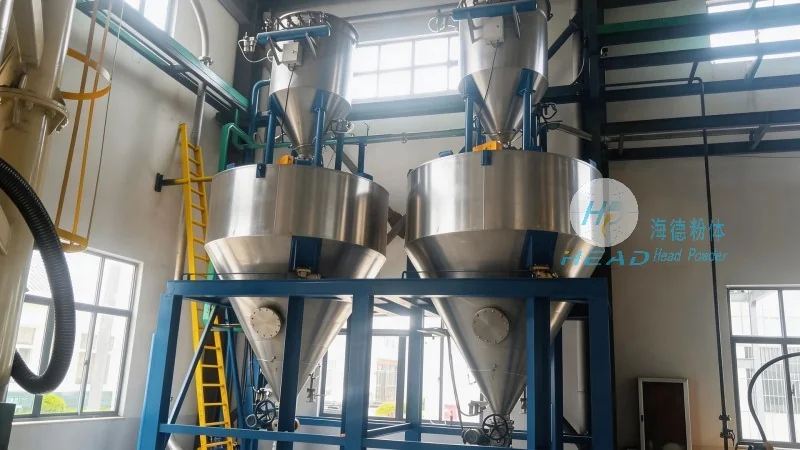
The effectiveness of a fertilizer pneumatic conveying line is measured by its ability to deliver materials consistently and with minimal downtime. Advanced systems incorporate features such as variable speed drives, which adjust air flow based on the material load, optimizing energy use and preventing system overload. Additionally, monitoring systems are often integrated to track pressure, flow rates, and material levels in real-time, allowing for immediate adjustments and predictive maintenance to avoid breakdowns.
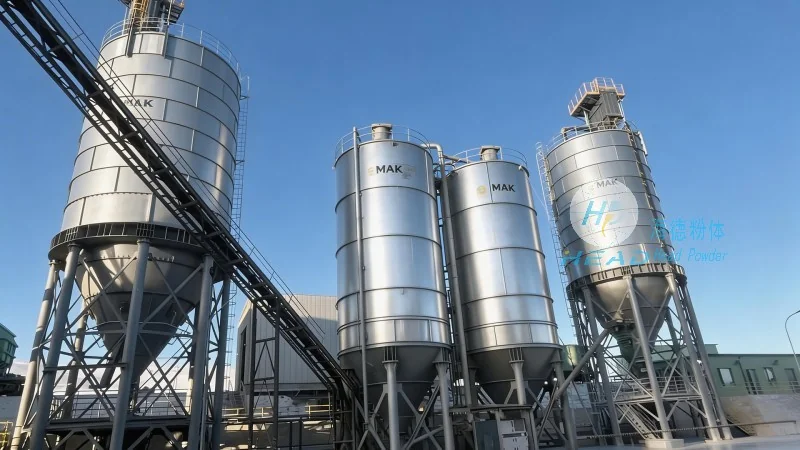
Another critical aspect is the system's adaptability to different fertilizer types and processing stages. Whether transporting raw materials from storage silos to mixing equipment, or finished products from packaging lines to storage, the conveying line must be versatile enough to handle varying material characteristics and flow rates. This flexibility is essential for maintaining production continuity and meeting changing production demands.
Conclusion and Company Overview
In summary, fertilizer material pneumatic conveying lines are sophisticated systems that combine engineering principles with practical application to deliver efficient, reliable, and hygienic material transport solutions. The working scene characteristics, including material diversity, facility scale, and hygiene requirements, necessitate careful system design and implementation. As a leading provider in this field, Shandong HeadPowder Engineering Co., Ltd. specializes in developing customized pneumatic conveying solutions tailored to the unique needs of fertilizer manufacturers, ensuring optimal performance and operational efficiency.




