Small bag material pneumatic conveying systems represent a sophisticated method for transporting bulk materials from bagged containers to processing or storage areas. These systems are widely utilized across various industries, including chemical, food, pharmaceutical, and agricultural sectors, where efficient and hygienic material handling is critical. The technology leverages compressed air to move powders, granules, or fine particles, offering a flexible and automated solution that minimizes manual labor and reduces the risk of contamination.
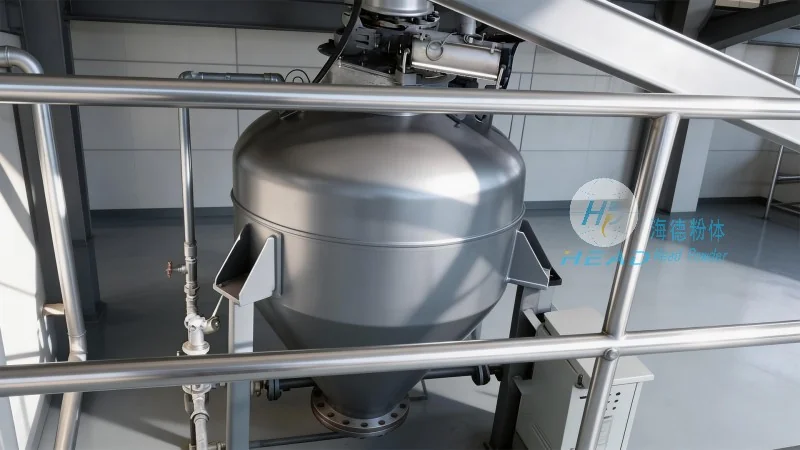
Working Principle of Pneumatic Conveying Systems for Small Bag Materials
The core principle of small bag material pneumatic conveying involves the use of air pressure to create a flow that carries the material through a network of pipes. Typically, the process begins with an air-powered feeder that draws material from a bag or hopper and introduces it into the conveying line. Compressed air, often supplied by a dedicated air compressor, then propels the material forward through the system. The system may operate in either suction (or vacuum) mode, where air is drawn to pull material from the source, or in pressure mode, where air is forced to push material through the line. Key components include a material feeder, conveying ducts, a separation unit, and a dust collector to ensure clean air discharge.
Key Components and Their Functions
Several critical components work in tandem to ensure the efficient operation of small bag material pneumatic conveying systems. The material feeder, such as a rotary valve or vibratory feeder, is responsible for reliably discharging material from the bag into the conveying line. The conveying ducts, usually made of stainless steel or high-density polyethylene (HDPE) to resist corrosion and maintain hygiene, transport the material and air mixture. A separation unit, often a cyclone or bag filter, separates the material from the air stream, allowing the material to be deposited at the destination while the air is filtered and discharged. Finally, a dust collector or air filter ensures that the exhaust air is clean, meeting environmental and safety standards.
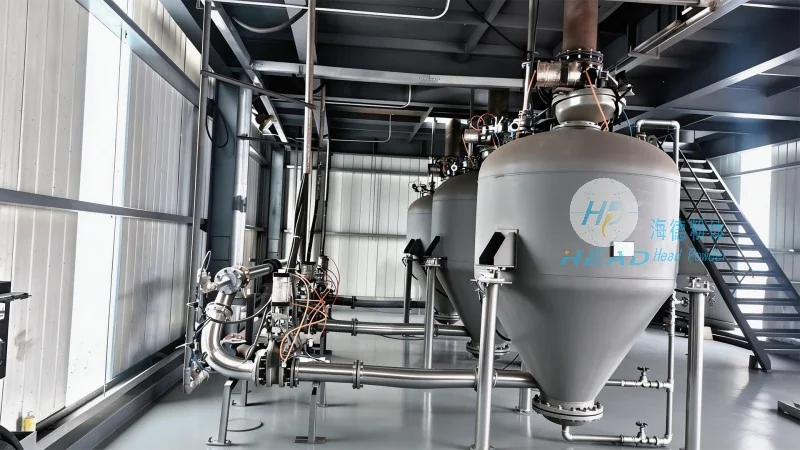
Application Scenarios and Industry Uses
Small bag material pneumatic conveying systems are particularly well-suited for applications where material handling needs to be integrated with production lines or where space is limited. For instance, in chemical manufacturing, these systems can transport powders like pigments, additives, or catalysts from bulk bags to mixing equipment or storage silos. In the food industry, they are used to convey ingredients like flour, sugar, or spices from bags to processing machines or packaging lines, maintaining strict hygiene standards. The pharmaceutical sector also benefits from such systems, as they enable the safe and sterile transfer of raw materials or active pharmaceutical ingredients (APIs) from sealed bags to production equipment, minimizing cross-contamination risks.
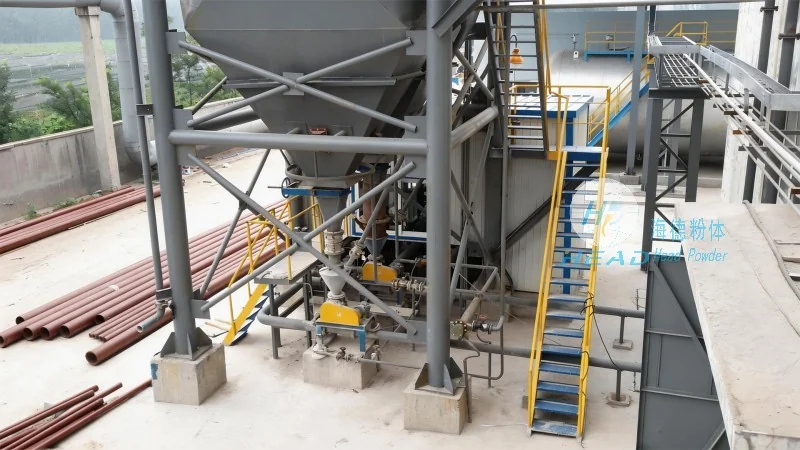
Advantages of Small Bag Material Pneumatic Conveying Systems
One of the primary advantages of small bag material pneumatic conveying systems is their ability to automate the material handling process, reducing the need for manual lifting and transferring of heavy bags. This not only improves operational efficiency but also enhances workplace safety by minimizing the risk of injuries from manual handling. Additionally, the systems are designed to be hygienic and clean, making them ideal for industries where product purity is paramount, such as food and pharmaceuticals. They also offer flexibility in terms of layout, as the conveying lines can be easily reconfigured to accommodate changes in production processes or facility expansions. Furthermore, these systems are generally more energy-efficient compared to traditional methods like bucket elevators or conveyor belts, as they use compressed air to move material over relatively short distances with minimal friction.
Customization and Solutions by Shandong HeadPowder Engineering Co., Ltd.
Shandong HeadPowder Engineering Co., Ltd., a leading provider of material handling solutions, specializes in designing and manufacturing customized small bag material pneumatic conveying systems tailored to the specific needs of clients. With a focus on innovation and quality, the company offers a range of solutions that integrate advanced technology with practical applications. Their systems are engineered to handle a wide variety of materials, from fine powders to coarse granules, and can be adapted to different bag sizes and shapes. The company’s expertise in system design ensures that each solution is optimized for efficiency, reliability, and cost-effectiveness, providing clients with a robust and durable material handling solution that meets industry standards and regulatory requirements. HeadPowder’s commitment to customer satisfaction and technical excellence has made them a trusted partner for businesses seeking to enhance their material handling processes.




