Desulfurization and dust removal ash, as a byproduct from industrial processes, requires efficient handling and transportation. The pneumatic conveying equipment designed for such materials offers a reliable solution, integrating advanced technology to manage the material's characteristics and operational demands.
About HeadPowder
HeadPowder, formally known as Shandong HeadPowder Engineering Co., Ltd., is a professional manufacturer specializing in industrial material handling solutions. With a base in Shandong, China, the company focuses on developing and supplying high-quality pneumatic conveying systems tailored to diverse industrial applications.
Principle of Pneumatic Conveying Equipment for Desulfurization and Dust Removal Ash
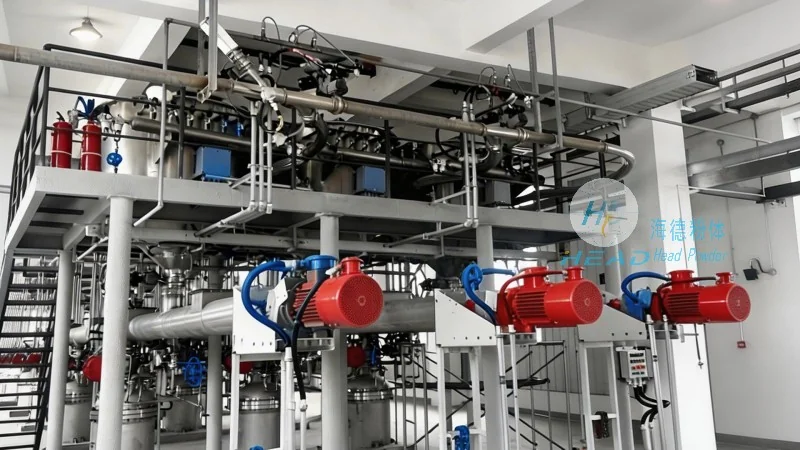
The core principle of the pneumatic conveying system for desulfurization and dust removal ash involves the use of air as the conveying medium to transport bulk materials. This method typically operates through two main modes: pressure and vacuum. In pressure systems, compressed air is introduced into a hopper or silo, creating a pressure differential that forces the ash material into a pipeline. The material is then carried through the pipeline by the moving air stream, reaching the discharge point. Vacuum systems, on the other hand, use a vacuum pump to create a negative pressure in the pipeline, drawing the ash material from the source to the destination. Both modes are designed to handle the abrasive and potentially corrosive nature of desulfurization and dust removal ash, ensuring efficient and safe material transport.
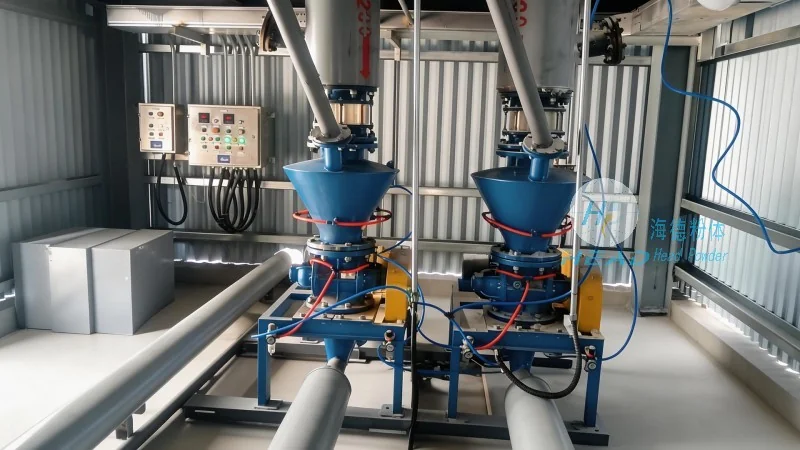
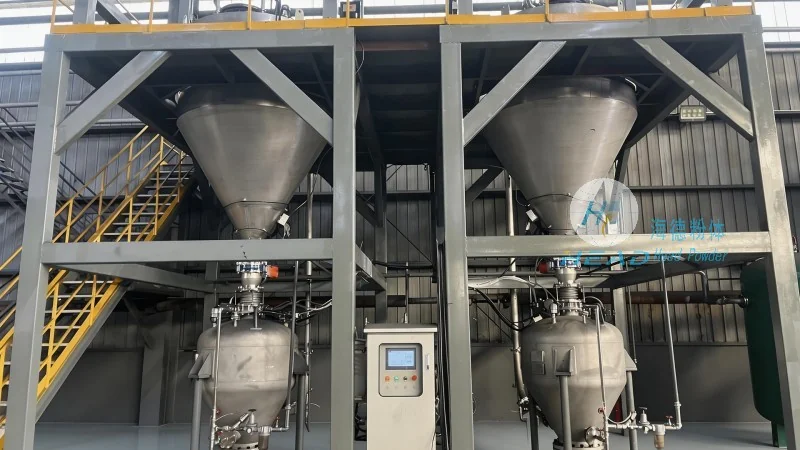
The pneumatic conveying system for desulfurization and dust removal ash typically consists of several key components, including a hopper, feeder, air compressor or vacuum pump, pipeline, and discharge valve. The hopper is used to store the ash material, while the feeder ensures a consistent flow of material into the pipeline. The air compressor or vacuum pump generates the necessary pressure or vacuum to move the material. The pipeline is designed to withstand the abrasive nature of the ash, often made from materials such as stainless steel or high-density polyethylene. The discharge valve controls the release of the material at the destination. These components work in tandem to ensure the efficient and reliable transport of desulfurization and dust removal ash.
Working Scene Characteristics of the Equipment
The pneumatic conveying equipment for desulfurization and dust removal ash is particularly suited for industrial settings where large volumes of ash need to be moved over short to medium distances. Key characteristics include: high efficiency in material transfer, minimal material degradation due to gentle handling, and the ability to operate in environments with varying air quality and temperature conditions. The equipment is also designed for easy integration into existing industrial processes, reducing downtime and maintenance costs. Additionally, its compact design allows for installation in confined spaces, making it ideal for facilities with limited floor space. The system's adaptability to different ash compositions and particle sizes further enhances its versatility, ensuring it can meet the specific requirements of various industrial applications.
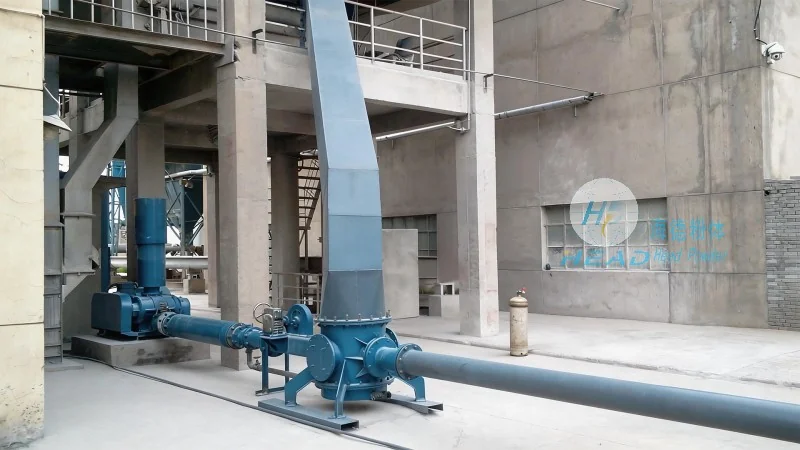
For example, in power plants, the equipment is used to transport ash from the desulfurization and dust removal systems to storage silos or disposal sites. In cement factories, it helps move ash from the raw material handling areas to the production lines. The equipment's ability to handle high volumes of ash at a time makes it suitable for large-scale industrial operations, where material throughput is critical. Furthermore, the system's low maintenance requirements and long service life contribute to its cost-effectiveness, making it an attractive option for industries looking to optimize their material handling processes.




