The Water-Containing Powder Pneumatic Conveying System is a specialized industrial solution designed to efficiently transport powder materials using a combination of water and air. This system is particularly effective for handling materials that are prone to dust, caking, or require controlled moisture content during transport. Developed by Shandong HeadPowder Engineering Co., Ltd., a leading provider in the field, this system integrates advanced engineering principles to ensure reliable and low-maintenance operation.
Key Components and Working Principle
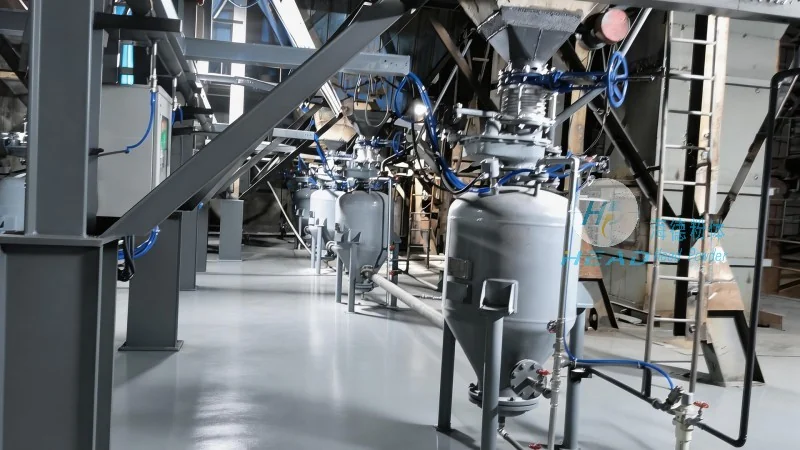
The system operates by injecting water into a powder stream, which then mixes with air to create a slurry-like mixture. This mixture is propelled through a pipeline network using compressed air, allowing for the transport of powders over long distances with minimal degradation. The key components include a water injection unit, a powder feeder, a pneumatic conveying line, and a separation system at the discharge end. The water acts as a carrier, reducing friction and preventing material buildup, while the air provides the necessary pressure to move the mixture. The system is designed to maintain consistent moisture levels, ensuring the material remains in a stable state throughout the conveying process.
Advantages of the Water-Containing Powder System
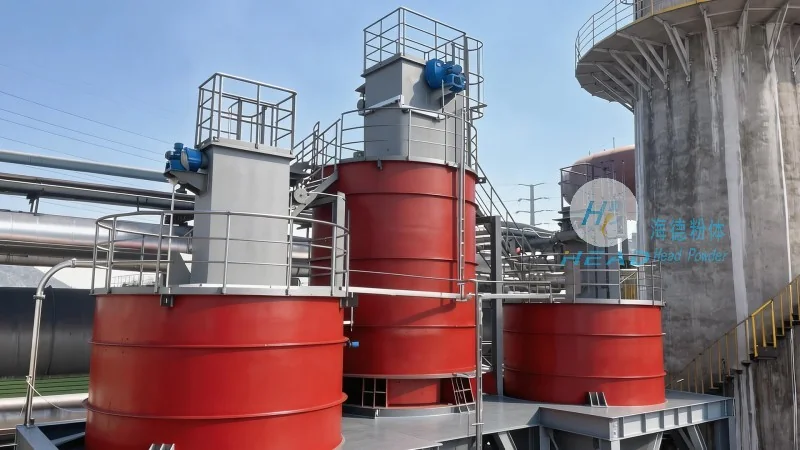
Compared to traditional pneumatic conveying methods, the water-containing system offers several advantages. First, it significantly reduces dust emissions, making it safer for both operators and the environment. The water acts as a dust suppressant, minimizing airborne particles that could otherwise cause health hazards or contamination. Second, it improves material flowability, especially for cohesive or fine powders, by preventing caking and agglomeration. This leads to more consistent and reliable transport performance. Third, the system is energy-efficient, as it requires less air pressure compared to dry pneumatic systems, resulting in lower operational costs. Additionally, the water can be recycled and reused within the system, enhancing sustainability and reducing water consumption.
Applications and Industries
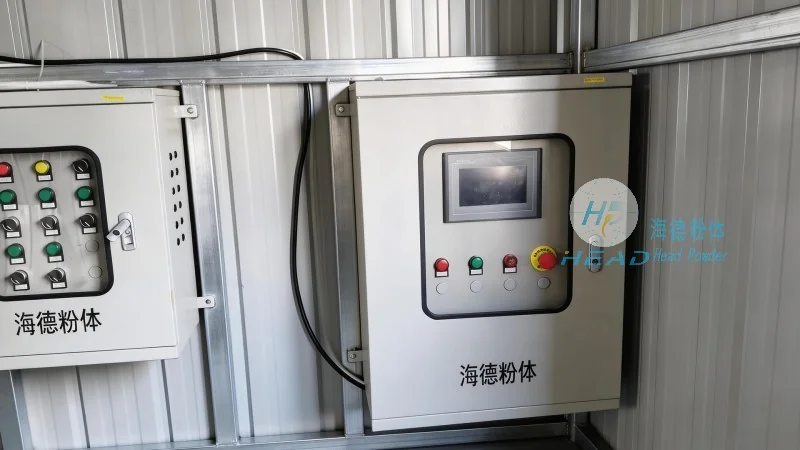
The Water-Containing Powder Pneumatic Conveying System is widely used in various industries where powder handling is critical. In the chemical industry, it is used for transporting raw materials and finished products, such as fertilizers, pigments, and coatings. In the food and beverage sector, it is employed for handling dry ingredients like flour, sugar, and spices, ensuring hygienic and dust-free transport. The pharmaceutical industry also benefits from this system, as it maintains the purity and integrity of sensitive powders, preventing contamination and ensuring compliance with regulatory standards. Other applications include the mining and construction sectors, where bulk powders like cement, limestone, and fly ash are transported efficiently.
Customization and Integration
Shandong HeadPowder Engineering Co., Ltd. offers customized solutions tailored to specific customer needs. The system can be integrated with existing production lines or designed as a standalone unit, depending on the client's requirements. The company provides comprehensive engineering services, including system design, installation, and maintenance support. Clients can choose from different pipeline configurations, such as horizontal, vertical, or a combination of both, to suit their facility layout. The water injection rate and air pressure can also be adjusted to optimize performance for different powder types and conveying distances. This flexibility ensures that the system meets the unique demands of each application, maximizing efficiency and minimizing downtime.
Maintenance and Operational Considerations
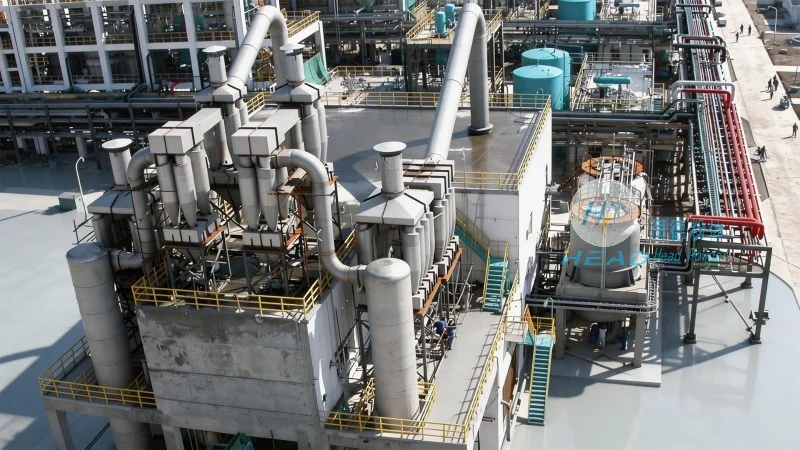
Proper maintenance is essential to ensure the long-term performance and reliability of the Water-Containing Powder Pneumatic Conveying System. Regular cleaning of the pipeline and water injection components is necessary to prevent blockages and maintain optimal flow. The water quality should be monitored to avoid scale buildup or corrosion in the system components. Additionally, the air filtration system should be checked and replaced as needed to prevent dust contamination. Operational considerations include monitoring the moisture content of the conveyed material to ensure it remains within the desired range. The system's control panel allows for real-time adjustments, enabling operators to respond quickly to changes in material properties or conveying conditions. By following recommended maintenance procedures and operational guidelines, the system can achieve high uptime and extend its service life.




