Shandong HeadPowder Engineering Co., Ltd., commonly known as headpowder, is a professional manufacturer and supplier of advanced powder handling equipment based in Shandong, China. The company specializes in the design, development, and production of high-efficiency pneumatic conveying systems tailored for various industrial applications, including the processing of lithium-ion battery materials. This article focuses on the principle and working scene characteristics of powder pneumatic conveying equipment specifically designed for lithium-ion battery material handling.
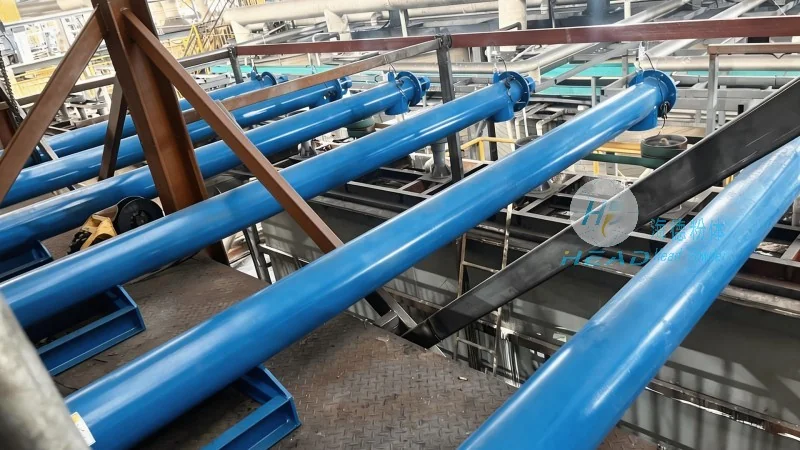
Powder Pneumatic Conveying Equipment: Core Principle
The powder pneumatic conveying equipment operates on the fundamental principle of transporting dry powders through a pipeline using a gas stream, typically air or other gases. There are two primary types of pneumatic conveying systems: positive pressure (or pressure) systems and negative pressure (or vacuum) systems. In a positive pressure system, air is forced under pressure into the conveying line, carrying the powder from the source to the destination. Conversely, a negative pressure system creates a vacuum in the line, drawing the powder into the system from the source. The choice between these systems depends on factors such as the material properties, the distance to be conveyed, and the environmental requirements.
Application in Lithium-Ion Battery Material Processing
For lithium-ion battery material processing, the pneumatic conveying equipment plays a crucial role in efficiently handling raw materials like cathode active materials (e.g., lithium cobalt oxide, lithium iron phosphate), anode active materials (e.g., graphite, silicon carbide), and other auxiliary materials. These materials often have specific characteristics, such as varying particle sizes, moisture content, and flowability, which require specialized equipment to ensure reliable and consistent transport. The equipment is designed to handle these materials without degradation, maintaining their quality and preventing contamination during the conveying process.
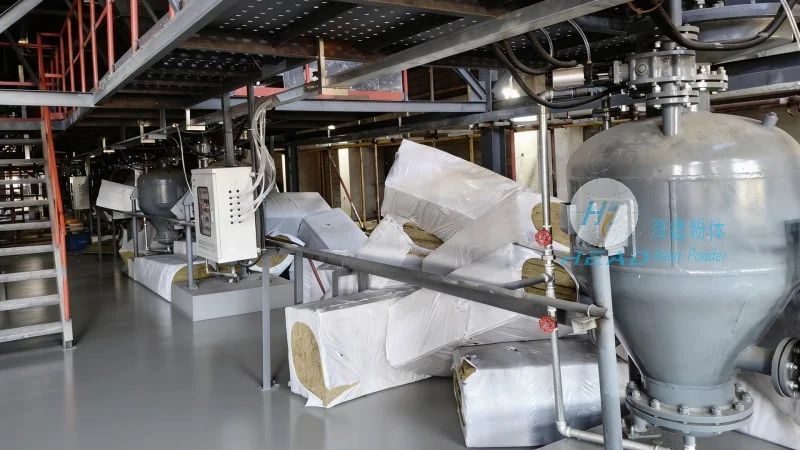
Working Scene Characteristics: Efficiency and Reliability
The working scene characteristics of the powder pneumatic conveying equipment for lithium-ion battery materials are defined by several key aspects. Firstly, the system offers high conveying efficiency, capable of transporting large volumes of powder over considerable distances with minimal energy consumption compared to traditional methods like belt conveyors or bucket elevators. This efficiency is particularly important in large-scale battery material production facilities where continuous and uninterrupted material flow is essential for maintaining production rates.
Secondly, the equipment provides excellent flexibility in handling different material types and processing conditions. It can be configured to handle powders with varying particle sizes, from fine powders (e.g., sub-micron cathode materials) to coarser materials (e.g., graphite flakes). The system can also accommodate materials with different moisture levels and flow properties, ensuring stable operation without clogging or blockages in the pipeline. This adaptability makes it suitable for diverse production lines within the battery material processing industry.
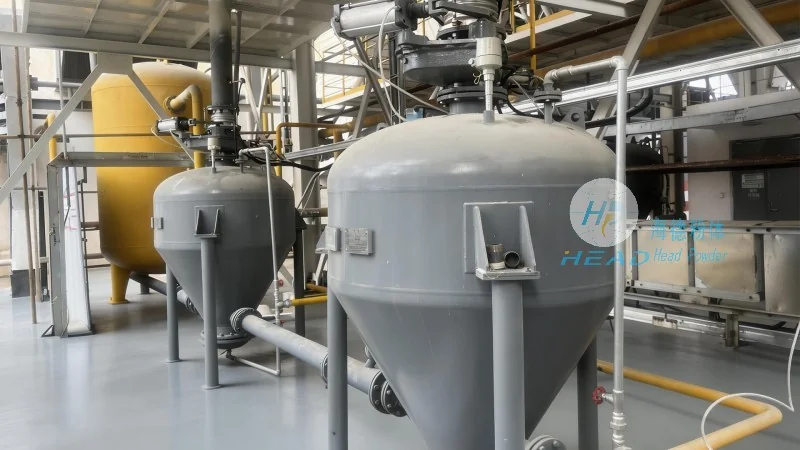
Environmental and Safety Considerations
Another important working scene characteristic is the environmental and safety performance of the pneumatic conveying system. Unlike mechanical conveying methods that may generate dust and noise, the pneumatic system operates with enclosed pipelines, minimizing dust emissions and reducing the risk of airborne contamination. This is particularly critical in battery material processing, where dust can affect material quality and pose health hazards. Additionally, the system is designed with safety features to prevent overpressure or vacuum conditions, ensuring safe operation in industrial environments.
Conclusion: Advantages for Battery Material Handling
In conclusion, the powder pneumatic conveying equipment from Shandong HeadPowder Engineering Co., Ltd. offers a reliable and efficient solution for handling lithium-ion battery materials. By leveraging the principles of pneumatic transport, the equipment ensures consistent material flow, maintains material quality, and provides flexibility in handling diverse material types. Its high efficiency, adaptability, and environmental benefits make it an ideal choice for modern battery material processing facilities, supporting the continuous growth and development of the lithium-ion battery industry.




