HeadPowder, a leading manufacturer of pneumatic conveying systems, specializes in the design and production of gypsum powder pneumatic conveying equipment. This article explores the fundamental principles behind such systems and highlights the key working scene characteristics that define their application in industrial settings.
Principle of Gypsum Powder Pneumatic Conveying Equipment
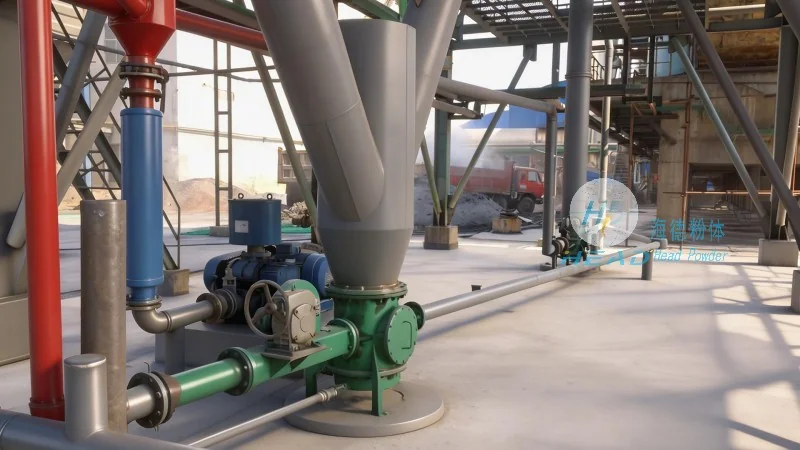
Gypsum powder pneumatic conveying equipment operates on the principle of transporting dry bulk materials, like gypsum powder, through a pipeline using a gas stream, typically air. The core mechanism involves creating a pressure differential between the conveying line and the ambient environment. This is achieved by either generating positive pressure (pressure conveying) or negative pressure (suction conveying) within the pipeline. In pressure conveying, a blower or compressor supplies compressed air to push the material along the pipeline. Conversely, suction conveying uses a vacuum pump to draw the material into the line. The choice between these methods depends on factors such as the distance to be covered, the material's properties, and the system's layout.
The equipment typically consists of several key components: a hopper for material storage, a feeder to control the flow rate, a conveying line, a separator to separate the material from the air at the receiving end, and a filter to capture any fine particles. The feeder is crucial as it ensures a consistent and controlled feed of gypsum powder into the system, preventing blockages and maintaining stable conveying performance. The conveying line is usually made of materials like stainless steel or plastic, chosen for their resistance to corrosion and wear from the gypsum powder. The separator and filter are essential for maintaining air quality and preventing dust contamination in the receiving area.
Working Scene Characteristics of Gypsum Powder Pneumatic Conveying Equipment
The working scene characteristics of gypsum powder pneumatic conveying equipment are tailored to the specific demands of industrial applications. These systems are commonly used in the construction materials industry, where gypsum is a primary component in plaster and drywall products. The equipment is designed to handle the fine, dry nature of gypsum powder, which can be prone to dusting and caking if not handled properly.
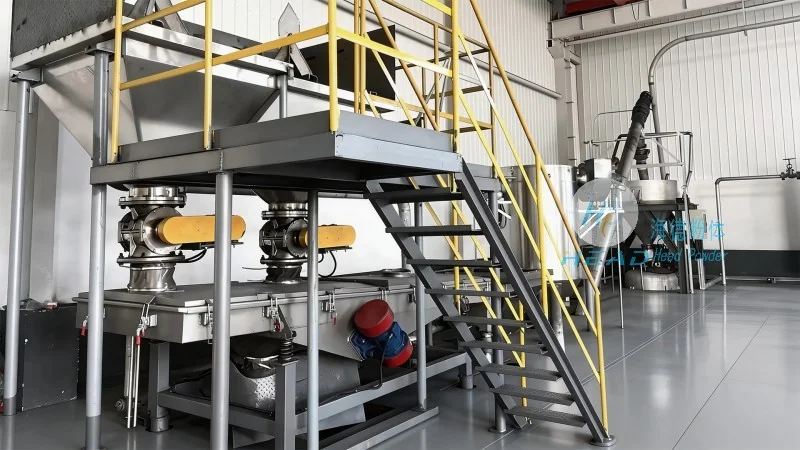
One key characteristic is the ability to transport gypsum powder over long distances with minimal material loss and high efficiency. This is particularly important in large-scale production facilities where the material needs to be moved from storage silos to processing lines or from production areas to packaging stations. The equipment's design allows for continuous operation, reducing downtime and increasing overall productivity. Additionally, the systems are often integrated with other production equipment, such as mixers and grinders, to form a seamless material handling process.
Another important characteristic is the flexibility in system configuration. Depending on the application, the equipment can be set up for either pressure or suction conveying. For example, in a plant where gypsum is stored in a silo and needs to be transported to a mixing plant located several hundred meters away, a pressure conveying system might be more suitable due to the longer distance and the need for consistent material flow. Conversely, in a smaller facility where the receiving point is close to the source, a suction system could be more efficient and cost-effective.
The working scene also considers the environmental and safety aspects. Gypsum powder is generally non-toxic and has low dust explosion risks, but proper ventilation and filtration are still necessary to maintain a clean working environment. The equipment is designed with safety features such as pressure relief valves and dust collection systems to prevent accidents and ensure compliance with industrial safety standards. Furthermore, the systems are often equipped with monitoring and control systems that allow operators to track the conveying process in real-time, enabling quick adjustments if any issues arise.
Application Scenarios and Industry Integration
Gypsum powder pneumatic conveying equipment is widely applied in various industrial scenarios, primarily within the building materials sector. A common scenario is in the production of gypsum board, where the equipment is used to transport raw gypsum powder from storage to the production line for mixing with other additives. The system ensures a steady supply of material, which is critical for maintaining the quality and consistency of the final product.
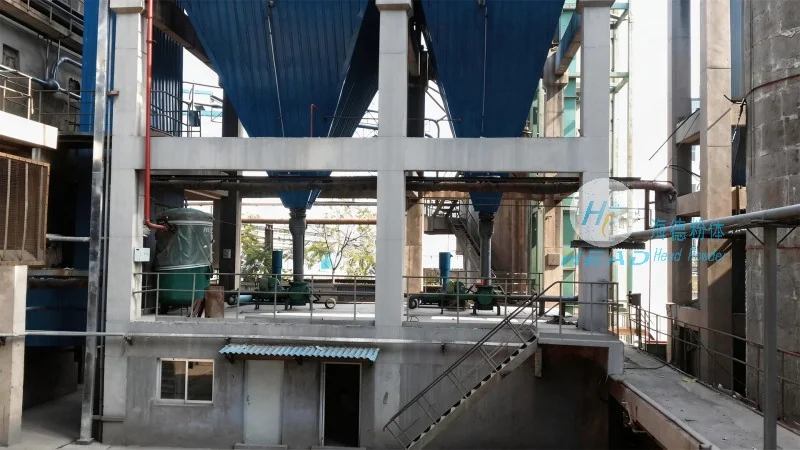
In another scenario, the equipment is used in the processing of gypsum for agricultural purposes. Gypsum is sometimes used as a soil conditioner, and the pneumatic conveying system can efficiently transport the material from storage to application sites, such as farms or construction sites for soil improvement. This application highlights the versatility of the equipment in handling different types of gypsum products, from raw powder to processed materials.
The integration of these systems with other industrial processes is another key characteristic. For instance, in a facility that produces both gypsum products and other dry bulk materials, the same pneumatic conveying equipment can be adapted to handle different materials by adjusting the feeder settings and the conveying line parameters. This flexibility reduces the need for multiple types of handling equipment, optimizing the overall material handling strategy and reducing operational costs.
Conclusion
Gypsum powder pneumatic conveying equipment, as developed by Shandong HeadPowder Engineering Co., Ltd., exemplifies the advanced technology in dry bulk material handling. By understanding the fundamental principles and working scene characteristics, industries can effectively utilize these systems to enhance productivity, ensure material quality, and maintain a safe working environment. The equipment's adaptability and efficiency make it a vital component in modern industrial operations, particularly in the construction and building materials sectors.




