Straw ash powder pneumatic conveying equipment is a specialized system designed to handle and transport fine powders derived from straw combustion processes. This equipment plays a crucial role in the agricultural and environmental sectors, particularly in regions where straw is used as a biomass fuel source. The system's design and functionality are tailored to address the unique challenges associated with transporting such powders efficiently and safely.
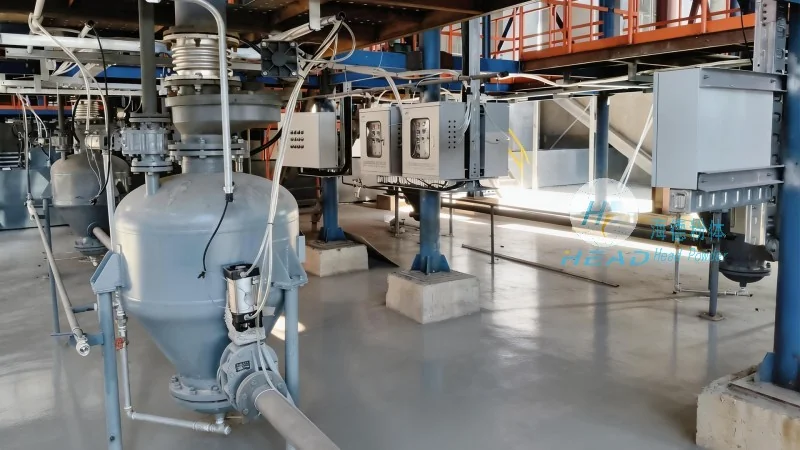
Overview of Straw Ash Powder Pneumatic Conveying Equipment
Straw ash, a byproduct of straw combustion, is a fine powder that requires specialized handling due to its particle size and potential for dust explosion risks. The pneumatic conveying equipment developed by Shandong HeadPowder Engineering Co., Ltd. addresses these challenges through a combination of advanced engineering principles and robust construction. The system is engineered to ensure reliable and continuous transport of straw ash from storage or processing areas to disposal or utilization sites.
Working Principle of the Pneumatic Conveying System
The core principle of pneumatic conveying involves the use of a gas stream, typically air or a mixture of air and other gases, to transport solid particles through a pipeline. In the case of straw ash powder, the system operates by generating a high-velocity airflow that entrains the fine particles, moving them through the conveying line under pressure or vacuum conditions. The equipment includes key components such as a feeder, a compressor or vacuum pump, a conveying line, and a receiver. The feeder ensures a consistent flow of straw ash into the system, while the compressor or vacuum pump provides the necessary pressure or suction to move the particles. The conveying line, often made of corrosion-resistant materials, transports the mixture, and the receiver collects the ash at the destination. This process minimizes the need for mechanical components that could cause blockages or wear, making it suitable for handling abrasive and fine powders.
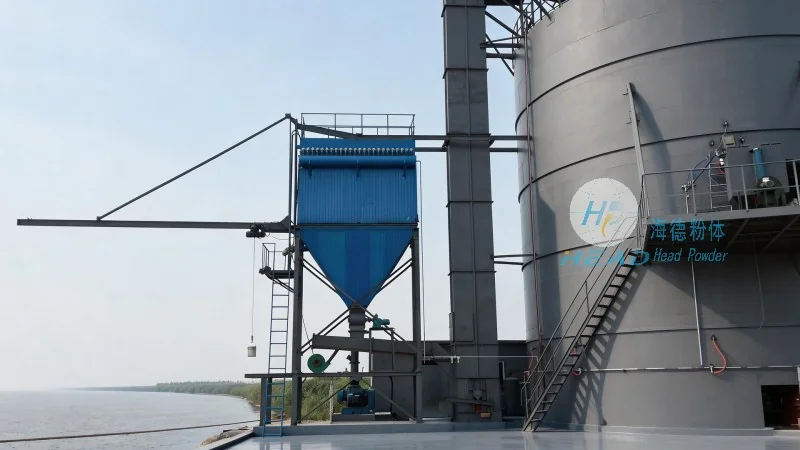
Key Components and Their Functions
The pneumatic conveying equipment consists of several critical components, each playing a vital role in the overall operation. The feeder is responsible for feeding the straw ash into the system at a controlled rate, preventing overloading and ensuring smooth transport. The compressor or vacuum pump generates the required air pressure or suction to move the particles through the pipeline. The conveying line, typically made of stainless steel or other durable materials, is designed to withstand the abrasive nature of straw ash and maintain airtightness to prevent dust leakage. The receiver is a storage vessel that collects the transported ash, often equipped with dust collection systems to ensure environmental compliance. Additionally, the system may include filters and cyclones to separate any entrained air from the ash, improving efficiency and reducing air consumption.
Working Scene Characteristics and Applications
The working scene characteristics of straw ash powder pneumatic conveying equipment are tailored to the specific needs of agricultural and environmental applications. These systems are commonly used in scenarios where straw is burned for energy production, such as in rural areas or agricultural processing facilities. The equipment is designed to handle large volumes of straw ash, making it suitable for continuous operation in industrial settings. The working environment may involve dusty conditions, requiring the equipment to be robust and easy to maintain. The system's ability to operate under vacuum or pressure conditions allows for flexibility in transporting ash from various sources, including storage silos, processing plants, or disposal sites. The equipment is also designed to minimize downtime and maintenance, ensuring reliable performance over extended periods.
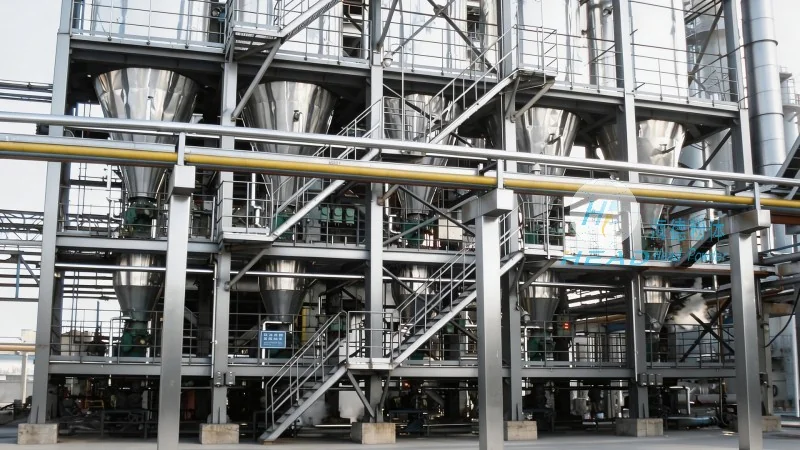
Advantages of Using Pneumatic Conveying for Straw Ash
Compared to traditional mechanical conveying methods, pneumatic conveying offers several advantages for straw ash transport. The primary benefit is the ability to handle fine powders without the risk of blockages or wear on mechanical components. This reduces maintenance costs and increases the system's longevity. Additionally, pneumatic systems can transport materials over longer distances with fewer intermediate points, improving operational efficiency. The system also provides better control over the flow rate and pressure, allowing for precise management of the ash transport process. Furthermore, the use of air as the conveying medium reduces the risk of dust explosions compared to mechanical systems, enhancing safety in the working environment. The equipment's design also allows for easy integration with existing processing facilities, minimizing the need for major infrastructure changes.
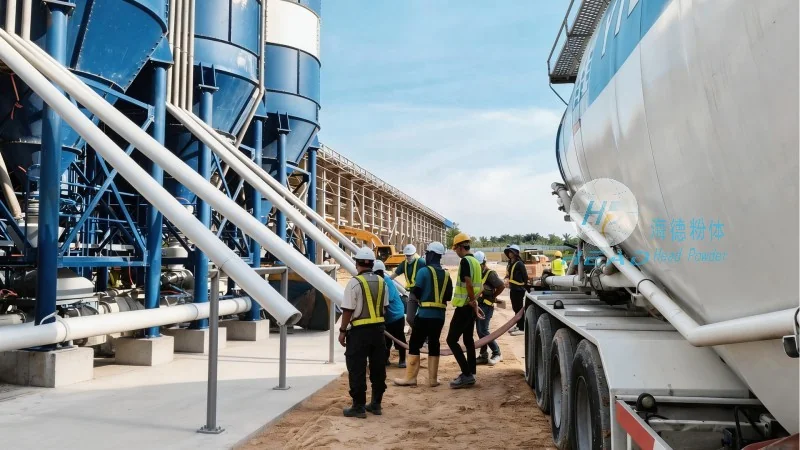
Operational Considerations and Maintenance
Operational considerations for straw ash powder pneumatic conveying equipment include ensuring proper air filtration to prevent dust accumulation in the system and maintaining the compressor or vacuum pump at optimal performance levels. Regular maintenance is essential to ensure the system operates efficiently and safely. This includes checking for leaks in the conveying line, cleaning filters and cyclones, and inspecting the feeder and receiver for any signs of wear or blockage. The equipment is designed for easy access to components, facilitating routine maintenance tasks. Additionally, the system's control panels allow for monitoring of pressure, flow rate, and other critical parameters, enabling operators to detect and address issues promptly. Proper training of operators on the system's operation and maintenance is crucial to maximize the equipment's performance and lifespan.
Environmental and Safety Compliance
Straw ash powder pneumatic conveying equipment is designed with environmental and safety compliance in mind. The system includes features such as dust collection and filtration to minimize emissions and prevent air pollution. The use of airtight conveying lines and sealed components reduces the risk of dust leakage into the environment. Additionally, the equipment is engineered to comply with local regulations regarding the handling and transport of biomass ash. Safety features include pressure relief valves, emergency shut-off systems, and monitoring of air quality to ensure a safe working environment. The system's design also minimizes the risk of dust explosions by controlling the concentration of airborne particles and providing proper ventilation. Overall, the equipment contributes to sustainable practices by efficiently managing straw ash, reducing waste, and promoting the use of biomass as a renewable energy source.




