Stearic acid sodium, a widely used chemical compound in various industrial applications, requires efficient material handling solutions to ensure smooth production processes. The material handling system equipment designed for stearic acid sodium operations plays a crucial role in maintaining product quality and operational efficiency. This article explores the underlying principles of such systems and highlights the key working scene characteristics that define their effectiveness.
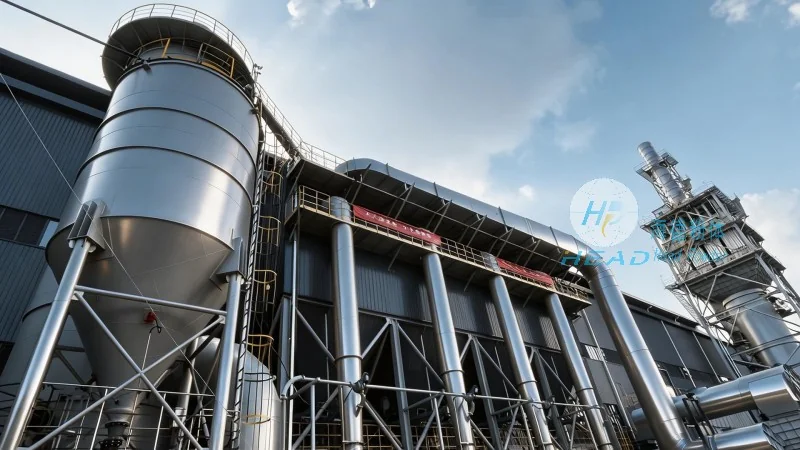
Introduction to Stearic Acid Sodium Material Handling Systems
Stearic acid sodium, also known as sodium stearate, is a fatty acid salt commonly utilized in the manufacturing of soaps, lubricants, and other chemical products. The handling of this material demands specialized equipment to manage its physical properties, such as its granular or powder form, and to prevent contamination or degradation. The material handling system for stearic acid sodium typically integrates several components, including conveyors, storage bins, and control mechanisms, to streamline the flow of material from storage to processing units.
Core Principles of Stearic Acid Sodium Material Handling Equipment
The fundamental principle behind stearic acid sodium material handling systems is the efficient transfer of material while maintaining its integrity and quality. Key components include bulk material handling equipment like screw conveyors, bucket elevators, and pneumatic conveyors, which are selected based on the material's characteristics and the operational requirements of the facility. For stearic acid sodium, which is often in a fine powder or granular state, equipment that minimizes dust generation and ensures consistent flow is essential. The system also incorporates storage solutions, such as silos or hoppers, to regulate material supply and prevent clogging or bridging, which can disrupt the handling process.
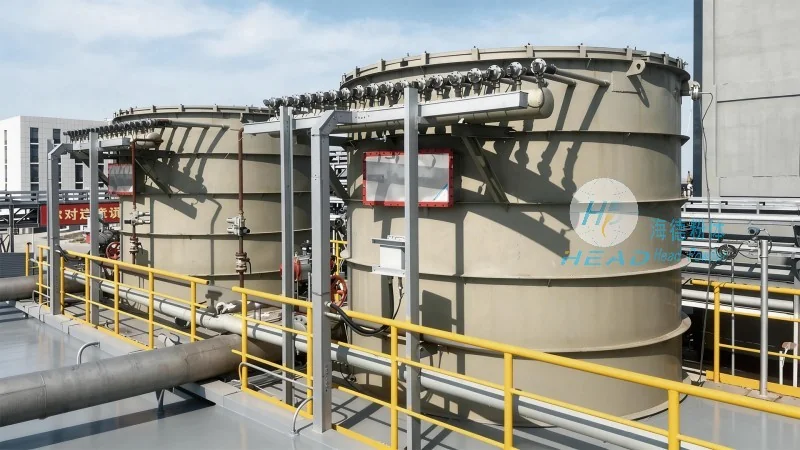
Working Scene Characteristics of Stearic Acid Sodium Material Handling Systems
The working scene characteristics of stearic acid sodium material handling systems are tailored to the specific demands of industrial environments. These systems are typically found in manufacturing plants where stearic acid sodium is processed into end products. The key characteristics include high throughput capabilities to meet production schedules, precise control over material flow to maintain consistent product quality, and robust design to withstand the corrosive or abrasive nature of the material. Additionally, the systems are often integrated with automated control systems that monitor parameters like temperature, humidity, and flow rate, ensuring optimal performance and safety.
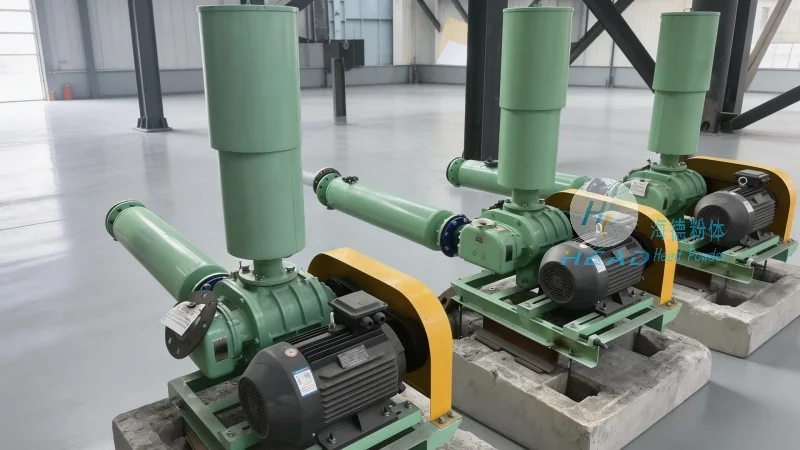
Application Scenarios and Operational Efficiency
Stearic acid sodium material handling systems are employed in diverse industrial settings, including chemical manufacturing, food processing, and pharmaceutical production. In chemical manufacturing, these systems facilitate the transfer of stearic acid sodium from raw material storage to reactors or processing lines, ensuring a continuous supply for production. In food processing, the systems help maintain hygiene standards by handling the material in a controlled environment, preventing contamination from external sources. The operational efficiency of these systems is critical, as any downtime can lead to production delays and increased costs. Therefore, the design and maintenance of the material handling equipment are crucial to sustaining high productivity levels.
Conclusion and Industry Relevance
Stearic acid sodium material handling systems are integral to the efficient operation of industrial facilities that utilize this chemical compound. By adhering to the core principles of material transfer and maintaining the working scene characteristics, these systems ensure the consistent and safe handling of stearic acid sodium. The integration of advanced control technologies and robust equipment design further enhances their effectiveness, making them indispensable in modern industrial applications. As demand for stearic acid sodium continues to grow, the importance of reliable material handling solutions will remain paramount in maintaining competitive advantages in the market.




