Chlorinated polyethylene (CPE) is a versatile polymer widely utilized across various industrial sectors due to its exceptional properties, including heat resistance, chemical stability, and flexibility. When it comes to material handling, understanding the underlying principles and application scenarios of CPE is essential for optimizing processes and ensuring operational efficiency. This article delves into the fundamental principles governing CPE material handling and highlights key characteristics of its diverse application scenarios.
Understanding the Material Handling Principles of Chlorinated Polyethylene
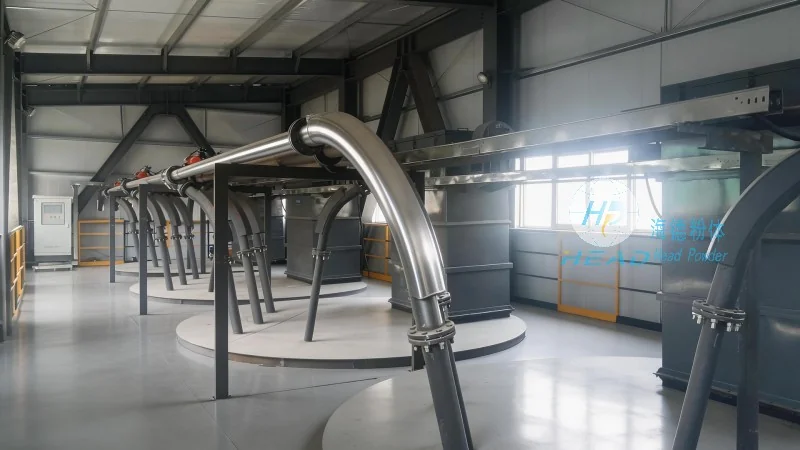
Material handling of chlorinated polyethylene involves several critical principles that ensure safe and efficient transportation. First, the physical attributes of CPE—such as its density, particle size, and flow characteristics—play a pivotal role in determining the most suitable handling methods. CPE is typically processed as pellets or granules, requiring specialized equipment to prevent degradation and maintain product integrity. The handling process often begins with storage in silos or hoppers, where the material is kept under controlled conditions to avoid moisture absorption or temperature fluctuations. From there, the material is transferred through conveyor systems, pneumatic conveyors, or screw feeders, depending on the specific requirements of the application. It is imperative to use equipment designed for polymer materials, as standard metal or plastic components may not withstand the chemical or thermal properties of CPE. For instance, the use of stainless steel or specialized plastic components in conveyor belts and hoppers is common to prevent material adhesion and ensure smooth flow. Additionally, the handling process must consider the potential for static electricity, as CPE can accumulate charge during processing. Proper grounding and anti-static measures are therefore critical to prevent sparks and ensure safe operation. By adhering to these principles, industries can effectively manage CPE material handling while minimizing risks and maximizing productivity.
Key Application Scenarios of Chlorinated Polyethylene Material Handling
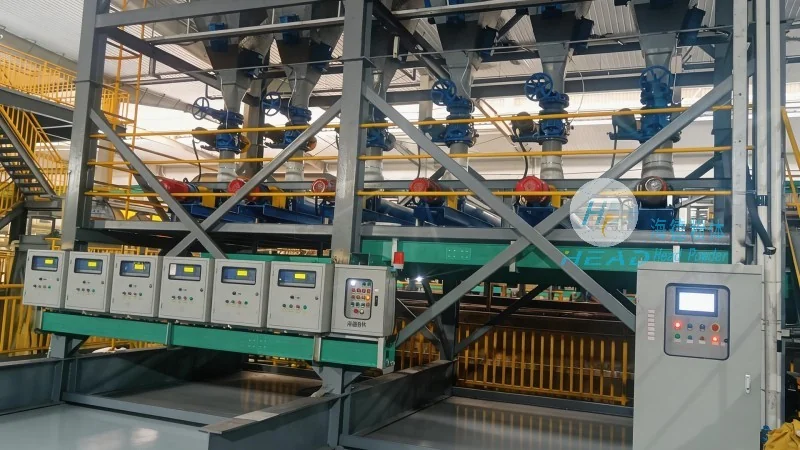
The application scenarios of chlorinated polyethylene material handling span across multiple industries, each with unique requirements and challenges. In the chemical industry, CPE is often used as a raw material for manufacturing other polymers or as an additive in coatings and adhesives. The material handling in this sector involves large-scale production lines where CPE pellets are transported from storage to processing units. Conveyor systems with high-capacity feeders are commonly employed to ensure a consistent supply of material. In the construction industry, CPE is used in the production of pipes, sheets, and other building materials. The handling of CPE in this context may involve transporting granules from a factory to construction sites or from storage to extrusion lines. The use of flexible and durable conveyor belts is essential to handle the material without causing damage. The manufacturing sector also utilizes CPE in the production of automotive parts, electrical components, and consumer goods. Here, material handling may involve small-scale processing where CPE is fed into injection molding machines or extruders. The precision of the handling equipment is crucial to maintain the quality of the final products. Furthermore, the pharmaceutical and food industries may use CPE in certain applications, though this is less common due to regulatory requirements. In these cases, the material handling must adhere to strict hygiene standards, using clean equipment and preventing contamination. Each application scenario requires tailored solutions to address specific challenges, such as the need for high-speed processing in manufacturing or the need for long-distance transportation in construction projects.
HeadPowder's Expertise in Chlorinated Polyethylene Material Handling Solutions
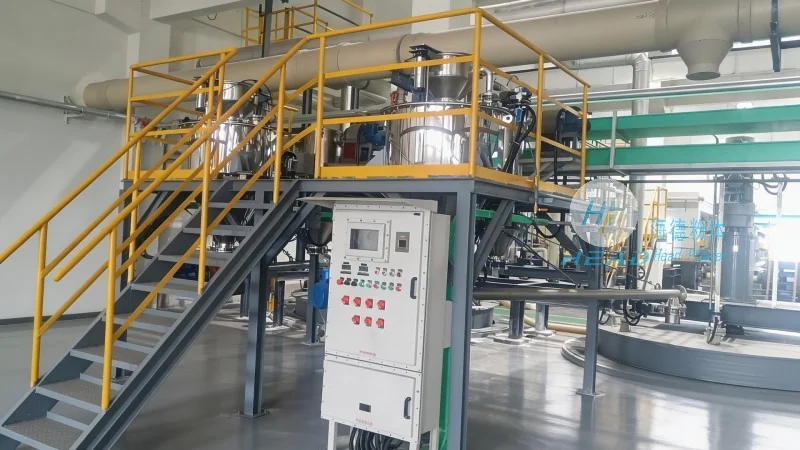
Shandong HeadPowder Engineering Co., Ltd., commonly known as HeadPowder, is a leading provider of material handling solutions tailored to the needs of industries working with chlorinated polyethylene. With a strong focus on innovation and customer satisfaction, HeadPowder has developed specialized equipment and systems that ensure efficient and safe handling of CPE. The company's expertise lies in understanding the unique properties of CPE and designing solutions that address the challenges associated with its handling. For example, HeadPowder offers customized conveyor systems with specialized components, such as anti-static materials and temperature-controlled hoppers, to prevent material degradation and ensure smooth operation. The company also provides maintenance and support services to ensure that the equipment remains in optimal condition. HeadPowder's team of engineers and technicians work closely with clients to assess their specific requirements and develop tailored solutions. This collaborative approach ensures that the material handling systems are not only efficient but also cost-effective and reliable. By leveraging their experience and technical knowledge, HeadPowder helps industries improve their production processes and reduce downtime. The company's commitment to quality and customer service has made it a trusted partner for many businesses in the CPE industry. Whether it's for large-scale industrial applications or small-scale manufacturing, HeadPowder provides the expertise and equipment needed to handle CPE materials effectively.




