The wood chip powder conveying system is a specialized equipment designed for the efficient transportation of wood chip powders in industrial settings. As a key component in processing facilities, this system ensures reliable and consistent material movement, supporting various downstream processes such as pelletizing, drying, or further processing. The system's design integrates advanced engineering principles to address the unique challenges associated with handling wood chip powders, including their variable particle size, moisture content, and flow characteristics.
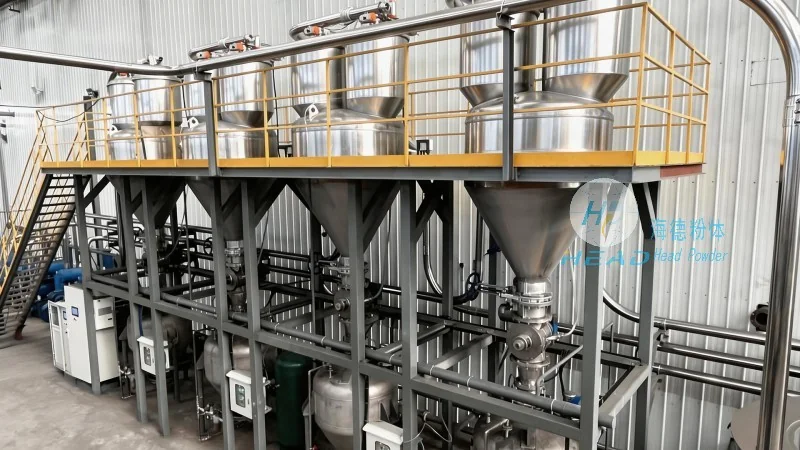
Principle of Operation
The core principle of the wood chip powder conveying system revolves around the use of pneumatic or mechanical conveying methods to transport the material from a source to a destination. In pneumatic conveying, compressed air is used to create a flow that carries the wood chip powder through a pipeline. This method is particularly effective for handling fine powders and can be adapted to both positive and negative pressure systems, depending on the application requirements. Mechanical conveying, on the other hand, utilizes screw conveyors, belt conveyors, or bucket elevators to physically move the material. This approach is often preferred for bulkier or more abrasive materials, providing a more direct and robust method of transport.
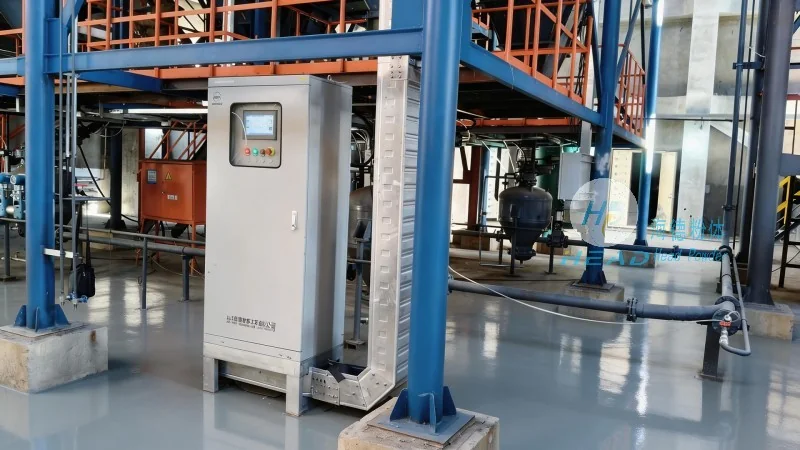
Key Components and Their Functions
The wood chip powder conveying system typically consists of several critical components that work in tandem to ensure optimal performance. The main components include the material hopper, which serves as the storage and feeding unit, the conveying pipeline or screw mechanism, the control system for regulating air or mechanical motion, and the discharge unit where the material is released at the destination. The material hopper is designed to accommodate the bulk storage of wood chip powders, often equipped with a feeder to control the flow rate and prevent blockages. The conveying pipeline or screw is the primary transport medium, engineered to handle the specific characteristics of wood chip powders, such as their tendency to agglomerate or clog. The control system plays a vital role in maintaining consistent operation, adjusting parameters like air pressure or screw speed based on real-time conditions. The discharge unit ensures the material is delivered accurately to the next processing stage, minimizing spillage and optimizing downstream efficiency.
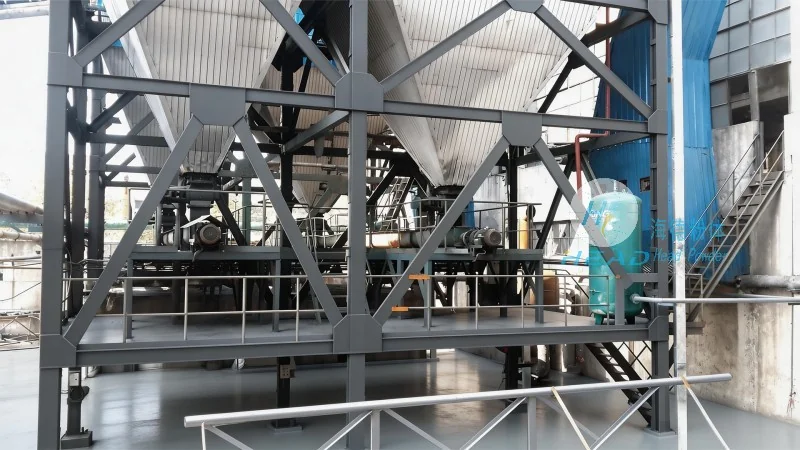
Working Scene Characteristics
The working scene characteristics of the wood chip powder conveying system are tailored to meet the demands of diverse industrial applications. These systems are commonly found in wood processing plants, biomass energy facilities, and agricultural processing centers, where wood chip powders are a primary raw material. The operational environment often involves high volumes of material, requiring the system to handle continuous or intermittent flow rates. The system's design must also consider factors such as space constraints, as many industrial facilities have limited room for large equipment. Additionally, the system must be compatible with existing infrastructure, integrating seamlessly with other processing equipment to form a cohesive production line. The working scene may also involve varying moisture levels in the wood chip powders, which can affect the conveying efficiency. The system is engineered to adapt to these variations, ensuring stable performance even under changing conditions. Safety is another critical aspect of the working scene, as the system operates with moving parts and potentially hazardous materials. Proper safety measures, such as enclosed pipelines and emergency shut-off mechanisms, are incorporated into the design to protect operators and maintain compliance with industrial safety standards.
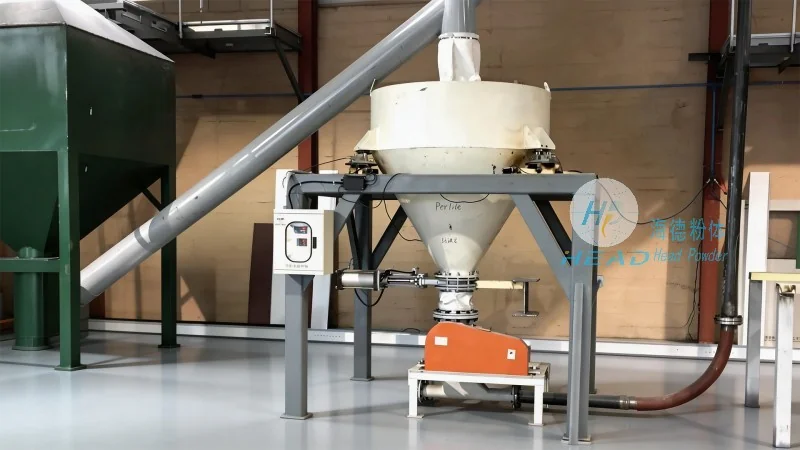
Advantages and Applications
The wood chip powder conveying system offers several advantages that make it a preferred choice in industrial applications. One of the primary benefits is its ability to handle fine wood chip powders efficiently, which is crucial for processes like pelletizing where uniform particle size is essential. The system's design minimizes material loss and contamination, ensuring high product quality. Additionally, the system can be customized to suit specific operational needs, allowing for flexibility in handling different types of wood chip powders or varying production volumes. The system's reliability and low maintenance requirements contribute to operational efficiency, reducing downtime and increasing overall productivity. In terms of applications, the wood chip powder conveying system is widely used in biomass energy production, where wood chip powders are converted into energy through combustion or gasification. It is also utilized in the production of wood-based composites, such as particleboard or fiberboard, where consistent material feed is critical. Furthermore, the system plays a role in agricultural processing, where wood chip powders are used as animal bedding or soil amendment. The versatility of the system makes it suitable for a range of industries that rely on wood chip powders as a key raw material.




