Industrial salt powder conveying systems are critical components in modern industrial operations, particularly within the salt production and processing sectors. These systems are engineered to efficiently transport bulk salt powder from storage silos or piles to processing units such as crystallizers, classifiers, or packaging lines. The primary objective of such equipment is to ensure a continuous and reliable flow of salt material, minimizing downtime and optimizing overall production efficiency. In industries where salt serves as a key raw material, the performance of the conveying system directly impacts operational productivity and cost-effectiveness.
The Working Principle of Industrial Salt Powder Conveyors
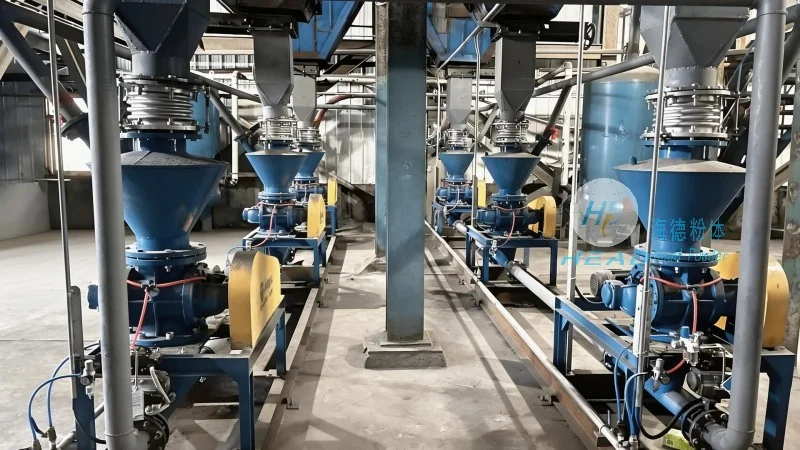
The operation of industrial salt powder conveyors is based on either mechanical or pneumatic mechanisms, each tailored to specific operational requirements. Mechanical conveyors, including screw conveyors, belt conveyors, and bucket elevators, utilize physical force to move salt powder. Screw conveyors, for instance, consist of a rotating screw inside a trough, which pushes the powder forward as it rotates. This type of conveyor is ideal for horizontal or slightly inclined transport and is commonly used in salt processing plants due to its simplicity and reliability. Belt conveyors, on the other hand, use a moving belt to transport salt powder over a series of rollers, making them suitable for longer horizontal distances and higher material capacities. Bucket elevators, designed for vertical transport, lift salt powder using a series of buckets attached to a chain or belt, which is particularly useful when moving salt from lower to higher levels in a facility.
Pneumatic Conveying Systems for Salt Powder
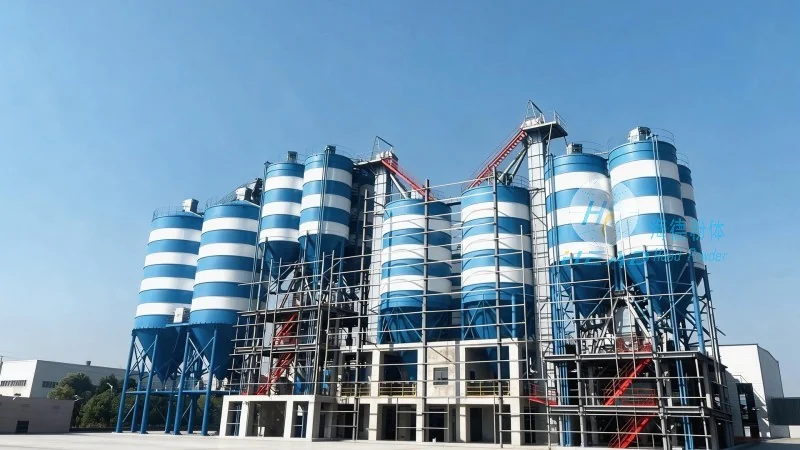
Pneumatic conveying systems employ air pressure to transport salt powder through a pipeline network. These systems are often preferred in applications where dust control is essential, as the material is conveyed within a sealed system, preventing airborne particles from contaminating the environment. There are two main types of pneumatic conveyors: positive displacement and pressure or vacuum systems. Positive displacement conveyors use a pump to create a pressure differential, pushing the salt powder through the pipeline. Pressure systems operate by blowing air into the pipeline, while vacuum systems create a negative pressure to draw the powder from the source. The choice between these systems depends on factors like the conveying distance, the required flow rate, and the need for material containment. Pneumatic conveyors are particularly effective for handling fine salt powders and can be integrated with dust collection systems to ensure environmental compliance.
Key Working Scene Characteristics of Industrial Salt Powder Conveying Equipment
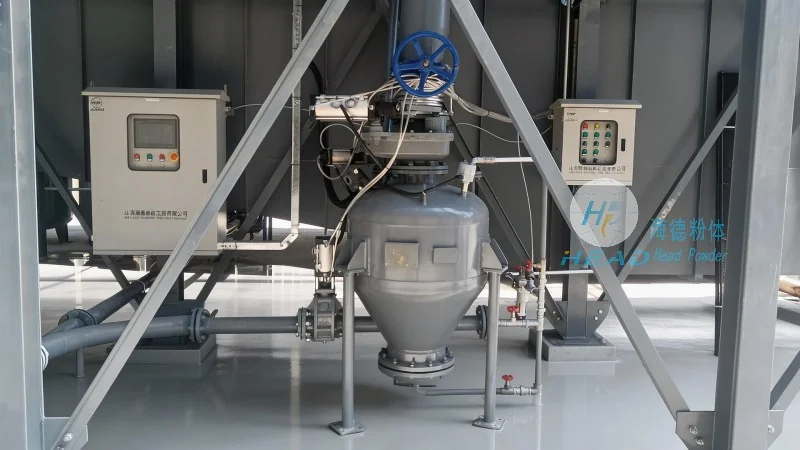
Industrial salt powder conveying equipment is deployed in various working environments, each with specific operational characteristics that influence equipment design and performance. One key characteristic is the need for high material throughput in large-scale salt production facilities, where thousands of tons of salt are processed daily. The conveying systems must be capable of handling high volumes without compromising speed or reliability, often requiring multiple conveyor lines or high-capacity units. Another characteristic is the requirement for durability and resistance to corrosion, as salt powder can be abrasive and corrosive to metal components. Materials such as stainless steel, carbon steel with protective coatings, and specialized alloys are commonly used in the construction of conveyor parts to withstand the harsh conditions of salt handling. Additionally, working scene characteristics include the need for easy maintenance and cleaning, as salt powder can accumulate in conveyor troughs and bearings, leading to blockages or reduced efficiency. Advanced features, such as self-cleaning mechanisms, easy access panels, and automated lubrication systems, enhance the operational efficiency and longevity of the equipment.
Integration with Industrial Processes
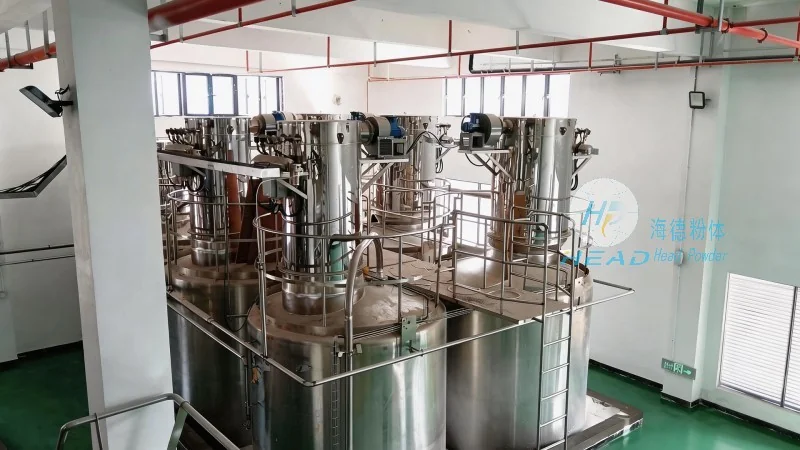
Industrial salt powder conveying systems are often integrated into larger production lines, working in conjunction with other equipment like storage silos, classifiers, and packaging machines. The seamless integration of these systems ensures a smooth flow of material from raw salt storage to the final product. For example, in a salt crystallization plant, the conveyor system may transport raw salt from a storage silo to a crystallizer, where it is processed into refined salt. The conveyor then transports the processed salt to a classifier, which separates it into different particle sizes, followed by packaging for distribution. This integrated approach minimizes material handling steps and reduces the risk of contamination or loss. Furthermore, modern conveying systems are equipped with sensors and control systems that monitor flow rates, pressure, and other parameters, allowing for real-time adjustments to maintain optimal performance. This integration of automation enhances operational efficiency and reduces the need for manual intervention.




