Carboxymethyl cellulose (CMC) is a widely used chemical additive in various industries, including food, pharmaceuticals, and construction. The efficient and reliable transportation of CMC powder is crucial for maintaining product quality and operational efficiency. This article explores the fundamental principles behind CMC powder conveying lines and highlights the key working scenario characteristics that define their performance and application.
The Core Principles of CMC Powder Conveying Systems
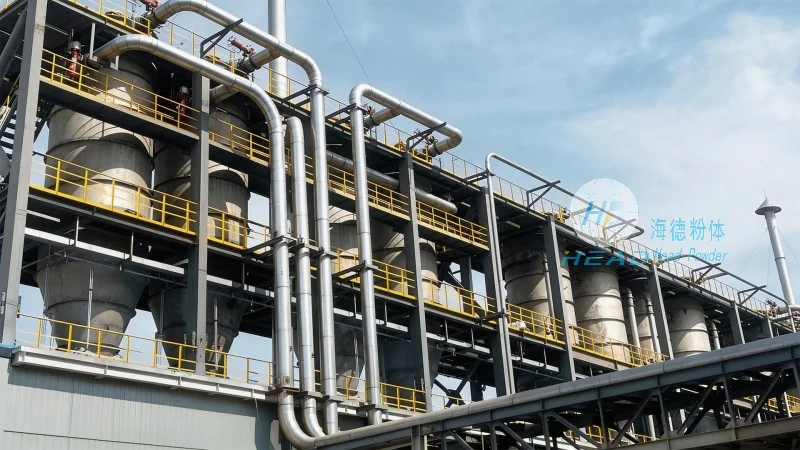
At the heart of CMC powder conveying lines are several core principles designed to ensure stable and efficient material handling. These systems typically rely on a combination of mechanical and pneumatic components to move dry powder from one location to another. The primary principle involves creating a controlled airflow that lifts and transports the powder particles through a pipeline. This is achieved through the use of blowers or compressors that generate sufficient pressure to overcome the gravitational forces acting on the powder. Additionally, the design incorporates features such as hopper feeders and rotary valves to regulate the flow rate and prevent clogging, which are critical for maintaining consistent performance. The system also employs dust collection and filtration mechanisms to ensure environmental compliance and product purity, as CMC powder can be sensitive to moisture and contamination.
Working Scenario Characteristics of CMC Powder Conveying Lines
The working scenario characteristics of CMC powder conveying lines vary based on the specific application and operational environment. For instance, in food processing facilities, the conveying systems must adhere to strict hygiene standards, with components made from food-grade materials and easy-to-clean surfaces. This ensures that the CMC powder remains free from contaminants and maintains its quality for end-use applications. In pharmaceutical manufacturing, the systems are often integrated with closed-loop conveying to prevent cross-contamination and maintain sterile conditions. The working scenarios also consider the particle size and bulk density of the CMC powder, as these factors influence the required airflow velocity and system pressure. Larger particles may require higher airflow rates to ensure proper suspension, while finer powders need more precise control to avoid agglomeration. Furthermore, the conveying lines are designed to handle varying production volumes, from continuous high-throughput operations to intermittent batch processing, making them versatile for different industrial needs.
Key Features and Advantages of HeadPowder's CMC Powder Conveying Solutions
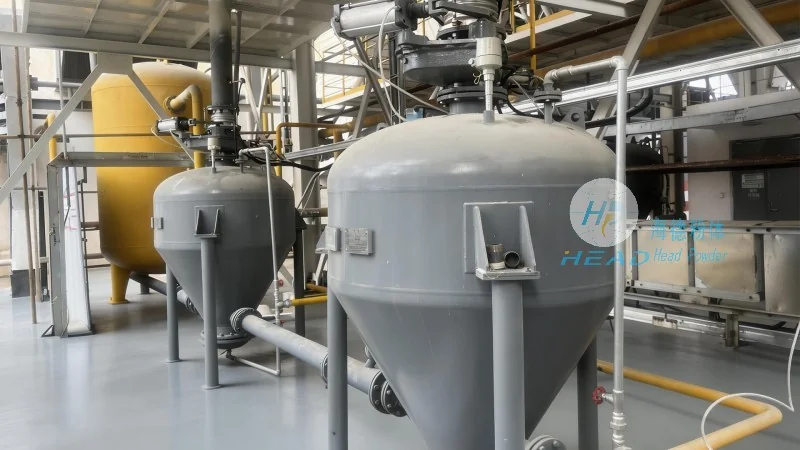
Shandong HeadPowder Engineering Co., Ltd., a leading provider of powder handling equipment, offers advanced CMC powder conveying lines that combine efficiency, reliability, and adaptability. The company’s solutions are engineered to meet the unique demands of CMC powder transportation, ensuring optimal performance across various working scenarios. Key features include high-capacity blowers capable of handling large volumes of powder, adjustable airflow control systems for precise particle handling, and robust material handling components that resist wear and tear from abrasive CMC particles. The conveying lines are also designed with safety in mind, incorporating emergency shut-off valves and pressure relief mechanisms to prevent accidents and protect personnel. Additionally, the systems are equipped with monitoring and control interfaces that allow operators to track performance metrics, such as flow rate and pressure, in real-time. This enables proactive maintenance and ensures consistent operation, reducing downtime and increasing overall productivity.
Customization and Application Flexibility
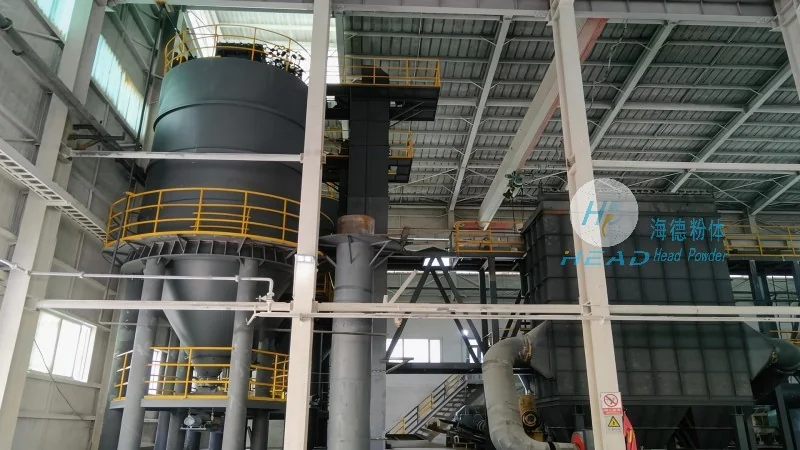
HeadPowder, headquartered in Shandong, China, is a leading provider of specialized powder handling equipment, including advanced CMC powder conveying lines. The company’s solutions are engineered to meet the unique demands of CMC powder transportation, ensuring optimal performance across various working scenarios. By working closely with clients to assess their operational needs—including production scale, powder characteristics, and environmental regulations—HeadPowder designs customized systems that maximize efficiency and minimize costs. For example, in construction applications where CMC is used as a binder, the conveying lines may be designed to handle larger particle sizes and higher bulk densities, with reinforced pipelines to withstand the abrasive nature of the material. In contrast, for pharmaceutical applications, the systems are optimized for fine powders and require strict contamination control measures, such as stainless steel construction and HEPA filtration. This flexibility allows HeadPowder to provide solutions that are not only effective but also compliant with industry standards and regulations.
Conclusion: Enhancing CMC Powder Handling with Advanced Conveying Systems
Carboxymethyl cellulose powder conveying lines are essential for the efficient and reliable handling of this critical chemical additive. By understanding the core principles and working scenario characteristics, industries can select and implement systems that optimize performance and maintain product quality. Shandong HeadPowder Engineering Co., Ltd. stands as a trusted partner in providing advanced CMC powder conveying solutions, leveraging years of expertise to deliver systems that meet the diverse needs of modern industrial applications. With a focus on innovation, quality, and customer satisfaction, HeadPowder continues to lead the way in powder handling technology, ensuring that CMC powder is transported safely and efficiently across various working scenarios.




