HeadPowder, a leading enterprise in the field of material handling technology, specializes in the design, manufacturing, and application of advanced pneumatic conveying systems. Based in Shandong, China, the company leverages its expertise to provide efficient and reliable solutions for the transportation of inorganic salt crystals. This article explores the fundamental principles behind these systems and highlights the key characteristics of their operational scenarios, offering insights into how such technology enhances industrial processes.
Understanding the Core Principle of Pneumatic Conveying for Inorganic Salt Crystals
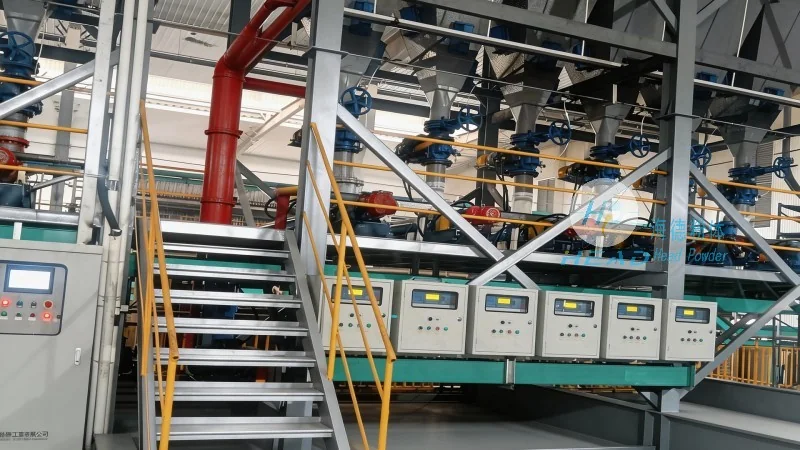
The pneumatic conveying system for inorganic salt crystals operates on the principle of transporting solid particles through a pipeline using a gas stream, typically air. This method eliminates the need for mechanical components like conveyors or buckets, making it ideal for handling materials that are difficult to move via traditional methods. The system comprises several critical components, including a material hopper, a rotary valve, a conveyor pipeline, a pressure vessel or receiver, and a dust collector. The process begins when the inorganic salt crystals are fed into the hopper. A rotary valve then controls the flow of material into the pipeline, where it is carried by the high-velocity air stream. The air, carrying the crystals, moves through the pipeline to the receiving end, where the material is deposited into the pressure vessel or receiver. The air, now containing fine particles, passes through a dust collector to remove the crystalline particles before being discharged or recycled. This closed-loop system ensures minimal environmental impact and efficient material recovery.
Key Working Scene Characteristics of Inorganic Salt Crystal Pneumatic Conveying Systems
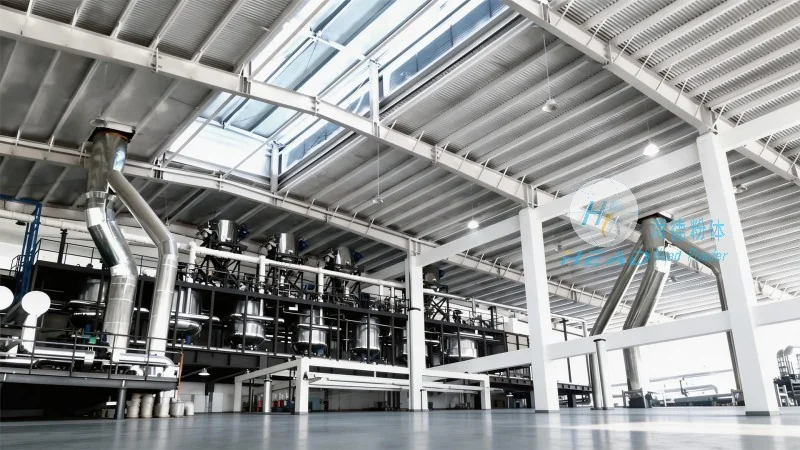
The operational characteristics of inorganic salt crystal pneumatic conveying systems are tailored to meet the specific demands of industrial applications. These systems are particularly suited for environments where dust control is paramount, as the enclosed pipeline design prevents particle dispersion into the atmosphere. The flexibility of the system allows for vertical, horizontal, or mixed (upward and downward) conveying, adapting to various spatial constraints in industrial facilities. Additionally, the system's ability to handle abrasive materials like inorganic salt crystals is enhanced by the use of high-quality materials for the pipeline and components, ensuring durability and long-term performance. Another notable characteristic is the system's scalability, which enables it to accommodate varying production volumes, from small-scale laboratory applications to large-scale industrial operations. The energy efficiency of the system is also a significant advantage, as it minimizes power consumption compared to traditional mechanical conveying methods. Furthermore, the system's integration with other industrial processes, such as packaging or processing lines, allows for seamless material flow, reducing downtime and increasing overall productivity.
Application Scenarios and Benefits in Industrial Settings
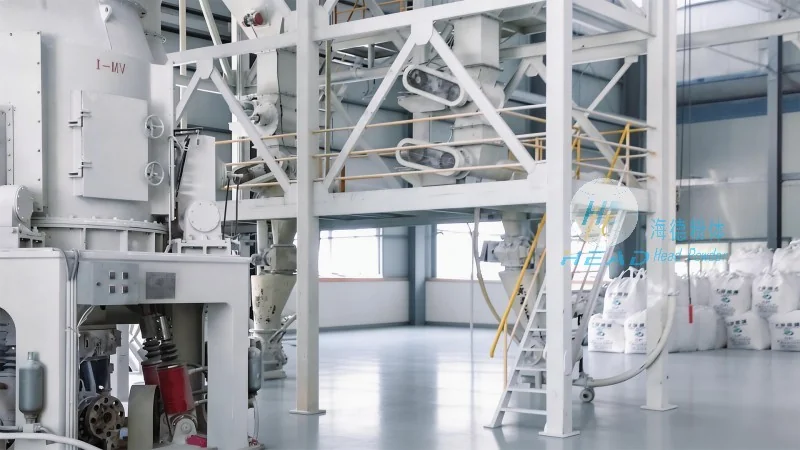
Inorganic salt crystal pneumatic conveying systems are widely applied in various industrial sectors, including chemical manufacturing, food processing, and pharmaceutical production. In the chemical industry, these systems are used to transport raw materials like sodium chloride or potassium chloride, facilitating the production of fertilizers, detergents, and other chemical products. The precision and control offered by the system ensure that the material is delivered to the processing unit in the correct quantity and condition, minimizing waste and improving product quality. In the food industry, the system is employed to handle salt crystals for food preservation and flavoring, where hygiene and contamination control are critical. The enclosed design of the system prevents cross-contamination and maintains the purity of the product, meeting stringent regulatory standards. Similarly, in the pharmaceutical industry, the system is used to transport raw materials for drug formulations, where the need for sterile and dust-free conditions is paramount. The system's ability to operate under controlled pressure and temperature ensures that the material remains stable and free from degradation, contributing to the safety and efficacy of the final pharmaceutical products. Overall, the benefits of using pneumatic conveying systems for inorganic salt crystals include improved operational efficiency, reduced labor costs, enhanced safety, and compliance with environmental regulations.




