Trilithium material pneumatic conveying systems are advanced industrial solutions designed to efficiently transport lithium-based materials, particularly those used in modern battery technologies. These systems play a crucial role in the manufacturing and processing of lithium-ion batteries, ensuring safe, reliable, and high-performance material handling. The following article explores the working principles and key features of such systems, providing insights into their functionality and benefits.
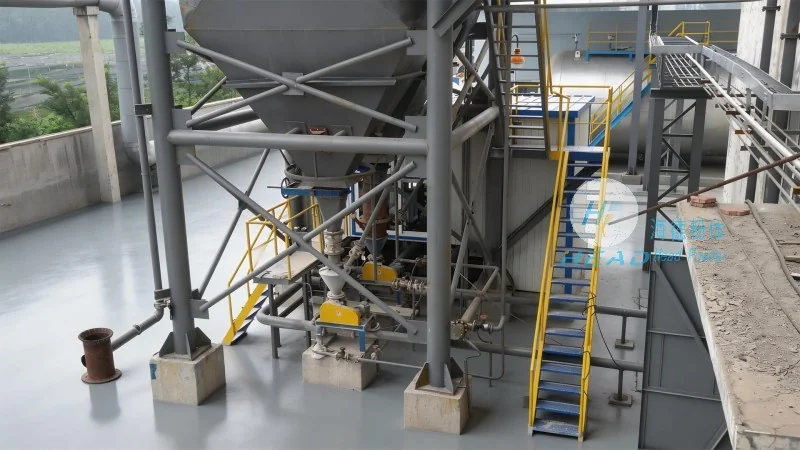
Overview of Trilithium Material Pneumatic Conveying Systems
Trilithium material pneumatic conveying systems utilize air or gas as the primary medium to transport bulk materials, including various lithium compounds and powders, from one location to another within industrial facilities. Unlike traditional mechanical conveyors, which rely on physical components like belts or screws, pneumatic systems offer a flexible and efficient method for handling materials that are often sensitive or difficult to transport through conventional means. The systems are widely used in the battery manufacturing industry due to their ability to maintain material integrity, minimize contamination, and adapt to diverse operational requirements.
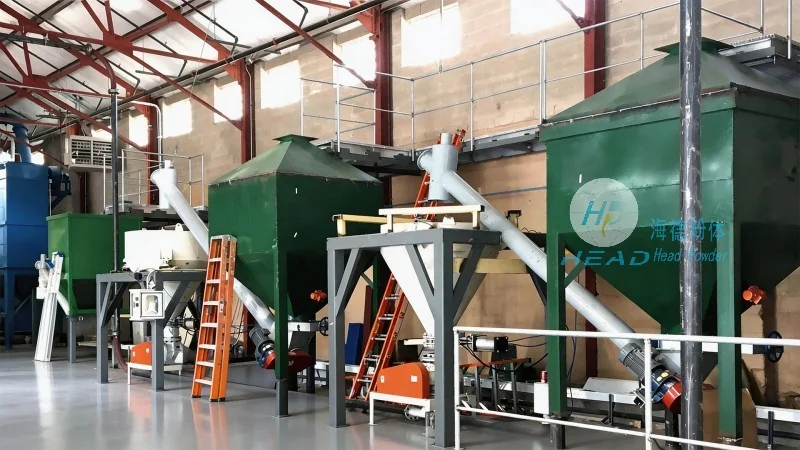
The Working Principle of Trilithium Material Pneumatic Conveying Systems
The core working principle of trilithium material pneumatic conveying systems involves the use of pressure differentials to move material through a pipeline. The system typically consists of a blower or compressor that generates a flow of air or gas, which then carries the material particles through the conveying line. There are two main types of pneumatic conveying systems: dilute-phase and dense-phase. Dilute-phase systems operate at higher velocities, allowing materials to be transported in a suspended state, while dense-phase systems use lower velocities and higher pressure to move material in a more compacted form. For trilithium materials, which are often fine powders, dilute-phase systems are commonly employed due to their efficiency in maintaining particle size and preventing agglomeration. The process begins with the material being fed into a hopper or feeder, where it is then introduced into the conveying line as the air flow is initiated. The air velocity is carefully controlled to ensure that the material particles remain suspended and are transported to the destination point, such as a storage silo or processing unit. The system also includes components like cyclones or filters to separate the material from the air stream, ensuring that the material is collected efficiently and the air is cleaned before being discharged or recirculated.
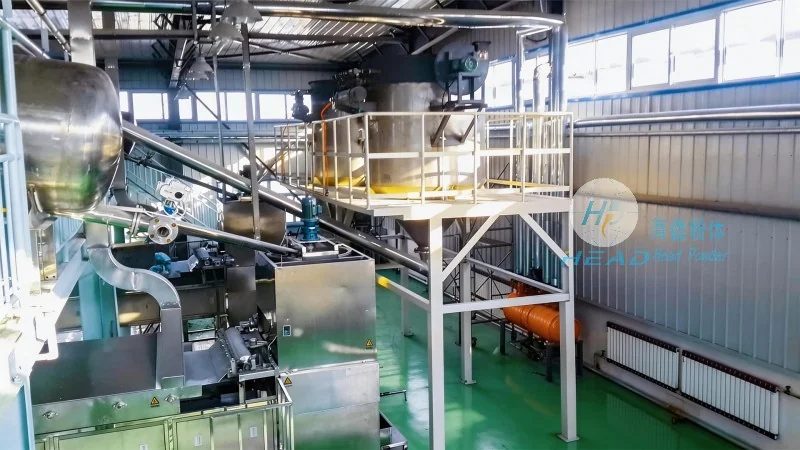
Key Features and Advantages of Trilithium Material Pneumatic Conveying Systems
Trilithium material pneumatic conveying systems offer several distinct features and advantages that make them ideal for handling lithium-based materials. One of the primary benefits is their ability to maintain material purity and prevent contamination, which is critical in battery manufacturing where even small amounts of impurities can affect battery performance and safety. The systems are also highly flexible, allowing for changes in material flow rates and destination points without significant modifications to the infrastructure. Additionally, pneumatic conveying systems are compact and can be installed in tight spaces, making them suitable for facilities with limited floor space. Another key feature is their ability to handle a wide range of material characteristics, including fine powders, granules, and even sticky or abrasive materials, without causing wear and tear on the system components. The systems are also energy-efficient compared to traditional mechanical conveyors, as they use less power to achieve the same material transport capacity. Furthermore, trilithium material pneumatic conveying systems are designed with safety in mind, incorporating features like explosion-proof blower motors and pressure relief valves to prevent accidents and ensure compliance with industry safety standards.
Application Examples in Lithium Battery Manufacturing
Trilithium material pneumatic conveying systems are widely used in various stages of lithium battery manufacturing. For example, in the production of cathode materials, these systems are used to transport lithium compounds, such as lithium cobalt oxide (LCO) or lithium nickel manganese cobalt oxide (NMC), from raw material storage to processing equipment. In the anode production stage, they help transport carbon materials, like graphite, to the mixing and extrusion units. The systems are also employed in the assembly and packaging stages, where they transport finished battery components to the final packaging lines. By ensuring efficient and reliable material transport, these systems contribute to improved production efficiency, reduced downtime, and enhanced product quality in lithium battery manufacturing.
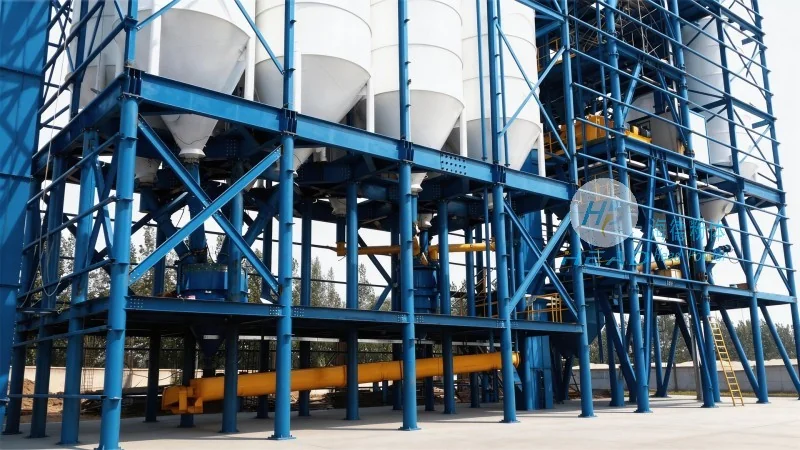
About Shandong HeadPowder Engineering Co., Ltd.
Shandong HeadPowder Engineering Co., Ltd., operating under the brand name headpowder, is a leading provider of advanced material handling solutions, including trilithium material pneumatic conveying systems. With its headquarters located in Shandong, China, the company specializes in designing, manufacturing, and supplying customized pneumatic conveying systems tailored to the specific needs of the battery and lithium material industries. HeadPowder Engineering leverages years of experience and cutting-edge technology to develop high-performance systems that meet the stringent requirements of modern battery manufacturing. The company's commitment to quality, innovation, and customer satisfaction has made it a trusted partner for businesses seeking reliable and efficient material handling solutions. Through continuous research and development, HeadPowder Engineering remains at the forefront of the industry, offering solutions that enhance operational efficiency and support the growth of the lithium battery sector.




