For industrial applications involving the handling of manganese sulfate powder, efficient and reliable conveyor systems are essential. This article provides an in-depth look at the working principle and key features of manganese sulfate powder conveyors, highlighting how they contribute to seamless material transport in various industrial processes.
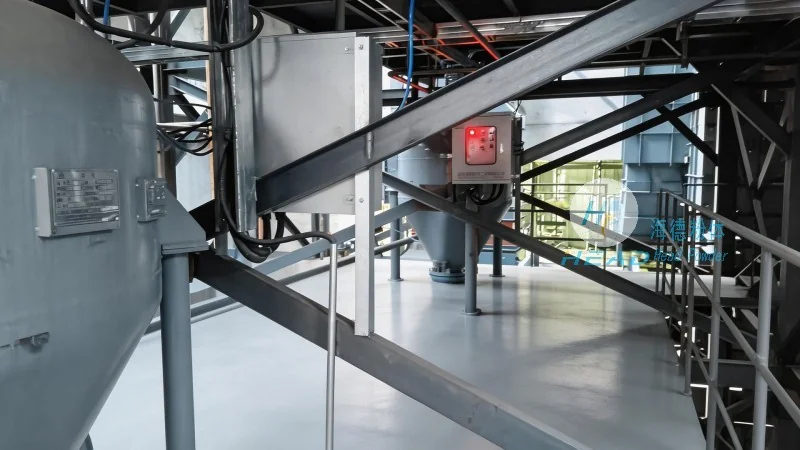
Overview of Manganese Sulfate Powder Conveyors
Manganese sulfate, a critical chemical compound widely used in battery production, agriculture, and water treatment, often requires specialized handling equipment due to its fine powder nature and potential for dust generation. Manganese sulfate powder conveyors are engineered to address these challenges by ensuring safe, efficient, and consistent material transport from storage to processing or packaging stages.
The Working Principle of Manganese Sulfate Powder Conveyors
The core mechanism of manganese sulfate powder conveyors typically involves a combination of mechanical components designed to move the fine powder through a system. The process generally starts with the powder being fed into the conveyor inlet, where it is then transported along a designated path by the conveyor's moving parts. Key components include a hopper for material feeding, a conveyor belt or screw mechanism for movement, and a discharge outlet for material release. The conveyor's design ensures minimal material degradation and dust control, which are critical for maintaining product quality and safety in industrial settings.
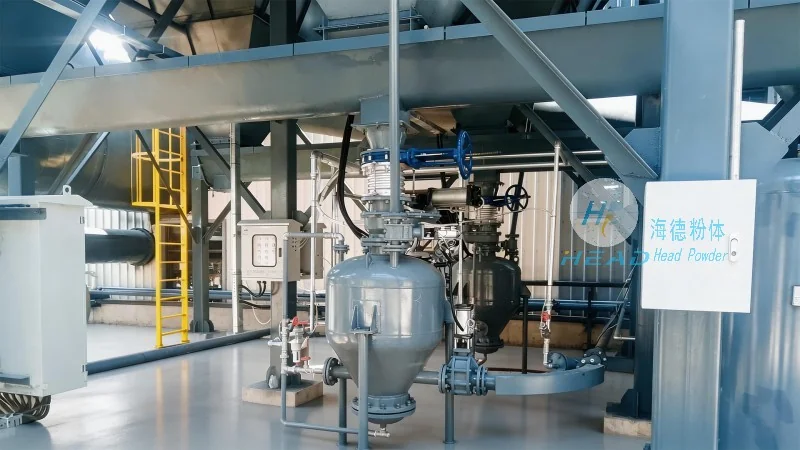
Key Features of Manganese Sulfate Powder Conveyors
When evaluating manganese sulfate powder conveyors, several features stand out as essential for optimal performance. These include:
1. Low Dust Emission Design: Advanced sealing and material handling techniques minimize dust generation, which is crucial for maintaining a safe working environment and complying with industrial safety regulations. The conveyor's construction often incorporates dust-proof seals and enclosed systems to contain powder particles.
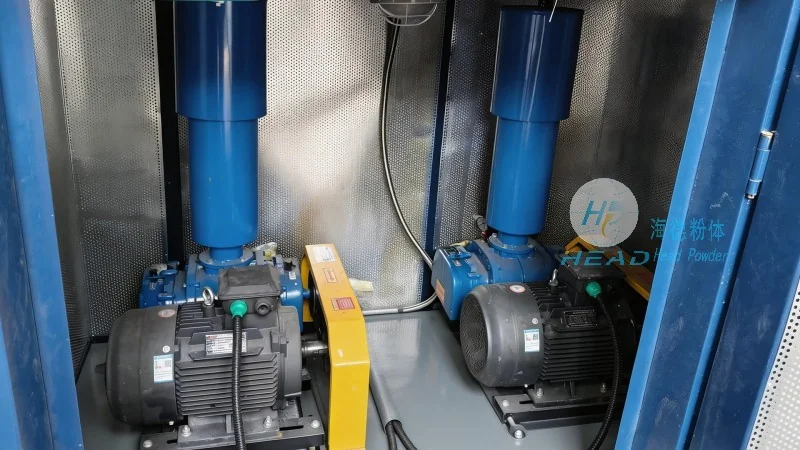
2. High Efficiency and Capacity: Engineered to handle high volumes of manganese sulfate powder, these conveyors are designed for continuous operation with minimal downtime. The robust construction ensures durability and long-term performance, even under heavy load conditions.
3. Easy Maintenance and Cleaning: The design facilitates regular maintenance and cleaning, which is vital for preventing material buildup and ensuring consistent operation. Accessible components and simple maintenance procedures help reduce operational costs and downtime.
4. Customizable Conveying Paths: Many manganese sulfate powder conveyors offer flexible configurations, allowing for customized conveying routes to suit specific industrial layouts and process requirements. This adaptability enhances operational efficiency and integration with existing production lines.
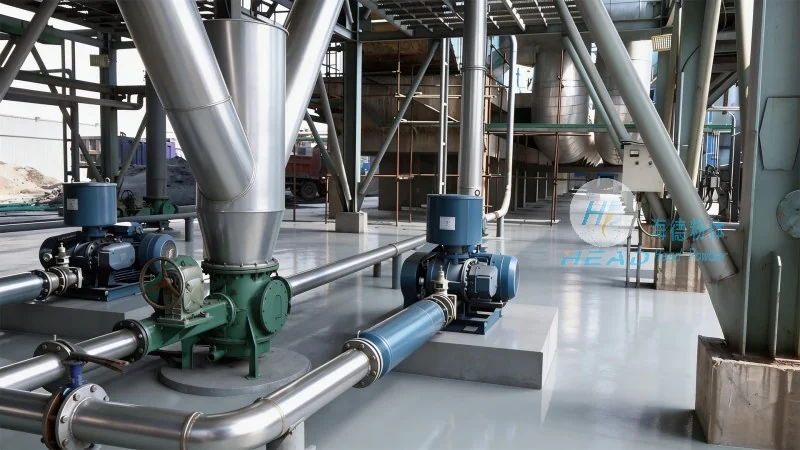
Applications and Benefits in Industrial Settings
Manganese sulfate powder conveyors are widely used in industries where precise material handling is critical. In battery manufacturing, for example, they ensure the accurate delivery of manganese sulfate to production lines, contributing to consistent battery performance. In agricultural applications, they facilitate the efficient transport of manganese sulfate fertilizers, supporting crop nutrition and growth. The benefits of these conveyors extend to improved safety, reduced material loss, and enhanced overall operational efficiency.
Conclusion
Understanding the working principle and features of manganese sulfate powder conveyors is essential for industries relying on this critical chemical. The advanced design and functionality of these systems ensure reliable material transport, minimal dust emission, and high operational efficiency. For businesses seeking to optimize their manganese sulfate handling processes, investing in high-quality conveyors from reputable manufacturers like Shandong HeadPowder Engineering Co., Ltd. can provide significant advantages in terms of productivity and safety.




