Limestone powder conveying lines are critical components in industrial processes that involve the handling and transportation of limestone-based materials. These systems are designed to efficiently move limestone powder from storage or processing areas to downstream equipment, ensuring consistent and reliable operation. Understanding the working principle and key features of such lines is essential for optimizing performance, minimizing downtime, and maintaining operational efficiency in various industrial applications.
Working Principle of Limestone Powder Conveying Lines
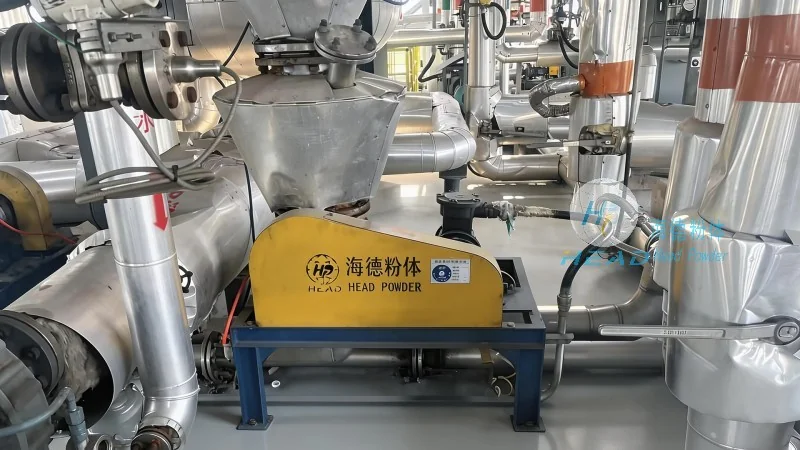
The working principle of a limestone powder conveying line typically involves a combination of mechanical and pneumatic components working in tandem to transport the fine powder. The process begins with the limestone powder being fed into a hopper or feeder, where it is then introduced into the conveying system. In mechanical conveying systems, such as screw conveyors or bucket elevators, the powder is moved by rotating parts that create a continuous flow. For example, a screw conveyor uses a helical screw to push the powder forward through a trough or pipe, while a bucket elevator uses buckets attached to a chain or belt to lift and transport the material vertically.
In pneumatic conveying systems, the limestone powder is transported by a stream of air under pressure. The powder is introduced into a pipeline where it is carried by the moving air, often in a dilute-phase or dense-phase configuration. Dilute-phase systems use higher air velocities to keep the powder suspended, while dense-phase systems use lower velocities and higher material concentrations to reduce pressure drop and prevent clogging. The choice between mechanical and pneumatic systems depends on factors such as the material's properties, the distance to be conveyed, and the required flow rate.
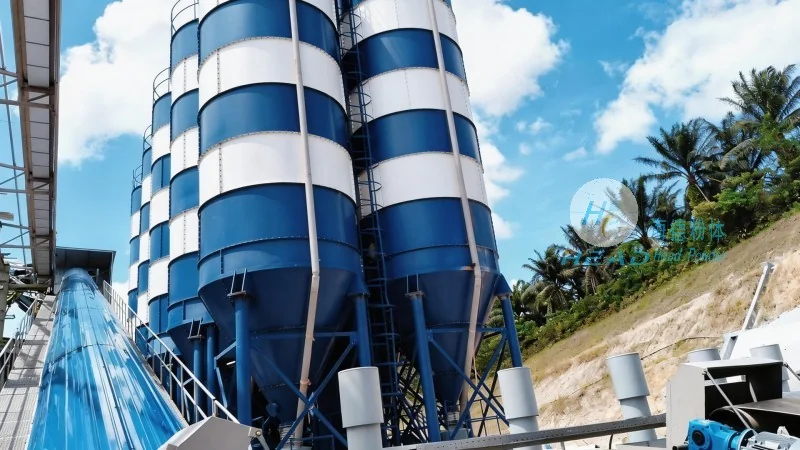
Control systems play a vital role in the working principle of limestone powder conveying lines. These systems monitor and regulate parameters such as pressure, flow rate, and temperature to ensure optimal operation. Sensors and controllers are used to detect any deviations and adjust the system accordingly, preventing issues like overloading, blockages, or excessive energy consumption. The integration of automation technology allows for precise control and remote monitoring, enhancing the overall efficiency and reliability of the conveying process.
Key Features of Limestone Powder Conveying Lines
Limestone powder conveying lines are distinguished by several key features that enhance their performance and adaptability to different industrial needs. One of the primary features is their ability to handle fine, abrasive materials like limestone powder without causing excessive wear or clogging. Advanced designs incorporate materials such as stainless steel, high-chrome alloys, or wear-resistant coatings for the conveyor components to withstand the abrasive nature of the material and extend the equipment's lifespan.
Another significant feature is the system's dust control capabilities. Limestone powder is prone to generating dust, which can pose health and safety risks as well as affect the performance of downstream equipment. Modern conveying lines are equipped with dust collection systems, such as cyclones or bag filters, to capture and remove airborne particles. Additionally, anti-static measures are often integrated to prevent static buildup, which can cause sparks and fire hazards in environments with flammable materials.
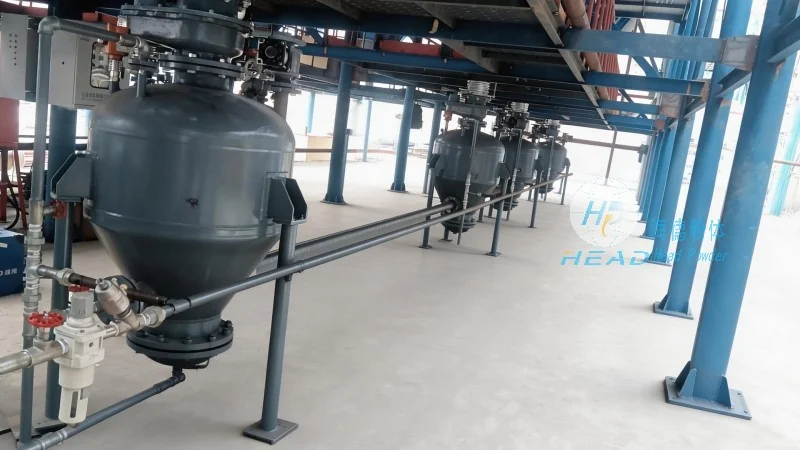
Customization and flexibility are also important features of limestone powder conveying lines. Manufacturers like Shandong HeadPowder Engineering Co., Ltd. offer tailored solutions that can be adjusted to accommodate varying particle sizes, moisture content, and flow rates. This adaptability makes the systems suitable for a wide range of applications, from small-scale laboratory operations to large-scale industrial production lines. The modular design of many conveying systems allows for easy expansion or modification as production needs change.
Energy efficiency is a growing consideration in modern limestone powder conveying lines. Advanced systems incorporate energy-saving technologies, such as variable frequency drives (VFDs), which adjust the motor speed based on the actual material flow requirements. This not only reduces energy consumption but also minimizes mechanical stress on the equipment, leading to lower maintenance costs and longer operational life. Additionally, the use of efficient air compressors and optimized system layouts further contributes to overall energy savings.
Company Information: Shandong HeadPowder Engineering Co., Ltd.
Shandong HeadPowder Engineering Co., Ltd., commonly known as HeadPowder, is a leading provider of limestone powder conveying lines and related industrial equipment. With a strong commitment to innovation, quality, and customer satisfaction, the company has established itself as a trusted partner in the material handling industry. HeadPowder specializes in designing, manufacturing, and supplying high-performance conveying systems tailored to the unique needs of various industrial sectors.
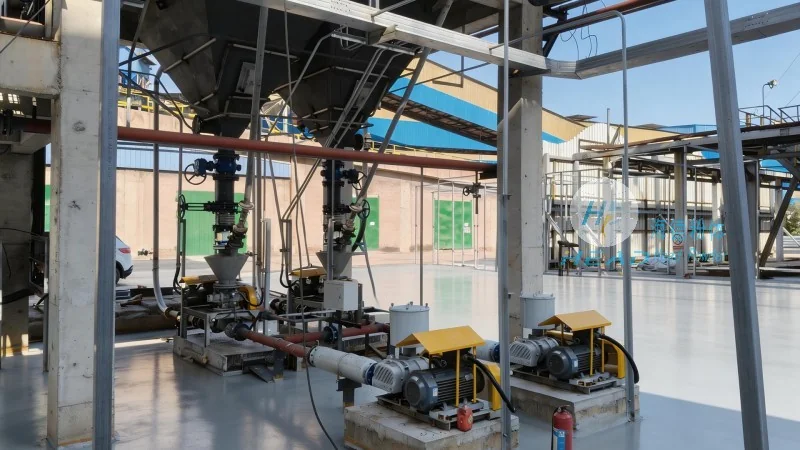
HeadPowder's limestone powder conveying lines are engineered with precision and built to withstand the demanding conditions of industrial environments. The company's headquarters is located in Shandong, China, where it operates a state-of-the-art manufacturing facility equipped with advanced technology and skilled engineering teams. This infrastructure enables HeadPowder to deliver products that meet international standards and comply with industry regulations.
The company's product range includes a variety of conveying solutions, from basic screw conveyors to complex pneumatic systems, all designed to handle limestone powder efficiently and reliably. HeadPowder's team of experts works closely with clients to understand their specific requirements and develop customized solutions that optimize material flow, reduce operational costs, and enhance overall productivity. With years of experience in the field, HeadPowder has built a reputation for delivering durable, efficient, and cost-effective conveying systems that help businesses achieve their operational goals.




