

Working Principle and Features of Calcined Gypsum Pneumatic Conveying Equipment
Shandong HeadPowder Engineering Co., Ltd. specializes in the design, manufacturing, and supply of advanced pneumatic conveying systems, including equipment specifically engineered for the efficient handling of calcined gypsum. This article provides a detailed exploration of the working principle and key features of calcined gypsum pneumatic conveying machines, offering insights into their operational efficiency and technical advantages.
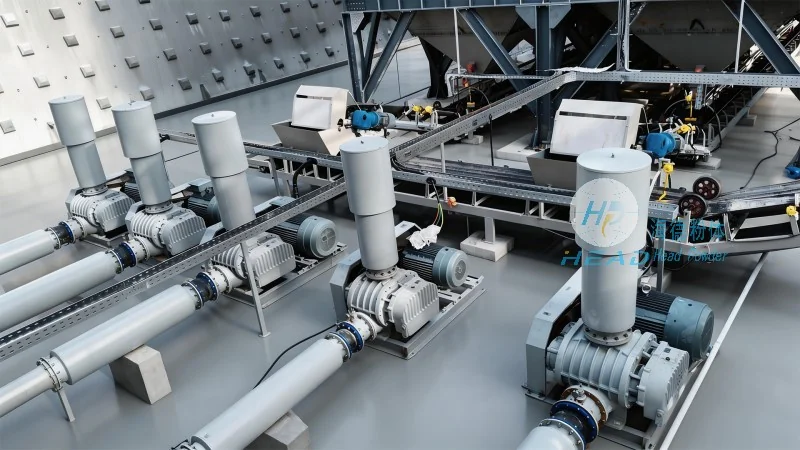
Understanding the Working Principle
The calcined gypsum pneumatic conveying machine operates on the principle of pneumatic transport, which involves the use of a fluid (typically air or a mixture of air and other gases) to move bulk materials through a pipeline system. In the case of calcined gypsum, the equipment is designed to handle this material with precision, ensuring minimal degradation and optimal flow characteristics. The process begins with the material being fed into the conveying system, where it is then accelerated by the moving air stream. The machine utilizes a combination of positive and negative pressure zones to control the flow, allowing for the reliable transportation of calcined gypsum from the source to the destination. Key components such as the feed hopper, rotary valve, and pipeline system work in tandem to maintain consistent material flow and prevent blockages. The system is equipped with pressure sensors and control valves to regulate the air pressure and flow rate, ensuring that the conveying process is both efficient and safe.
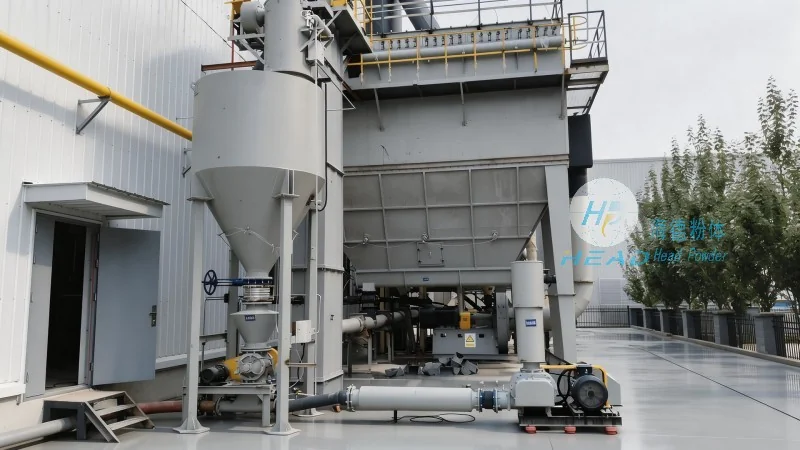
Key Features of the Equipment
Calcined gypsum pneumatic conveying machines from Shandong HeadPowder Engineering Co., Ltd. are characterized by several notable features that enhance their performance and reliability. One of the primary features is the robust construction, which is designed to withstand the abrasive nature of calcined gypsum, ensuring long-term durability and minimal maintenance requirements. The equipment incorporates advanced sealing technology to prevent material leakage and maintain airtight operation, which is crucial for maintaining product quality and reducing environmental impact. Additionally, the system is equipped with adjustable speed controls, allowing operators to optimize the conveying rate based on the specific requirements of the application. The use of high-quality materials in the construction of the pipeline and components further enhances the equipment's resistance to corrosion and wear, extending its operational lifespan. Another significant feature is the integration of safety mechanisms, including pressure relief valves and emergency shut-off systems, which provide an added layer of protection during operation. The machine also features user-friendly control panels with digital displays, enabling operators to monitor key parameters such as pressure, flow rate, and material level in real-time. This allows for quick adjustments and troubleshooting, improving overall operational efficiency.
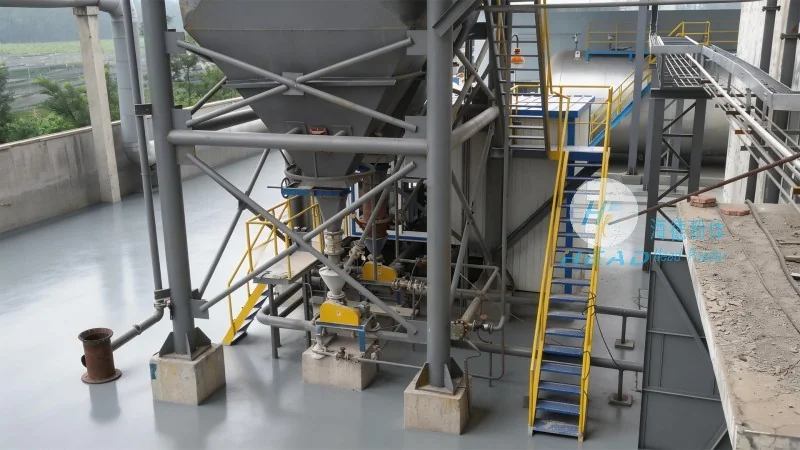
Operational Advantages and Applications
The calcined gypsum pneumatic conveying equipment offers several operational advantages that make it an ideal choice for industrial applications. The primary advantage is the ability to transport calcined gypsum over long distances without the need for intermediate storage or handling, which reduces the risk of material degradation and contamination. The system is also highly flexible, allowing for the integration with existing production lines and the adaptation to various conveying requirements. The low maintenance requirements and high reliability of the equipment contribute to reduced downtime and operational costs, making it a cost-effective solution for industrial operations. The equipment is commonly used in the construction industry for the transport of calcined gypsum to manufacturing facilities, as well as in the production of gypsum products such as drywall and plaster. Additionally, the system is suitable for applications in the chemical and pharmaceutical industries where the handling of fine powders is required. The ability to maintain a consistent flow rate and prevent material segregation further enhances the equipment's suitability for these applications.