

What is an Inorganic Salt Material Pneumatic Conveying Machine? What Are Its Design Principles?
Inorganic salt materials, such as sodium chloride, potassium chloride, and various industrial salts, are widely used in chemical, food, and pharmaceutical industries. The efficient and reliable transportation of these materials is crucial for industrial processes. Pneumatic conveying machines have emerged as a key solution for handling inorganic salt materials due to their ability to transport bulk materials over long distances without the need for mechanical components like belts or buckets. This article explores the concept of inorganic salt material pneumatic conveying machines and delves into their design principles.
Understanding Pneumatic Conveying Technology
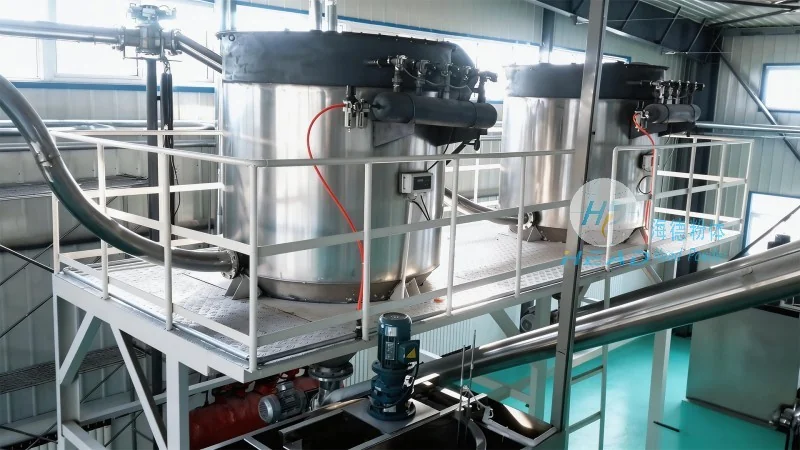
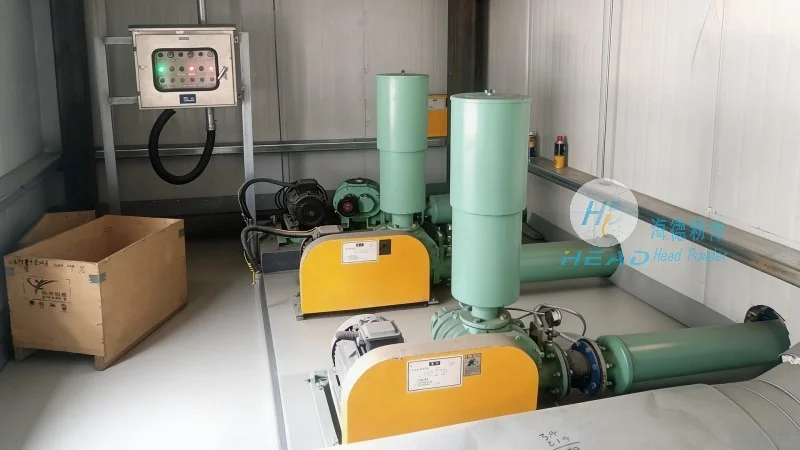
Pneumatic conveying, also known as air conveying, is a method of transporting bulk materials using a stream of air. The process involves creating a pressure difference between the conveying line and the ambient air, which propels the material through the system. For inorganic salt materials, the choice of conveying system depends on factors like material properties, particle size, and the required conveying distance. There are two main types of pneumatic conveying systems: pressure and vacuum. Pressure systems use compressed air to push the material, while vacuum systems use a vacuum to pull the material. Inorganic salt materials often require pressure systems due to their density and the need for high conveying velocities to prevent material degradation or blockages.
Design Principles of Inorganic Salt Material Pneumatic Conveying Machines
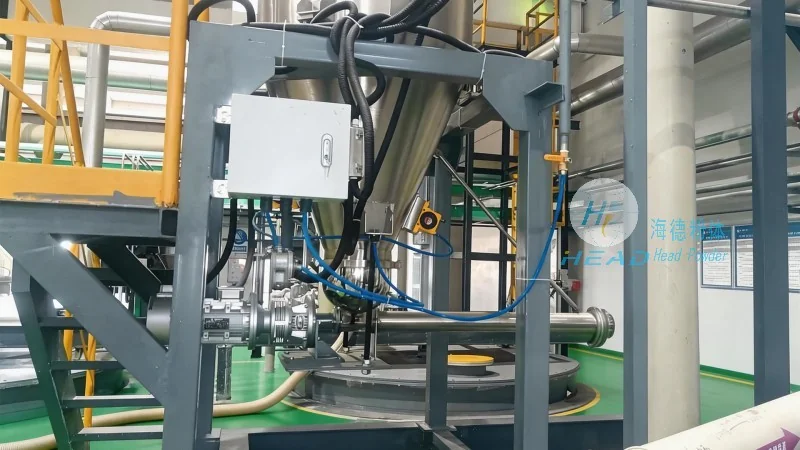
The design of an inorganic salt material pneumatic conveying machine involves several critical components and principles to ensure optimal performance. The key design elements include the hopper, feeder, conveying line, and receiver. The hopper is designed to store the inorganic salt material and provide a uniform feed to the feeder. The feeder, typically a rotary valve or a star feeder, controls the flow rate of the material into the conveying line. The conveying line is made of materials resistant to corrosion and abrasion, such as stainless steel or polyethylene, to withstand the harsh nature of inorganic salts. The receiver is used to collect the material at the destination point and may include a dust collection system to prevent environmental contamination.
Key Components and Their Functions
Each component of the inorganic salt material pneumatic conveying machine plays a vital role in the overall system performance. The hopper is designed with a sloped bottom to prevent material bridging and ensure smooth discharge. The feeder is calibrated to maintain a consistent flow rate, which is essential for preventing pressure fluctuations in the conveying line. The conveying line is equipped with bends and elbows that are carefully designed to minimize pressure loss and prevent material accumulation. The receiver is often fitted with a filter or a cyclone to separate any fine particles from the air stream, ensuring compliance with environmental regulations.
Advantages of Using Pneumatic Conveying for Inorganic Salts
Compared to traditional mechanical conveying systems, pneumatic conveying offers several advantages for inorganic salt materials. These include the ability to transport materials over long distances without the need for intermediate transfer points, reduced risk of contamination due to enclosed systems, and lower maintenance costs as there are fewer moving parts. Additionally, pneumatic conveying can handle a wide range of particle sizes and material densities, making it suitable for various industrial applications. The system is also flexible, allowing for easy integration with existing production lines and the ability to adjust conveying rates as per production needs.
Applications in Industrial Settings
Inorganic salt material pneumatic conveying machines are widely used in various industrial sectors. In the chemical industry, they are used to transport raw materials like sodium hydroxide and potassium carbonate. In the food industry, they are employed to handle salt for food processing and preservation. The pharmaceutical industry also utilizes these systems to transport active ingredients and excipients. The versatility of pneumatic conveying makes it an ideal choice for these applications, as it can handle materials with varying properties and ensure a consistent supply of raw materials to production lines.
Considerations for Design and Installation
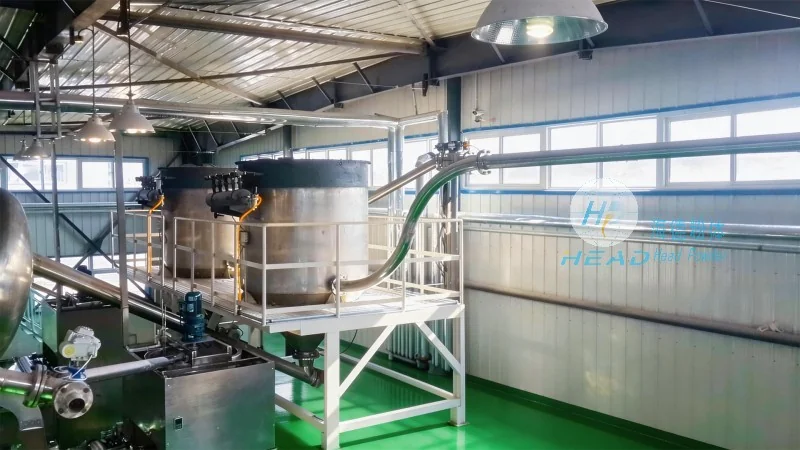
When designing and installing an inorganic salt material pneumatic conveying system, several factors must be considered to ensure optimal performance and longevity. The first consideration is the material properties of the inorganic salt, including its density, particle size distribution, and moisture content. These factors influence the choice of conveying velocity and the required pressure. The second consideration is the conveying distance and the number of bends in the system, as these affect the pressure drop and the overall system efficiency. The third consideration is the environmental regulations and safety standards, which may require the installation of dust collection systems and explosion-proof components. Proper maintenance and regular inspections are also crucial to prevent system failures and ensure the longevity of the equipment.
Conclusion
Inorganic salt material pneumatic conveying machines are essential equipment for the efficient and reliable transportation of inorganic salt materials in various industrial applications. The design principles, components, and advantages of these systems make them a preferred choice over traditional mechanical conveying methods. By understanding the key design elements and operational considerations, industries can select and implement the most suitable pneumatic conveying system for their specific needs. As technology advances, these systems continue to evolve, offering improved efficiency, reliability, and environmental compliance, making them a vital component of modern industrial operations.