Clay ash, a byproduct often generated in industrial processes such as power generation and manufacturing, requires efficient and reliable transportation methods to move it from production sites to disposal or processing facilities. The choice of conveying method significantly impacts operational efficiency, cost, and environmental compliance. This article explores common clay ash conveying methods, with a particular focus on pneumatic conveying systems, and highlights the expertise of Shandong HeadPowder Engineering Co., Ltd. (commonly known as HeadPowder) in providing tailored solutions for clay ash handling.
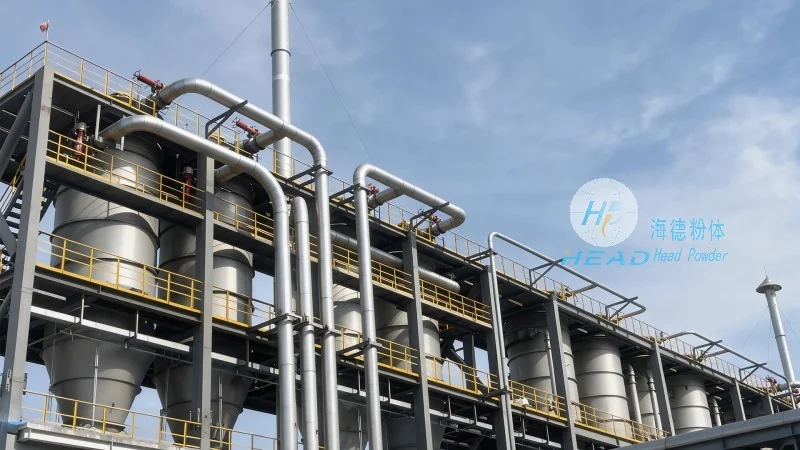
Understanding Clay Ash and Its Conveying Challenges
Clay ash, also known as fly ash when mixed with clay components, is a fine particulate material that poses unique challenges for transportation. Its properties, including particle size, moisture content, and bulk density, influence the selection of an appropriate conveying system. Traditional methods like belt conveyors or screw conveyors may struggle with fine, dusty materials, leading to issues such as clogging, material degradation, and increased maintenance costs. Pneumatic conveying, however, offers a more effective solution by utilizing air to transport the material through pipes, minimizing the risk of blockages and ensuring consistent flow.
HeadPowder: A Leader in Clay Ash Conveying Solutions
Shandong HeadPowder Engineering Co., Ltd., based in Shandong, China, specializes in engineering and manufacturing advanced conveying systems tailored to the needs of industrial clients. With years of experience in the field, HeadPowder has developed a reputation for delivering reliable, efficient, and cost-effective solutions for clay ash handling. The company's expertise lies in designing pneumatic conveying systems that optimize material transport while adhering to safety and environmental standards. By leveraging cutting-edge technology and a deep understanding of material behavior, HeadPowder ensures that its clients can achieve seamless and sustainable clay ash transportation.
Common Clay Ash Conveying Methods
Several methods are employed for clay ash transportation, each with its own advantages and limitations. The most common approaches include:
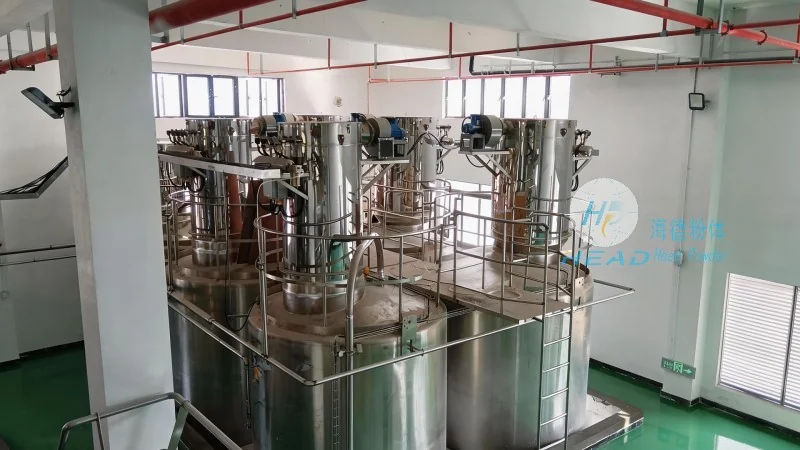
Pneumatic Conveying Systems
Pneumatic conveying is widely regarded as the most effective method for transporting fine, dusty materials like clay ash. This system uses compressed air to move the material through a network of pipes. There are two primary types of pneumatic conveying: pressure and vacuum. Pressure systems use positive pressure to push the material forward, while vacuum systems use negative pressure to pull it. For clay ash, pressure systems are often preferred due to their ability to handle high volumes and maintain consistent flow rates. HeadPowder specializes in designing pressure pneumatic conveying systems that are tailored to the specific characteristics of clay ash, ensuring optimal performance and minimal downtime.
Belt Conveyors
Belt conveyors are a traditional method for transporting bulk materials, including clay ash. They consist of a continuous belt that moves over rollers or pulleys, carrying the material from one location to another. Belt conveyors are suitable for transporting larger, less dusty materials and can handle high volumes. However, they may not be ideal for fine clay ash due to the risk of material buildup and clogging. Additionally, belt conveyors require regular maintenance to prevent wear and tear, which can increase operational costs over time.
Screw Conveyors
Screw conveyors, also known as auger conveyors, use a rotating screw to move material through a tube. This method is effective for transporting materials with moderate moisture content and particle size. However, screw conveyors are prone to clogging with fine, dusty materials like clay ash, leading to reduced efficiency and increased maintenance. They are also less suitable for long-distance transportation compared to pneumatic systems.
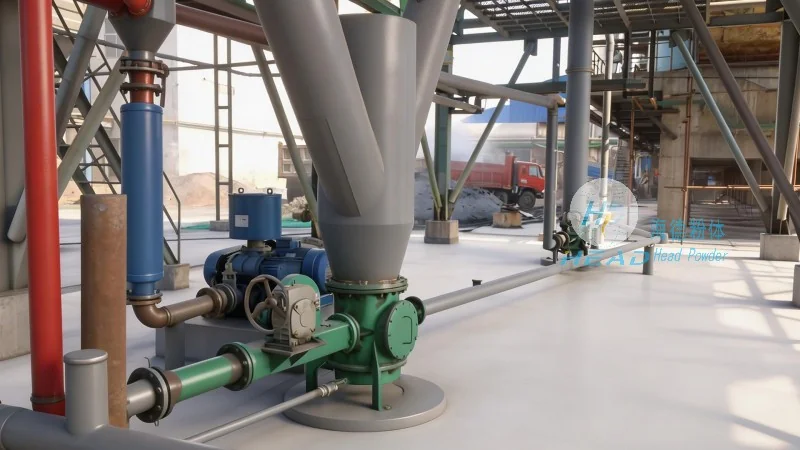
Advantages of Pneumatic Conveying for Clay Ash
Compared to traditional methods, pneumatic conveying offers several advantages for clay ash transportation. First, it minimizes material degradation by reducing friction and impact during transport. Second, it eliminates the need for multiple transfer points, which can reduce the risk of spillage and contamination. Third, pneumatic systems are more flexible, allowing for changes in the conveying route without major modifications. Fourth, they can handle high volumes of material while maintaining consistent flow rates, improving overall operational efficiency. HeadPowder's pneumatic conveying systems are designed to maximize these benefits, ensuring that clients achieve reliable and cost-effective clay ash transport.
Customized Solutions from HeadPowder
HeadPowder understands that each industrial application has unique requirements for clay ash conveying. Therefore, the company offers customized solutions tailored to the specific needs of its clients. By conducting thorough assessments of the material properties, production volumes, and operational constraints, HeadPowder designs pneumatic conveying systems that meet the exact specifications of the client. The company's team of engineers works closely with clients to ensure that the final solution is not only efficient but also compliant with local regulations and safety standards. HeadPowder's commitment to quality and customer satisfaction has made it a trusted partner for businesses seeking reliable clay ash conveying solutions.
Conclusion
In conclusion, the choice of clay ash conveying method is critical to the success of industrial operations. While traditional methods like belt and screw conveyors have their uses, pneumatic conveying offers superior performance and reliability for fine, dusty materials like clay ash. Shandong HeadPowder Engineering Co., Ltd. provides expertly engineered pneumatic conveying systems that address the unique challenges of clay ash transportation. With its focus on customization, efficiency, and compliance, HeadPowder is the ideal partner for businesses seeking to optimize their clay ash handling processes. By leveraging HeadPowder's expertise, companies can achieve seamless, cost-effective, and sustainable clay ash transportation, enhancing their overall operational performance.




