Graphite, a versatile material widely used in various industrial applications, requires efficient and reliable conveying methods to ensure smooth production processes. The choice of conveying method significantly impacts operational efficiency, material integrity, and overall system performance. Among the various options available, graphite pneumatic conveying stands out as a preferred solution for many industries due to its advantages in handling fine powders and maintaining product quality.
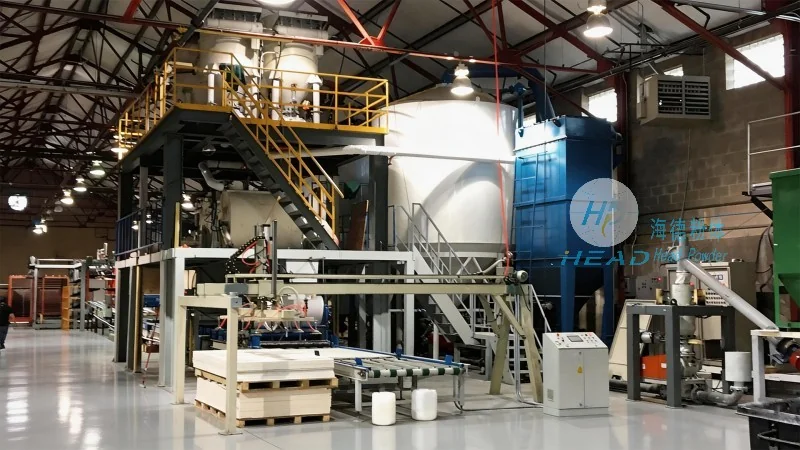
Understanding Graphite Conveying Methods
When it comes to transporting graphite, several methods are employed depending on the specific requirements of the application. The primary categories include mechanical conveying, such as screw conveyors and belt conveyors, and pneumatic conveying systems. Each method has its own set of characteristics, making the selection process critical for optimizing material handling operations.
Graphite Pneumatic Conveying: A Detailed Overview
Graphite pneumatic conveying utilizes air or other gases to transport graphite particles through a pipeline system. This method is particularly effective for handling fine or dusty graphite powders, as it minimizes material degradation and contamination. The process typically involves a blower or compressor that generates airflow, which draws the graphite particles into the pipeline and transports them to the destination point. Key components of a pneumatic conveying system include the air source, material feed hopper, pipeline network, and discharge equipment.
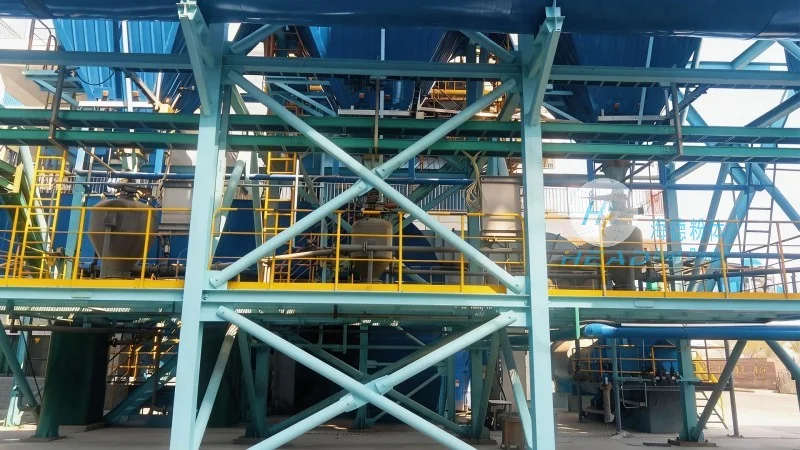
Advantages of Graphite Pneumatic Conveying
Compared to traditional mechanical conveying methods, graphite pneumatic conveying offers several advantages. One of the most significant benefits is the ability to handle fine powders without clogging or blockages, which is common in mechanical systems. Additionally, pneumatic conveying systems are more flexible in terms of layout, allowing for complex pipe configurations to accommodate different production layouts. Another advantage is the reduced risk of material contamination, as the system is enclosed and isolated from external environments. This is crucial for applications where graphite purity is essential, such as in the production of high-quality graphite electrodes or lubricants.
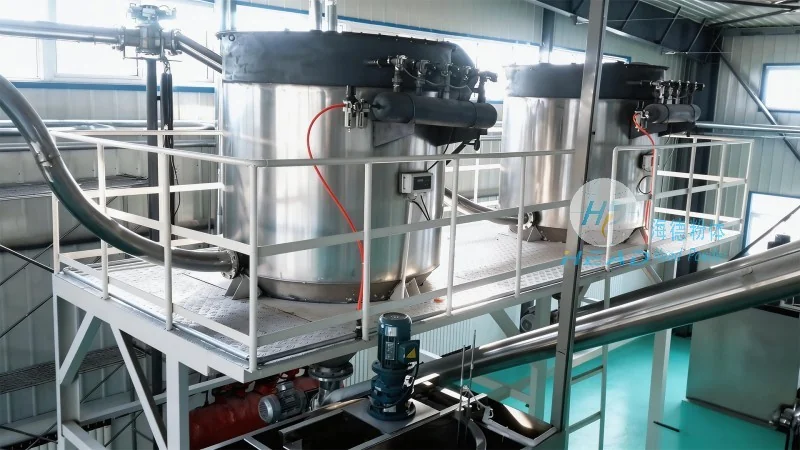
Applications of Graphite Pneumatic Conveying
Graphite pneumatic conveying is widely used in various industries, including the manufacturing of graphite electrodes, lubricants, and refractory materials. In the electrode production sector, for example, pneumatic conveying systems are used to transport graphite powders from storage to mixing and molding equipment. This ensures a consistent and controlled flow of material, which is vital for maintaining the quality and uniformity of the final product. Similarly, in the production of graphite lubricants, the system helps in delivering fine graphite particles to the mixing tanks, ensuring optimal dispersion and performance of the lubricant.
Shandong HeadPowder Engineering Co., Ltd.: Expertise in Graphite Conveying Solutions
For businesses seeking reliable and efficient graphite conveying solutions, Shandong HeadPowder Engineering Co., Ltd. (headpowder) provides comprehensive services tailored to meet industry needs. With a focus on innovation and quality, the company specializes in designing and manufacturing advanced pneumatic conveying systems for graphite and other fine powders. HeadPowder's expertise lies in understanding the unique challenges of graphite handling and developing customized solutions that enhance operational efficiency and product quality. The company's facilities are located in Shandong, China, where it leverages local resources and expertise to deliver high-quality products and services to clients worldwide.




