

What is a Precipitated Barium Sulfate Powder Pneumatic Conveyor? Exploring Its Design Principles
Understanding the Precipitated Barium Sulfate Powder Pneumatic Conveyor and Its Design Principles
Introduction to Precipitated Barium Sulfate Powder Pneumatic Conveyor
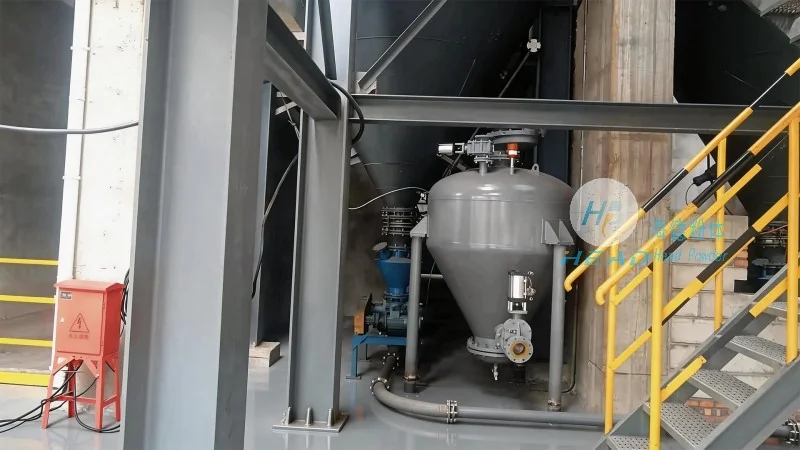
A precipitated barium sulfate powder pneumatic conveyor is a specialized piece of equipment designed to transport fine powder materials, such as precipitated barium sulfate, through a pipeline using air or gas as the conveying medium. This technology is widely used in industries where the handling of delicate or sensitive powders is required, offering advantages like dust-free operation, low maintenance, and the ability to transport materials over long distances without the need for mechanical components like belts or buckets. The equipment is particularly suitable for applications involving high-purity barium sulfate, which is commonly used in coatings, plastics, and pharmaceuticals.
HeadPowder Engineering: A Leading Provider of Pneumatic Conveying Solutions
HeadPowder Engineering, a company based in Shandong, China, specializes in the design, manufacturing, and supply of advanced pneumatic conveying systems. With years of experience in the field, HeadPowder has developed a reputation for delivering high-quality, customized solutions tailored to the unique needs of their clients. The company’s commitment to innovation and precision engineering ensures that their products meet the stringent requirements of various industrial sectors, including chemical, pharmaceutical, and food processing. By leveraging their expertise in material handling and process engineering, HeadPowder provides reliable and efficient pneumatic conveying systems that enhance productivity and safety in material transport operations.
Core Components and Design of the Pneumatic Conveyor System
The design of a precipitated barium sulfate powder pneumatic conveyor involves several key components that work in harmony to ensure effective and efficient material transport. The primary components include the feeding system, the air supply unit, the conveying pipeline, and the separation and collection system. Each component is carefully engineered to handle the specific characteristics of precipitated barium sulfate, such as its fine particle size, moderate density, and potential for static charge accumulation.
The feeding system is typically equipped with a star or screw feeder, which ensures a consistent and controlled flow of the powder into the conveying pipeline. This prevents blockages and maintains a steady air-powder ratio, which is critical for optimal conveying performance. The air supply unit, often a high-pressure blower or compressor, generates the necessary airflow to move the powder particles through the pipeline. The pressure and flow rate are precisely controlled to match the material's properties and the desired conveying distance.
The conveying pipeline is constructed from materials that are resistant to corrosion and wear, such as stainless steel or special alloys, to withstand the abrasive nature of the barium sulfate particles. The design of the pipeline, including the number and angle of bends, is optimized to minimize pressure loss and prevent particle segregation or agglomeration. The use of smooth, internally lined pipes reduces friction and ensures a uniform flow of the powder-air mixture.
Working Principle of the Pneumatic Conveyor
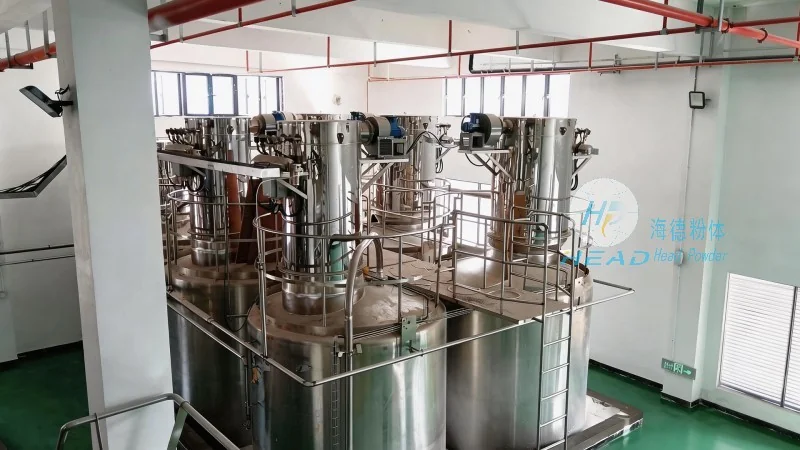
The operation of a precipitated barium sulfate powder pneumatic conveyor is based on the principle of pneumatic transport, where the powder is suspended in a stream of air and carried through the pipeline. There are two main types of pneumatic conveying systems: suction (or vacuum) and pressure systems. The choice of system depends on the application, the distance to be covered, and the characteristics of the material being conveyed.
In a suction system, the conveyor draws the powder from the source using a vacuum created by a fan or blower. The powder is then mixed with the air and transported to the destination, where it is separated from the air and collected. This type of system is suitable for short to medium distances and for handling materials that are prone to dust or require a clean environment. In a pressure system, the air is supplied under pressure from a compressor, pushing the powder through the pipeline. This system is ideal for longer distances and for materials that are more abrasive or have higher bulk densities.
Design Principles for Efficient and Reliable Operation
The design of a precipitated barium sulfate powder pneumatic conveyor follows several key principles to ensure efficiency, reliability, and safety. One of the primary principles is maintaining a proper air-powder ratio, which is the ratio of the volume of air to the volume of powder. An optimal ratio ensures that the powder particles are fully suspended in the air stream, preventing clogging and ensuring smooth transport. The ratio is determined based on the particle size, density, and flow characteristics of the barium sulfate powder.
Another important design principle is the use of appropriate separation and collection equipment. After the powder is conveyed to the destination, it must be separated from the air to prevent dust emissions and ensure the purity of the material. The separation system typically includes a cyclone separator or a bag filter, which uses centrifugal force or filtration to separate the powder from the air. The design of the separator is optimized to handle the specific properties of the barium sulfate powder, ensuring high separation efficiency and minimal loss of material.
Additionally, the conveyor system is designed with safety features to prevent accidents and protect operators. This includes pressure relief valves, emergency shut-off mechanisms, and proper grounding to prevent static buildup. The materials used in the construction of the conveyor are also selected to meet safety and environmental standards, ensuring compliance with regulations in the regions where the equipment is used.
Customization and Application Flexibility
HeadPowder Engineering recognizes that each industrial application has unique requirements, and therefore, they offer customized pneumatic conveying solutions tailored to the specific needs of their clients. The company works closely with customers to understand their process requirements, material characteristics, and operational constraints, and then designs a conveyor system that meets all these factors. This approach ensures that the final product is not only efficient but also cost-effective and easy to integrate into existing production lines.
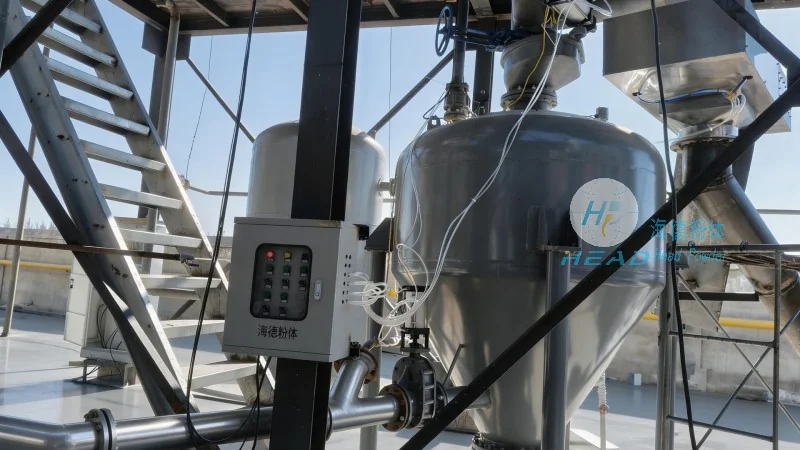
The precipitated barium sulfate powder pneumatic conveyor can be adapted for various applications, including material transfer between different processing stages, storage and handling of raw materials, and waste management. The system can be configured for both batch and continuous operation, depending on the production requirements. The flexibility of the design allows for easy modifications and upgrades as the needs of the industry evolve.
Advantages of Using a Precipitated Barium Sulfate Powder Pneumatic Conveyor
Implementing a pneumatic conveyor system for handling precipitated barium sulfate offers several advantages over traditional mechanical conveying methods. One of the most significant benefits is the elimination of dust and contamination, which is crucial for maintaining the high purity of the barium sulfate, especially in applications like pharmaceuticals and coatings. The enclosed system prevents the release of fine particles into the environment, reducing the risk of inhalation by workers and minimizing the need for additional dust control measures.
Another advantage is the reduced maintenance requirements compared to mechanical systems. Since there are no moving parts in direct contact with the powder, the risk of wear and tear is minimized. This leads to lower maintenance costs and longer equipment life. The system also operates quietly, reducing noise pollution in the workplace and improving the overall working environment.
Furthermore, pneumatic conveyors offer the ability to transport materials over long distances without the need for intermediate storage or handling points. This improves the efficiency of the production process by streamlining material flow and reducing downtime. The system can be integrated with other process equipment, such as mixers, reactors, and packaging machines, to create a seamless material handling operation.
Conclusion
The precipitated barium sulfate powder pneumatic conveyor is a sophisticated and efficient solution for the transport of fine powder materials. Its design, based on pneumatic principles, ensures that the delicate properties of precipitated barium sulfate are preserved while providing reliable and safe material handling. HeadPowder Engineering, with its expertise and commitment to quality, provides state-of-the-art pneumatic conveying systems that meet the demanding requirements of modern industries. By understanding the design principles and components of this equipment, users can make informed decisions about implementing such systems in their operations, leading to improved productivity, reduced costs, and enhanced product quality.