Desulfurization and denitrification agents are critical components in modern industrial processes, particularly in power generation and chemical manufacturing. These agents are used to reduce sulfur dioxide (SO₂) and nitrogen oxides (NOₓ) emissions, which are major contributors to air pollution and environmental degradation. The efficient handling and transportation of these agents are essential for maintaining the performance and safety of the overall system. This article explores the material handling systems designed for desulfurization and denitrification agents, detailing their design principles and operational considerations.
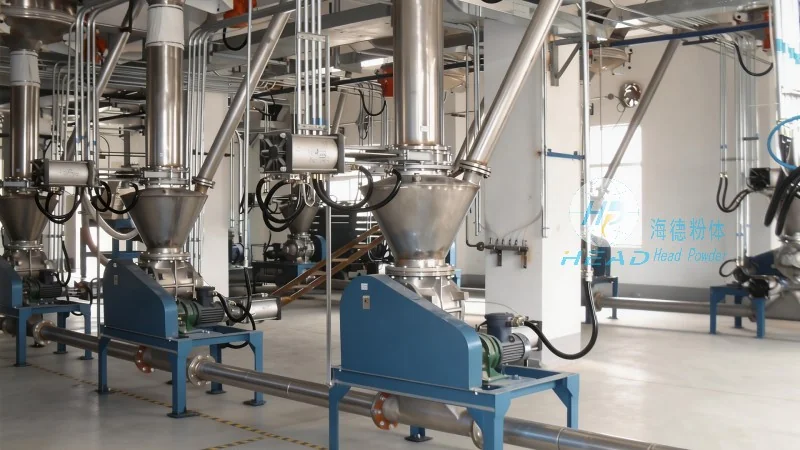
Overview of Desulfurization and Denitrification Agent Material Handling Systems
Desulfurization and denitrification agents, such as lime, limestone, or other reagents, are typically stored in bulk quantities and require specialized equipment for safe and efficient transportation to the reaction points in industrial plants. The material handling system for these agents must address several key challenges, including dust control, material flow consistency, and compatibility with the chemical properties of the agents. A well-designed system ensures that the agents are delivered to the processing units in the correct form and quantity, minimizing downtime and operational risks.
Key Components and Design Principles
The material handling system for desulfurization and denitrification agents typically consists of several interconnected components, each playing a crucial role in the overall operation. The primary components include bulk storage silos or hoppers, conveying equipment (e.g., screw conveyors, pneumatic conveyors, or belt conveyors), feeding mechanisms, and control systems. The design of these components is guided by several fundamental principles to ensure optimal performance and safety.
Firstly, the system must ensure effective dust suppression to prevent airborne particulate matter from contaminating the environment and affecting personnel health. This is often achieved through enclosed conveying systems, dust collection devices, and proper sealing of storage and transfer points. Secondly, the material flow must be consistent and controlled to maintain stable operation of downstream processes. This involves the use of variable speed drives, flow meters, and level sensors to regulate the rate of material discharge. Thirdly, the system must be compatible with the chemical properties of the agents, such as their reactivity, moisture content, and potential for caking or agglomeration. Proper material selection for equipment components (e.g., corrosion-resistant materials for hoppers and conveyors) and regular maintenance are essential to prevent equipment failure and ensure long-term reliability.
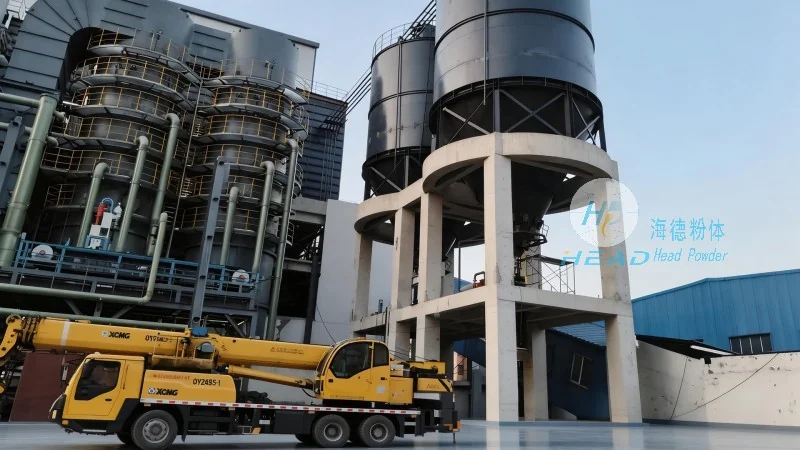
Conveying Methods and Operational Efficiency
Conveying methods are a critical aspect of the material handling system, as they determine how the desulfurization and denitrification agents are transported from storage to the reaction points. The choice of conveying method depends on factors such as the material's bulk density, flow characteristics, and the distance and layout of the plant. Screw conveyors are commonly used for horizontal or slight incline transport due to their simplicity and ability to handle a wide range of materials. Pneumatic conveyors, on the other hand, are suitable for fine powders and can transport materials over longer distances with minimal dust generation. Belt conveyors are often employed for larger particle sizes or bulk materials, providing high capacity and continuous operation.
Operational efficiency is a key consideration in the design of these systems. The system must be able to handle varying feed rates and maintain consistent material flow, even under changing conditions. This is achieved through the integration of control systems that monitor and adjust the conveying speed, feed rate, and pressure as needed. Additionally, the system should incorporate safety features, such as emergency stop mechanisms, overload protection, and leak detection, to prevent accidents and ensure the well-being of operators.
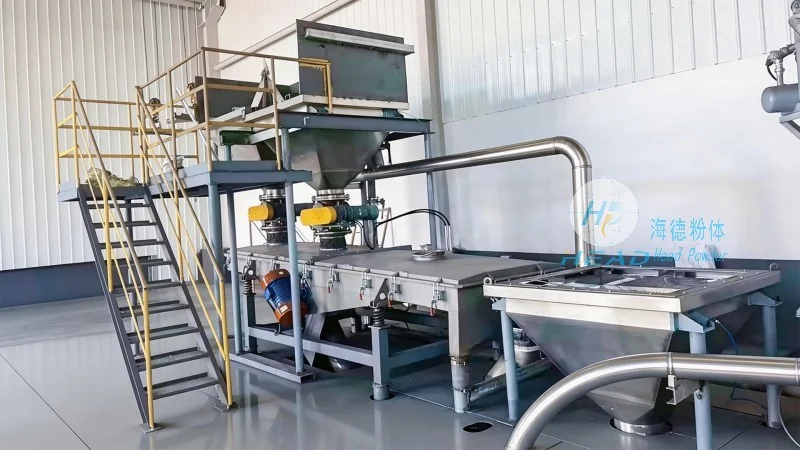
Application and Integration with Industrial Processes
The material handling system for desulfurization and denitrification agents is typically integrated with the broader industrial process, working in conjunction with the reaction units and control systems. The agents are delivered to the reaction points at the precise time and quantity required to achieve the desired emission reduction. The system must be synchronized with the plant's operational schedule, ensuring that the agents are available when needed and that the reaction processes are not interrupted. This integration requires careful coordination between the material handling system and the process control system to maintain optimal performance and minimize waste.
Shandong HeadPowder Engineering Co., Ltd., a leading provider of industrial material handling solutions, specializes in designing and manufacturing systems tailored to the specific needs of desulfurization and denitrification applications. With a focus on innovation and reliability, HeadPowder has developed advanced material handling systems that meet the stringent requirements of modern industrial plants. The company's expertise in material flow engineering, equipment design, and process integration ensures that its systems deliver high performance, low maintenance, and long-term durability. HeadPowder's commitment to quality and customer satisfaction has made it a trusted partner for industries seeking efficient and safe handling of desulfurization and denitrification agents.
The design principles and components of the desulfurization and denitrification agent material handling system are critical to the success of emission control processes in industrial settings. By addressing key challenges such as dust control, material flow consistency, and equipment compatibility, these systems ensure the reliable and efficient operation of desulfurization and denitrification units. The integration of advanced control technologies and robust equipment design further enhances the performance and safety of the overall system. As industries continue to prioritize environmental compliance and operational efficiency, the importance of well-designed material handling systems for desulfurization and denitrification agents will only grow. With the expertise and experience of companies like Shandong HeadPowder Engineering Co., Ltd., industries can achieve optimal performance and compliance with environmental regulations through reliable and efficient material handling solutions.




