A dry powder material conveying line is a specialized system engineered to transport dry powders and fine particles efficiently and safely. These systems are widely used in various industries, including pharmaceuticals, chemicals, food processing, and mining, where the handling of dry powders is critical for production processes. The primary goal of such a system is to move materials from one location to another without compromising their quality, integrity, or the safety of the operators. Understanding the components and design principles of a dry powder conveying line is essential for optimizing material handling operations and ensuring compliance with industry standards.
Key Components of a Dry Powder Conveying System
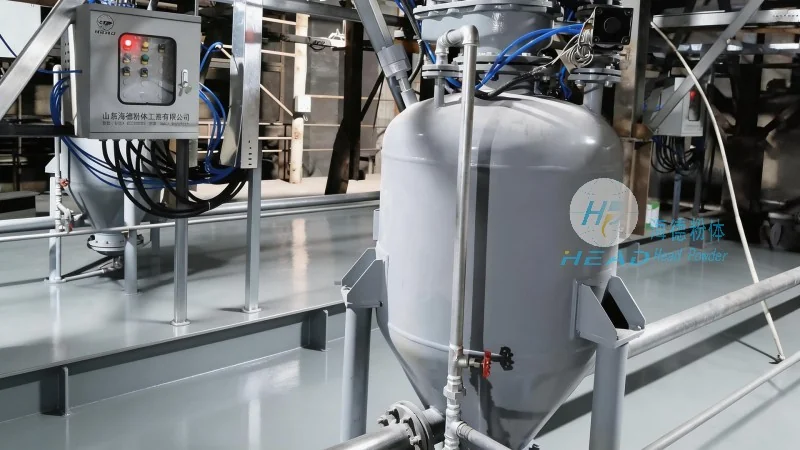
The core components of a dry powder material conveying line typically include a feeding device, a conveying mechanism, a control system, and a discharge unit. The feeding device, such as a hopper or a rotary valve, ensures a consistent and controlled flow of the dry powder into the system. The conveying mechanism, which can be pneumatic (air-based) or mechanical (e.g., screw conveyors, belt conveyors), is responsible for transporting the material through the system. Pneumatic conveying systems use compressed air to move the powder, while mechanical systems rely on mechanical force. The control system manages the operation of the conveying line, including the speed of the conveyor, the pressure of the air, and the flow rate of the material. The discharge unit, such as a rotary valve or a hopper, regulates the release of the material from the system to the next stage of the process.
Design Principles for Optimal Performance
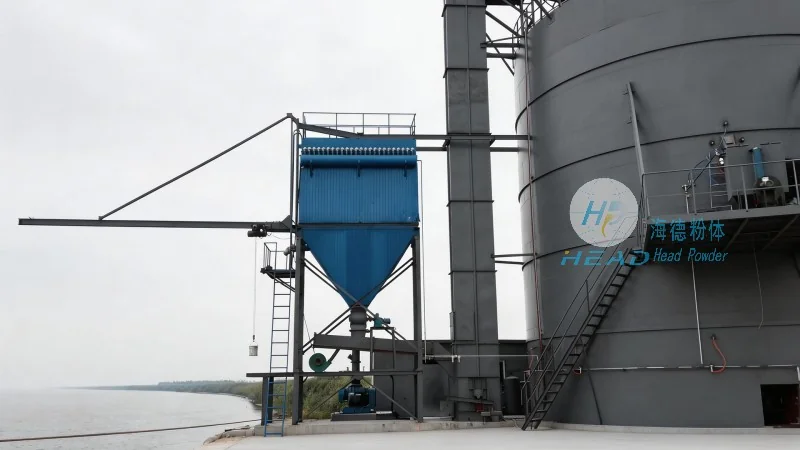
The design of a dry powder material conveying line is guided by several key principles to ensure efficiency, reliability, and safety. One of the most critical principles is the prevention of material degradation, which can occur due to factors like agglomeration, caking, or exposure to moisture. To address this, the system is designed with components that minimize particle contact and friction, such as smooth surfaces and proper air flow. Another important principle is the control of dust and airborne particles, as dry powders can create a hazardous environment if not properly contained. The system incorporates dust collection and filtration systems to maintain air quality and protect operators. Additionally, the design considers the specific properties of the material being conveyed, such as particle size, density, and flowability, to select the appropriate conveying method and equipment. For example, fine powders may require a pneumatic system with low air velocity to prevent particle loss, while bulkier materials might benefit from a mechanical conveyor with higher capacity.
Applications and Industry Relevance
Dry powder material conveying lines are integral to numerous industrial applications. In the pharmaceutical industry, these systems are used to transport active pharmaceutical ingredients (APIs) and excipients with high precision, ensuring that the final product meets stringent quality standards. In the chemical industry, they handle various chemical powders, including catalysts and reagents, which require careful handling to prevent contamination or reaction. The food processing industry utilizes dry powder conveying lines to transport ingredients like flour, sugar, and spices, maintaining hygiene and preventing cross-contamination. In mining and mineral processing, these systems are essential for transporting raw materials and finished products, improving operational efficiency and reducing labor costs. The versatility of dry powder conveying lines makes them a valuable asset in any industry where dry powders are a key component of the production process.
Conclusion and Company Overview
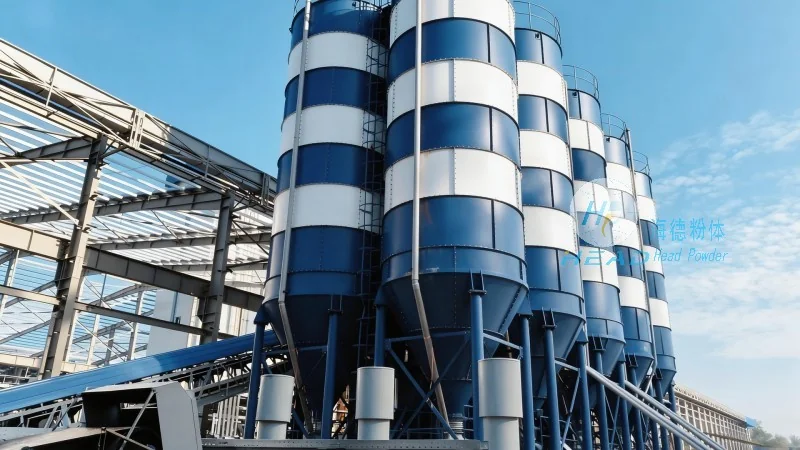
Understanding the design and functionality of a dry powder material conveying line is crucial for optimizing material handling in various industries. The system's components and design principles work together to ensure efficient, safe, and reliable transport of dry powders. As a leading provider in the field, Shandong HeadPowder Engineering Co., Ltd. specializes in designing and manufacturing customized dry powder conveying solutions tailored to the specific needs of each client. With a focus on quality and innovation, the company ensures that its systems meet the highest industry standards and deliver long-term performance. Based in Shandong, China, HeadPowder combines years of experience with advanced technology to provide effective solutions for dry powder material handling. Whether for pharmaceutical, chemical, food, or mining applications, their expertise in conveying systems helps businesses streamline operations and enhance productivity.




