Coal ash, a byproduct of coal combustion in power plants, poses significant challenges for handling and transportation due to its abrasive nature and varying particle sizes. A coal ash material conveying line is a specialized system engineered to efficiently transport this material from its source to disposal or processing facilities. This article explores the fundamental aspects of such systems, focusing on their design principles and operational considerations.
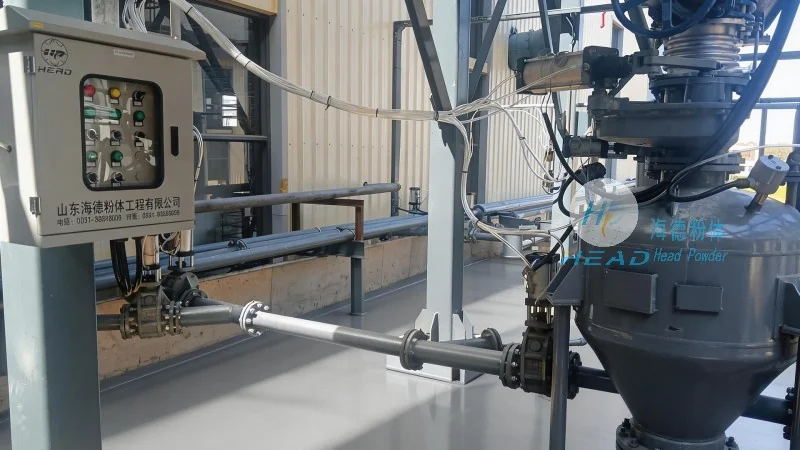
Key Components of a Coal Ash Conveying System
The coal ash material conveying line typically consists of several critical components that work in tandem to ensure reliable and efficient material transport. These include feed hoppers, conveyor belts or screw conveyors, idlers, pulleys, and control systems. Feed hoppers are designed to store and regulate the flow of coal ash, preventing blockages and ensuring a consistent feed rate. Conveyor belts, often made of heavy-duty materials like rubber or polyurethane, are chosen for their durability against the abrasive properties of coal ash. Idlers and pulleys support the belt and facilitate smooth movement, while control systems monitor and adjust the conveyor speed and tension to maintain optimal performance.
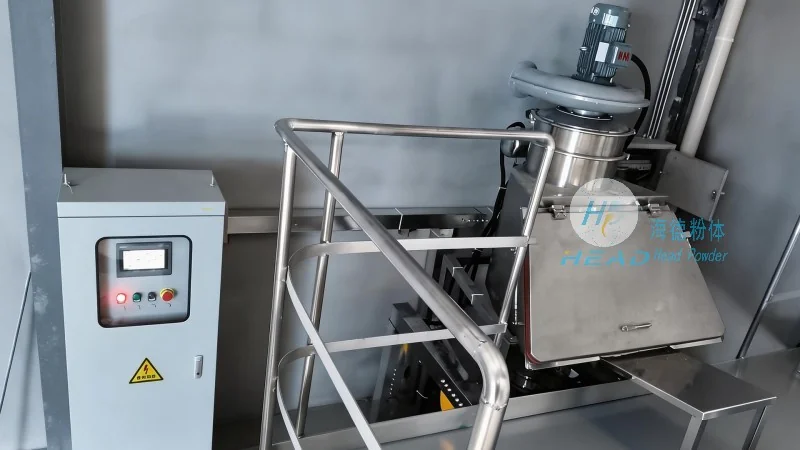
Design Principles for Coal Ash Conveying Lines
The design of a coal ash material conveying line is guided by several key principles aimed at maximizing efficiency, minimizing wear, and ensuring safety. One of the primary considerations is the material's physical properties, such as its density, moisture content, and particle size distribution. These factors influence the choice of conveyor type—whether a belt conveyor, screw conveyor, or pneumatic conveyor is most suitable. For coal ash, which is often dry and has a relatively uniform particle size, a belt conveyor is commonly preferred due to its ability to handle large volumes and its low maintenance requirements. The design also emphasizes the use of wear-resistant materials for components that come into direct contact with the ash, such as the belt surface and idler rollers, to extend the system's lifespan and reduce downtime.
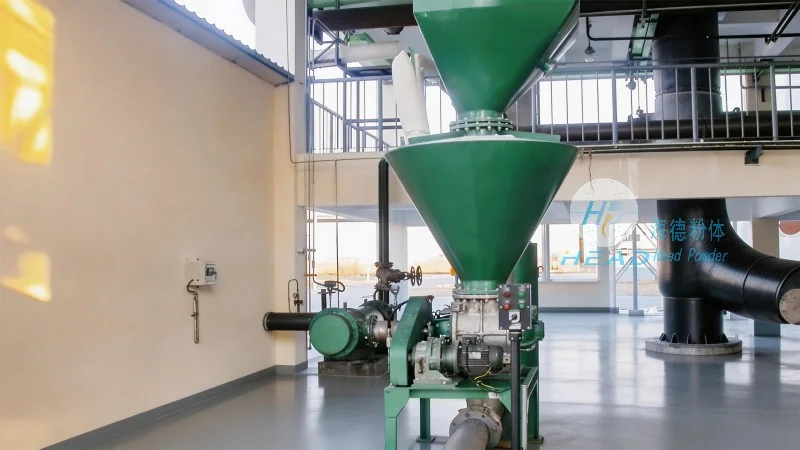
Performance Optimization and Maintenance
Efficient operation of a coal ash material conveying line relies on regular maintenance and performance optimization. Regular inspections of the conveyor belt, idlers, and pulleys are essential to detect and address wear or damage early. Lubrication of moving parts, such as bearings and rollers, helps reduce friction and prevent overheating. Additionally, the control system plays a crucial role in monitoring key parameters like belt tension, speed, and load, allowing for real-time adjustments to maintain optimal performance. By adhering to these maintenance practices and design principles, the conveying line can operate reliably, minimizing operational costs and maximizing throughput.
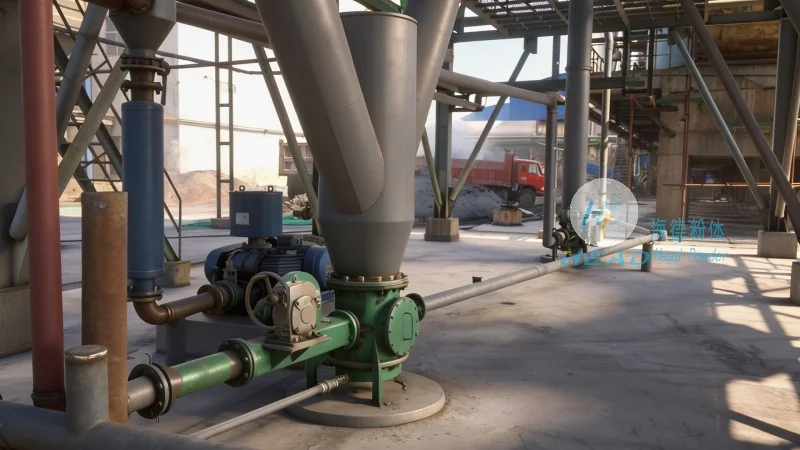
About HeadPowder Engineering
HeadPowder Engineering, a leading provider of material handling solutions, specializes in designing and manufacturing coal ash material conveying lines tailored to the specific needs of power plants and industrial facilities. With years of experience in the industry, HeadPowder Engineering combines advanced engineering expertise with high-quality materials to deliver systems that meet the demanding requirements of coal ash transportation. The company's facilities are located in Shandong, China, where it leverages local resources and expertise to support its clients globally. HeadPowder Engineering is committed to providing reliable, efficient, and cost-effective solutions for coal ash handling, helping clients optimize their operations and reduce environmental impact.




