Continuous material conveying lines are essential systems used in various industrial sectors to transport bulk materials or products from one location to another with high efficiency and reliability. These systems are designed to move materials continuously, often over long distances, and are critical for optimizing workflow in manufacturing, logistics, and processing facilities. Understanding the components and design principles behind these lines is crucial for selecting the right equipment and ensuring smooth operations.
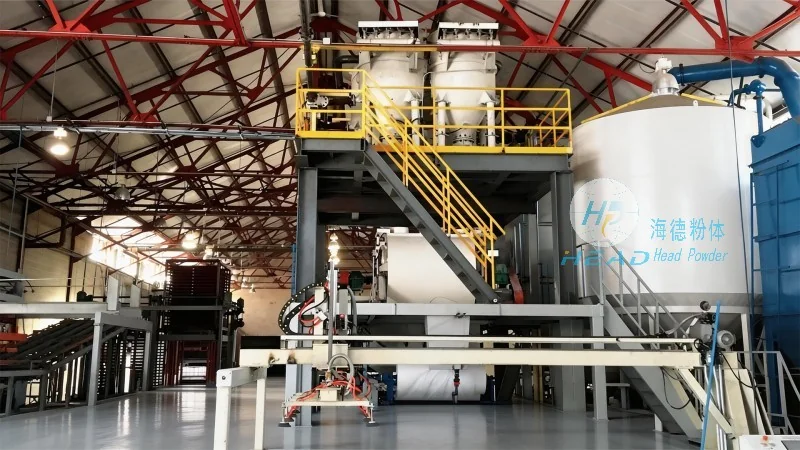
Understanding Continuous Material Conveying Lines
A continuous material conveying line typically consists of a series of interconnected components that work together to move materials. The core elements include a drive system, conveyor belts or rollers, support structures, and control mechanisms. The drive system provides the necessary power to move the conveyor, while the belts or rollers support and transport the material. Support structures ensure the stability of the entire system, and control mechanisms allow for adjustments and monitoring of the conveying process. These components are integrated to create a seamless flow of materials, reducing manual handling and increasing operational efficiency.
Key Design Principles for Efficient Conveying
The design of a continuous material conveying line is guided by several key principles to ensure optimal performance. First, the system must be tailored to the specific characteristics of the material being transported, such as size, weight, and shape. This involves selecting appropriate conveyor types, like belt conveyors for light materials or chain conveyors for heavy loads. Second, the layout must be optimized for the facility's space and workflow. This includes considering the path of the material, the number of transfer points, and the integration with other equipment. Third, the system should be designed for durability and low maintenance. High-quality materials and robust construction help minimize downtime and reduce long-term operational costs. Finally, the design must incorporate safety features to protect workers and comply with industry regulations. These principles collectively ensure that the conveying line operates efficiently, safely, and cost-effectively.
Components and Their Functions in a Conveying System
Each component of a continuous material conveying line plays a vital role in the overall operation. The drive system, often powered by electric motors, provides the force to move the conveyor. It may include gearboxes or variable frequency drives to adjust the speed and torque as needed. The conveyor belt or rollers are the primary means of transporting the material. Belt conveyors use a flat or troughed belt to carry items, while roller conveyors use a series of rollers to support and move items on their edges. Support structures, such as frames and supports, hold the conveyor in place and ensure it remains level and stable. Control mechanisms, including sensors and control panels, monitor the system's performance and allow for adjustments. For example, sensors can detect the presence of materials and trigger the next step in the process, while control panels enable operators to adjust speed or stop the system as required. Together, these components create a cohesive system that efficiently moves materials through the production or logistics process.
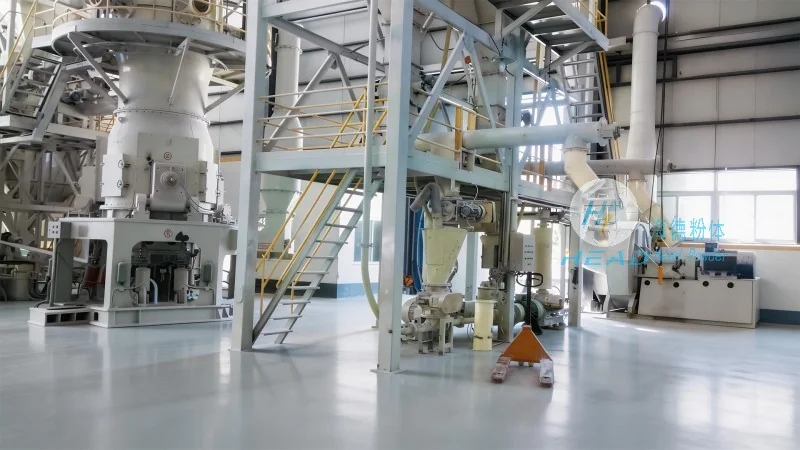
Applications and Industries Using Continuous Conveying Lines
Continuous material conveying lines are widely used across various industries due to their versatility and efficiency. In manufacturing, they are used to transport raw materials to production lines and finished products to packaging areas. In logistics and warehousing, they help move inventory between storage and shipping areas, improving order fulfillment speed. In mining and construction, they transport bulk materials like coal, ore, or gravel. In food processing, they handle ingredients and finished products, ensuring hygiene and safety. The adaptability of these systems makes them suitable for a wide range of applications, from small-scale operations to large industrial facilities. The choice of conveyor type and design depends on the specific industry requirements and the nature of the materials being handled.
Benefits of Implementing Continuous Material Conveying Lines
Adopting continuous material conveying lines offers numerous benefits for businesses. One of the primary advantages is increased efficiency and productivity. By automating material movement, these systems reduce the time and labor required for manual handling, allowing workers to focus on other tasks. This leads to faster production cycles and higher output. Another benefit is improved safety. With automated conveying, the risk of workplace accidents, such as material spills or injuries from manual lifting, is significantly reduced. Additionally, continuous systems enhance product quality by minimizing material damage during transport. The consistent flow of materials also helps maintain quality control standards. Finally, these systems offer cost savings over time. While the initial investment may be significant, the long-term reduction in labor costs, maintenance, and downtime results in substantial savings. Overall, continuous material conveying lines are a valuable investment for businesses looking to optimize their operations and improve overall performance.
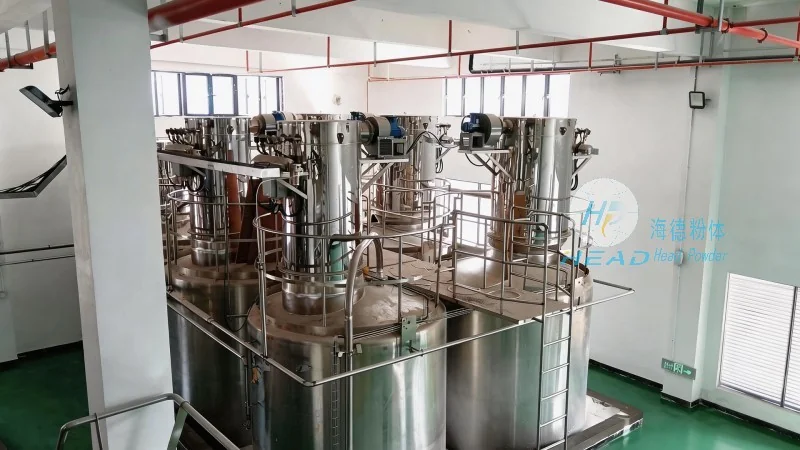
Customization and Integration with Existing Systems
Continuous material conveying lines can be customized to meet the specific needs of a facility. This includes adjusting the conveyor length, width, and speed to fit the space and workflow requirements. Customization may also involve integrating the system with existing equipment, such as sorting machines, packaging lines, or storage systems. For example, a conveyor line can be connected to a sorting machine to separate materials based on size or weight before moving to the next stage. Integration with existing systems ensures seamless operation and maximizes the efficiency of the entire production or logistics process. Customization also allows for the addition of features like accumulation zones, where materials can be stored temporarily, or diverters, which direct materials to different paths. These features enhance the flexibility and adaptability of the conveying line, making it suitable for a variety of applications.
Maintenance and Longevity of Conveying Systems
Proper maintenance is essential to ensure the longevity and reliability of continuous material conveying lines. Regular maintenance helps prevent breakdowns and extends the life of the system. This includes routine checks of the drive system, conveyor belts or rollers, and support structures. For belt conveyors, it is important to inspect the belt for wear and tear, tension, and alignment. For roller conveyors, the rollers should be checked for smooth operation and lubrication. The drive system should be inspected for proper functioning and any signs of wear. Support structures should be checked for stability and any signs of damage. Additionally, cleaning the conveyor system regularly helps prevent material buildup and ensures smooth operation. By following a regular maintenance schedule, businesses can minimize downtime and ensure the conveying line operates efficiently for years. The investment in maintenance pays off in the long run by reducing repair costs and maximizing the system's lifespan.
Conclusion: The Importance of Continuous Material Conveying Lines
Continuous material conveying lines are indispensable in modern industrial operations, providing efficient, reliable, and safe material transport. By understanding the design principles and components of these systems, businesses can select and implement the right equipment to meet their specific needs. The benefits of increased efficiency, improved safety, and cost savings make these systems a valuable addition to any facility. As technology advances, continuous conveying lines continue to evolve, offering new features and capabilities to further enhance operational performance. For businesses looking to optimize their workflow and improve productivity, investing in a well-designed continuous material conveying line is a strategic decision that can yield significant returns. With proper maintenance and customization, these systems can provide long-term value and support the growth of the business.




