Zinc oxide (ZnO) is a critical industrial material used extensively in rubber, plastics, and pharmaceuticals. The efficient and safe transportation of zinc oxide from production sites to processing facilities is a key operational challenge. Traditional methods like belt conveyors or bucket elevators often face issues such as dust generation, material degradation, and high maintenance costs. This article examines various zinc oxide conveying methods and introduces HeadPowder's advanced pneumatic system as a superior solution.
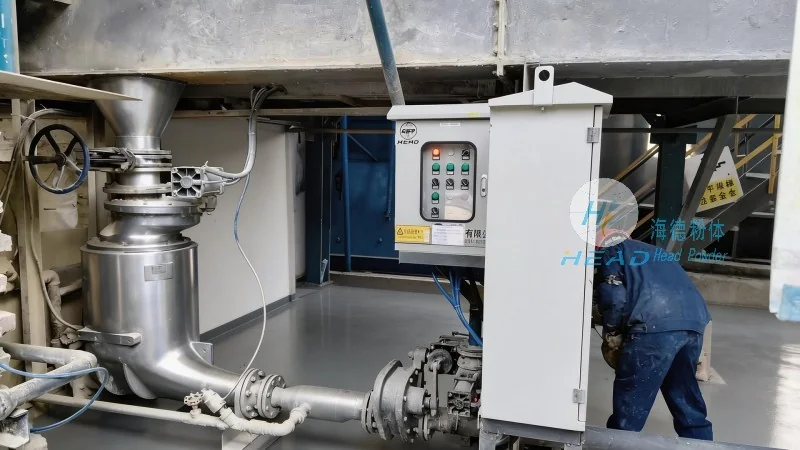
Challenges in Traditional Zinc Oxide Conveying
Conventional bulk material handling systems struggle with zinc oxide's unique properties. The fine-grained nature of zinc oxide makes it prone to dusting, posing health and safety risks. Its abrasive characteristics also lead to rapid wear on equipment, increasing downtime and repair expenses. Traditional methods may also be less energy-efficient, consuming more power for long-distance transport. These limitations highlight the need for specialized conveying solutions.
Overview of Zinc Oxide Conveying Methods
Zinc oxide can be transported via several approaches, each with distinct advantages and drawbacks. Primary options include pneumatic conveying, mechanical conveying (belt and screw conveyors), and hydraulic systems. Pneumatic conveying, in particular, has become popular due to its ability to handle fine powders like zinc oxide with minimal dust and high efficiency.
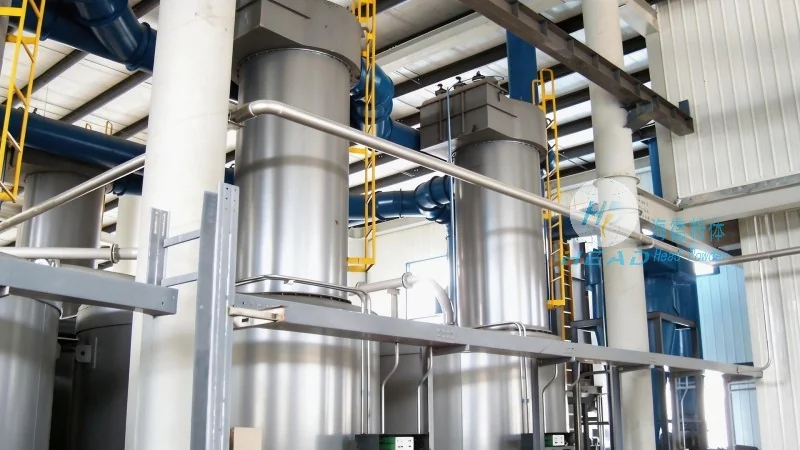
HeadPowder's Pneumatic Conveying System for Zinc Oxide
Shandong HeadPowder Engineering Co., Ltd., a leading material handling solutions provider, has developed a specialized pneumatic conveying system tailored for zinc oxide. This system uses compressed air to transport material in a closed environment, ensuring safety and efficiency. It is engineered to address zinc oxide's specific traits, including its fine particle size and dust propensity.
Key Features of the Pneumatic Conveying System
The pneumatic system from HeadPowder incorporates several critical features. A positive displacement blower provides consistent air pressure and flow rates essential for effective transport. The system includes a hopper and feeder to maintain a steady material supply, preventing blockages. Conveying lines are equipped with filters and dust collection systems to minimize environmental impact and maintain air quality.
Advantages of HeadPowder's System
Implementing HeadPowder's pneumatic system offers significant benefits. It drastically reduces dust exposure, enhancing workplace safety and regulatory compliance. The closed design prevents material loss and contamination, preserving zinc oxide quality. The system is energy-efficient, lowering operational costs compared to traditional methods. Reduced equipment wear also cuts maintenance expenses and extends lifespan. Its flexibility allows easy integration into existing production lines with minimal disruption.
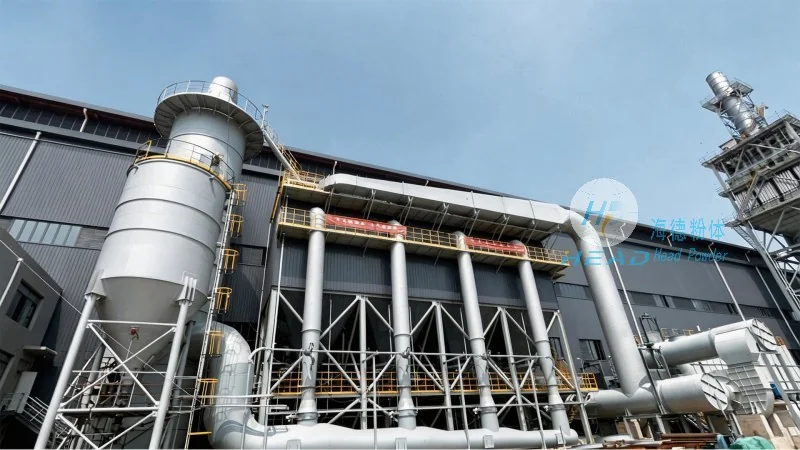
Application Examples
HeadPowder's system has been successfully deployed in diverse industrial settings. For example, in a rubber manufacturing plant, it efficiently transported zinc oxide from storage silos to mixing equipment, ensuring consistent feed rates and reducing downtime. In a pharmaceutical facility, the system maintained material purity and prevented cross-contamination during processing. These applications demonstrate the system's versatility and effectiveness across different industries.
Conclusion
Efficient and safe zinc oxide transportation is vital for industrial operations. While traditional methods have limitations, advanced pneumatic systems like those from Shandong HeadPowder Engineering Co., Ltd. offer reliable, cost-effective solutions. By addressing zinc oxide's unique challenges—such as dust generation and material degradation—the system boosts operational safety, reduces costs, and improves productivity. For industries reliant on zinc oxide, adopting a specialized conveying system is a strategic move leading to long-term operational excellence.




