Understanding the process of silica fume material handling is crucial for industries that rely on this high-performance admixture. Silica fume, also known as microsilica, is a byproduct of silicon metal or ferrosilicon production, and it's widely used in concrete to enhance strength and durability. The efficient handling and transportation of silica fume are essential to ensure consistent quality and minimize operational risks. This article explores the key aspects of silica fume material handling, including the design principles that underpin effective systems.
Key Components of Silica Fume Material Handling Systems
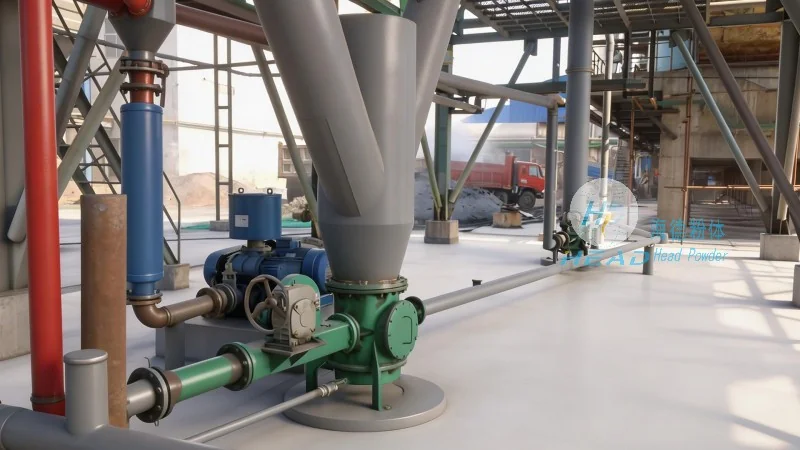
Silica fume material handling systems typically consist of several critical components that work in tandem to ensure safe and efficient operation. The primary elements include storage silos, conveying equipment, feeding mechanisms, and control systems. Storage silos are designed to hold large quantities of silica fume, often with multiple compartments to facilitate segregation and prevent cross-contamination. These silos are constructed from materials like carbon steel or stainless steel, depending on the specific requirements and the potential for chemical reactions with the material. The design of the silos must account for the dustiness of silica fume, as it can create a hazardous environment if not properly contained. Conveying equipment, such as screw conveyors, pneumatic conveyors, or bucket elevators, is used to transport the material from the storage silos to the processing or mixing areas. The choice of conveyor type depends on factors like the material's flowability, the distance to be covered, and the required throughput. Feeding mechanisms, including rotary valves or gate valves, regulate the flow of silica fume from the silos to the conveyors, ensuring a controlled and consistent discharge. Control systems, often integrated with sensors and automation, monitor the level of material in the silos, the flow rate of the conveyor, and the pressure in the system. These systems provide real-time data and alerts, allowing operators to adjust the process as needed and prevent issues like overfilling or underflow.
Design Principles for Efficient Silica Fume Handling
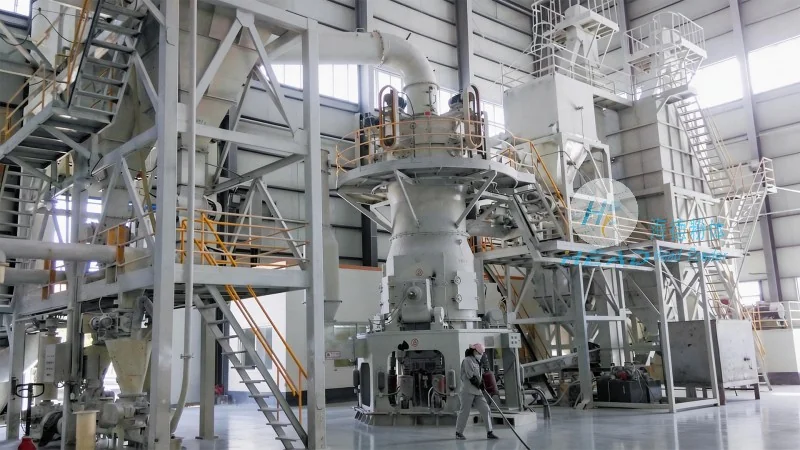
The design of silica fume material handling systems follows several fundamental principles to maximize efficiency, safety, and reliability. One of the core principles is the minimization of dust generation and dispersion. Silica fume is a fine powder that can easily become airborne, posing respiratory hazards and creating operational challenges. To address this, systems incorporate dust collection and suppression measures, such as baghouses or cyclone separators, and use sealed conveying equipment to keep the material contained. Another key principle is the optimization of material flow and pressure. Proper design ensures that the material flows smoothly through the system, reducing the risk of blockages or clogging. This involves selecting appropriate hopper angles, ensuring adequate air pressure in pneumatic systems, and maintaining the correct speed of screw conveyors. The design also considers the material's properties, such as its density and abrasiveness, to select suitable equipment that can withstand the wear and tear. For example, high-abrasion materials may require special coatings or materials for the conveyor components to extend their lifespan. Additionally, the system's layout is designed for ease of maintenance and access. This includes providing clear pathways for equipment inspection and repair, and ensuring that all components are easily reachable without disrupting the entire operation. The integration of automation and monitoring systems is another critical design principle. Modern silica fume handling systems often include sensors for level, temperature, and pressure, as well as control panels that allow operators to adjust settings remotely. This not only improves operational efficiency but also enhances safety by providing early warnings of potential issues. The design must also comply with relevant safety and environmental regulations. This includes measures to prevent dust explosions, proper ventilation systems, and the use of personal protective equipment (PPE) for operators. By adhering to these design principles, silica fume material handling systems can operate effectively while minimizing risks and maximizing productivity.
Applications and Benefits of Silica Fume Material Handling
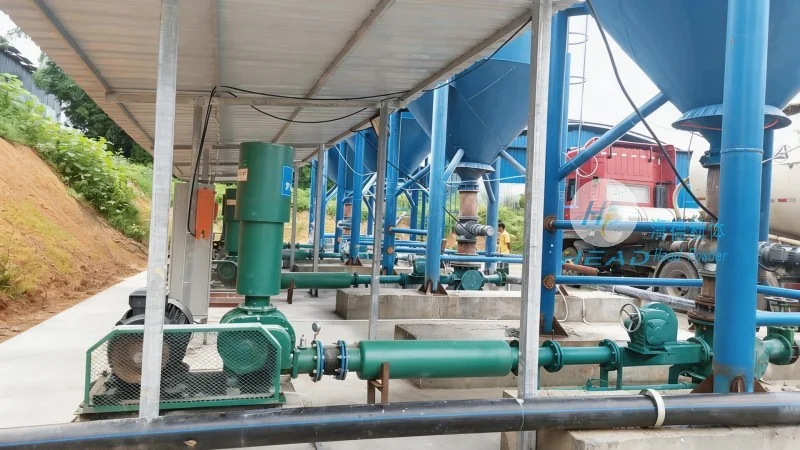
Silica fume material handling systems are widely used in various industries, particularly in the construction sector, where concrete production is a major application. The primary benefit of using silica fume is its ability to enhance the properties of concrete. By adding a small percentage of silica fume to the mix, the concrete's compressive strength and durability can be significantly improved. This makes it ideal for applications that require high-performance concrete, such as bridge decks, high-rise buildings, and infrastructure projects. The efficient handling of silica fume is essential to ensure that the material is added to the concrete mix in the correct proportion and at the right time. This precision is crucial for achieving the desired strength and performance characteristics. Beyond construction, silica fume is also used in other industries, such as refractory manufacturing and foundry applications. In these cases, the material handling systems are tailored to the specific requirements of the application, such as higher throughput or specialized storage conditions. The benefits of an effective silica fume material handling system extend beyond just the material itself. It contributes to overall operational efficiency by reducing downtime and maintenance costs. By minimizing dust and ensuring smooth material flow, the system helps maintain a safe working environment and reduces the risk of accidents. Additionally, the use of automation and monitoring systems can lead to cost savings over time by optimizing energy consumption and reducing waste. The design of the system also plays a role in extending the lifespan of equipment. Properly designed components, such as wear-resistant conveyor parts and sealed silos, can reduce the frequency of replacements and repairs, leading to long-term cost savings. In summary, silica fume material handling systems are critical to industries that rely on this valuable material. The design principles that guide these systems focus on efficiency, safety, and reliability, ensuring that the material is handled effectively while meeting the needs of the application. By understanding these principles and implementing them correctly, companies can achieve optimal performance and minimize operational risks.




