For industries dealing with bulk materials, the efficient and reliable handling of powders and granules is crucial. A key piece of equipment that facilitates this process is the bulk material silo conveyor. This article will explore what a silo conveyor is, its fundamental design principles, and how it operates to ensure optimal material flow and storage management.
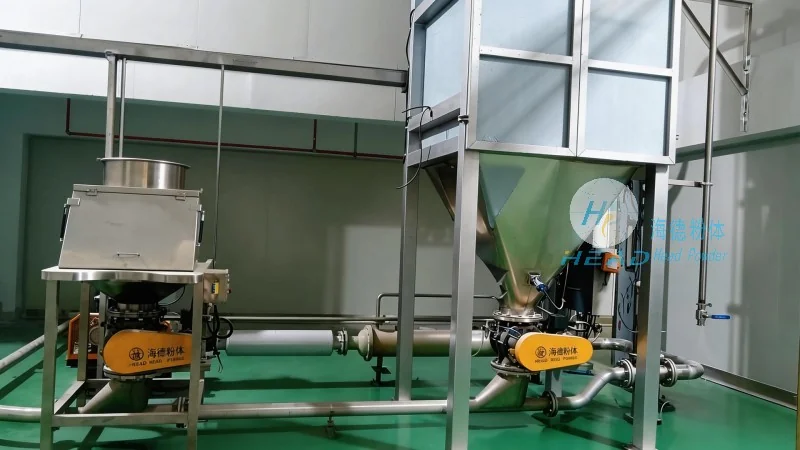
Understanding the Bulk Material Silo Conveyor
A bulk material silo conveyor, also known as a silo feeder or bulk material handling system, is a specialized piece of machinery designed to transport bulk materials from storage silos to processing units or other destinations. These systems are commonly used in industries such as food processing, pharmaceuticals, chemicals, and mining, where the handling of powders, granules, and other bulk solids is essential for production and distribution.
The primary function of a silo conveyor is to regulate the flow of material from a silo, ensuring a consistent and controlled discharge rate. This is critical for maintaining production efficiency and preventing issues like overfilling or underfilling in downstream processes. The equipment typically consists of a hopper, a feeding mechanism, and a conveyor system that can be customized to suit the specific characteristics of the material being handled.
Design Principles of a Bulk Material Silo Conveyor
The design of a bulk material silo conveyor is based on several key principles to ensure its effectiveness and reliability. These principles include material flow control, mechanical durability, and adaptability to different material properties.
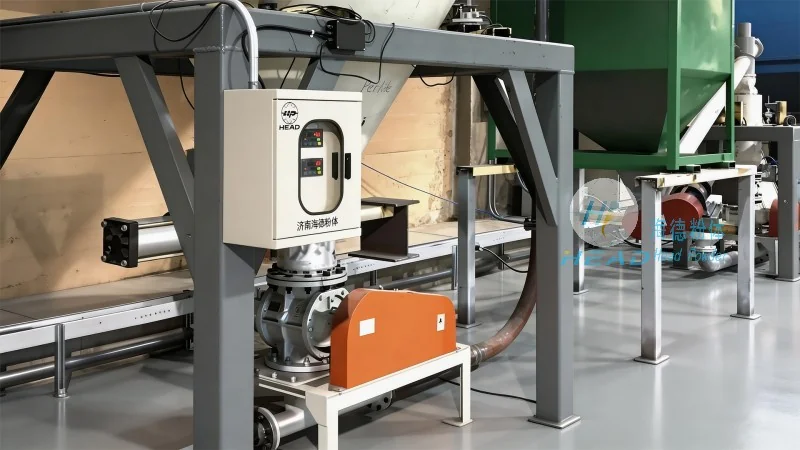
Firstly, material flow control is a central design consideration. The system must be able to manage the flow of bulk materials, which can vary in density, moisture content, and particle size. To achieve this, silo conveyors often incorporate features such as variable speed drives, adjustable feed rates, and anti-caking mechanisms. These features help prevent issues like bridging, rat-holing, and agglomeration, which can disrupt material flow and cause equipment damage.
Secondly, mechanical durability is essential for withstanding the rigors of continuous operation with bulk materials. The components of a silo conveyor, including the hopper, feeder, and conveyor, are typically constructed from robust materials like stainless steel or high-grade alloys to resist corrosion, wear, and abrasion. This ensures long-term reliability and reduces maintenance costs over the equipment's lifespan.
Thirdly, adaptability is a key design principle, as different industries and applications require different handling solutions. Silo conveyors can be customized with various feeding mechanisms, such as screw conveyors, belt conveyors, or pneumatic systems, depending on the material's characteristics and the required discharge rate. Additionally, the system can be equipped with sensors and control systems to monitor flow rates, detect blockages, and adjust operation parameters in real-time, enhancing overall performance and safety.
Key Components and Their Roles
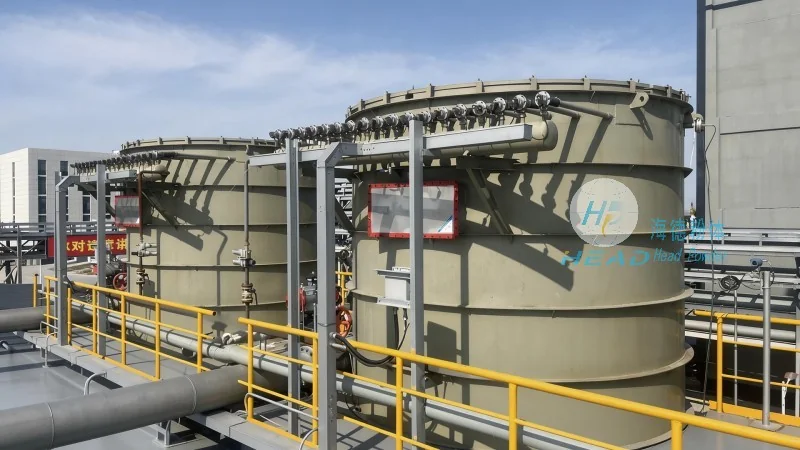
At the core of a bulk material silo conveyor are several key components that work together to ensure efficient material handling. These components include the silo itself, the feeding mechanism, the conveyor system, and control systems.
The silo, often made of steel or concrete, serves as the storage vessel for bulk materials. Its design, including the hopper angle and internal surfaces, is optimized to facilitate smooth material flow and prevent material buildup. The feeding mechanism, typically located at the bottom of the silo, is responsible for regulating the discharge of material. Common feeding mechanisms include rotary valves, screw feeders, and gate valves, each chosen based on the material's properties and the required flow rate.
The conveyor system, which may be a screw conveyor, belt conveyor, or pneumatic conveyor, transports the material from the silo to the processing unit. The choice of conveyor type depends on factors such as the material's density, abrasiveness, and the distance to be covered. For example, screw conveyors are ideal for handling dry, free-flowing materials, while belt conveyors are suitable for heavier or more abrasive materials. The conveyor is equipped with drive systems and support structures to ensure stable and efficient operation.
Control systems play a critical role in managing the operation of the silo conveyor. These systems typically include sensors to monitor material levels, flow rates, and pressure, as well as control panels to adjust the feeding rate and conveyor speed. Advanced control systems may also incorporate feedback loops to optimize performance and prevent issues like overfilling or underfilling. This integration of sensors and controls enhances the overall efficiency and safety of the system.
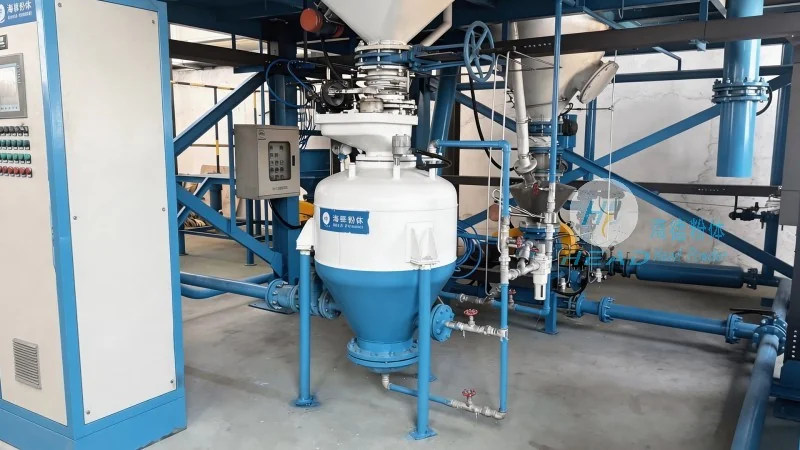
Applications and Benefits
Bulk material silo conveyors are widely used across various industries due to their versatility and efficiency. In the food industry, for example, they are used to handle ingredients like flour, sugar, and spices, ensuring consistent quality and preventing contamination. In the pharmaceutical industry, they are employed to transport raw materials and finished products, maintaining strict hygiene and quality standards. In the chemical industry, they handle a range of chemicals, from powders to granules, while in mining, they are used to transport ore and other minerals from storage silos to processing plants.
The benefits of using a bulk material silo conveyor include improved production efficiency, reduced labor costs, and enhanced safety. By automating the material handling process, these systems minimize the need for manual intervention, reducing the risk of human error and workplace accidents. Additionally, the consistent flow of material ensures that downstream processes operate smoothly, leading to higher productivity and lower downtime. The ability to customize the system to specific material and operational requirements also provides flexibility and adaptability to changing production needs.
Conclusion
A bulk material silo conveyor is a vital piece of equipment for industries that handle bulk materials, providing efficient and reliable transportation from storage silos to processing units. Its design is based on principles of material flow control, mechanical durability, and adaptability, ensuring optimal performance and long-term reliability. By incorporating advanced control systems and customizable components, these systems enhance production efficiency, safety, and overall operational performance. As a leading manufacturer in this field, Shandong HeadPowder Engineering Co., Ltd., based in China, specializes in designing and manufacturing high-quality silo conveyors tailored to the specific needs of various industries.




