When it comes to handling and transporting bulk powders in industrial settings, the choice of equipment can significantly impact efficiency, accuracy, and overall operational performance. Among the various solutions available, the weigh feeder powder conveyor stands out as a critical component in many processes. This article delves into what a weigh feeder is, its core functions, and the underlying design principles that make it an indispensable tool for powder handling applications.
Introduction to Weigh Feeder Powder Conveyors
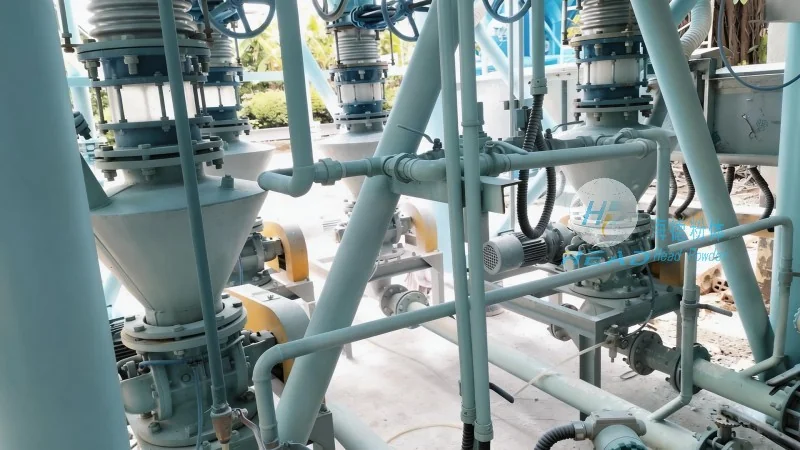
A weigh feeder, also known as a gravimetric feeder or a mass flow feeder, is a specialized device designed to measure and control the flow rate of bulk materials, particularly powders and granules. Unlike traditional volumetric feeders that rely on speed or volume measurements, a weigh feeder utilizes a load cell or a similar weighing mechanism to determine the actual mass of material being conveyed. This precision in measurement allows for accurate dosing and consistent material delivery, which is essential in applications where uniformity and repeatability are paramount.
The primary purpose of a weigh feeder is to ensure that the correct amount of material is fed into the next stage of a process, such as a mixer, a reactor, or a packaging line. By maintaining a constant flow rate, it helps prevent overfeeding or underfeeding, which can lead to product quality issues, equipment damage, or inefficiencies in production. This level of control is particularly valuable in industries like pharmaceuticals, food processing, chemicals, and mining, where material consistency is a key factor in meeting regulatory standards and customer expectations.
Key Components of a Weigh Feeder Powder Conveyor
The design of a weigh feeder powder conveyor typically involves several key components that work in tandem to achieve accurate material handling. These components include:
1. **Hopper or Feed Hopper**: This is the container that holds the bulk material. It is usually designed with a sloped bottom to facilitate material flow and prevent clogging. The hopper may also feature a discharge valve or a gate to control the flow of material into the conveyor section.
2. **Conveyor Mechanism**: The conveyor itself is often a screw conveyor, a belt conveyor, or a vibratory feeder, depending on the material characteristics and the required flow rate. The mechanism is responsible for moving the material from the hopper to the weighing section.
3. **Weighing System**: This is the core of the weigh feeder, typically consisting of a load cell or a set of load cells that are mounted under the conveyor. The load cells measure the weight of the material as it moves through the conveyor, providing real-time data on the mass flow rate.
4. **Control System**: The control system processes the data from the weighing system and adjusts the conveyor speed or the opening of the discharge valve to maintain the desired flow rate. Modern weigh feeders often use advanced control algorithms, such as PID (Proportional-Integral-Derivative) control, to achieve precise and stable operation.
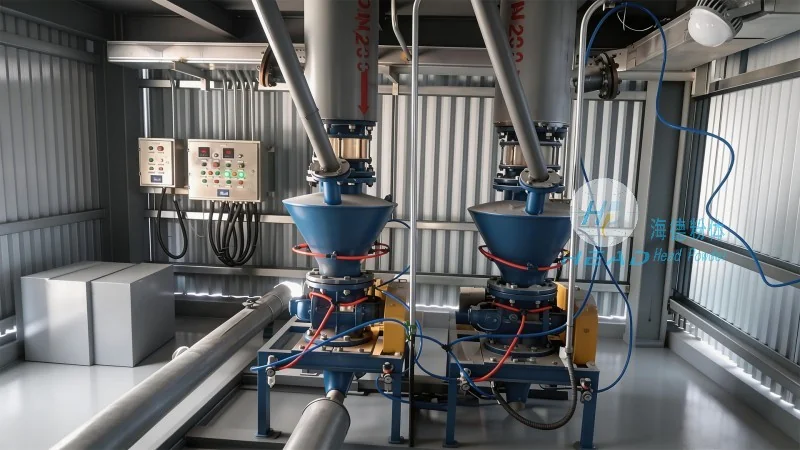
5. **Drive Unit**: The drive unit powers the conveyor mechanism, ensuring smooth and consistent movement of the material. It may include a motor, gearbox, and speed controller to regulate the speed of the conveyor.
Design Principles Behind Weigh Feeder Operation
The effectiveness of a weigh feeder powder conveyor is rooted in several fundamental design principles that ensure accurate measurement and control. These principles include:
1. **Mass Flow Measurement**: Unlike volumetric feeders that measure volume, a weigh feeder measures mass. This is achieved by placing the conveyor under a load cell, which converts the weight of the material into an electrical signal. The signal is then processed to determine the mass flow rate, which is a more reliable indicator of material flow, especially for materials with varying bulk densities or moisture content.
2. **Continuous Weighing**: The weighing system continuously monitors the weight of the material as it moves through the conveyor. This real-time measurement allows for immediate adjustments to the flow rate, ensuring that the output remains consistent even if the material properties or the system conditions change.
3. **Closed-Loop Control**: The control system operates in a closed-loop manner, where the actual flow rate is compared to the setpoint (desired flow rate), and any deviation is corrected by adjusting the conveyor speed or the discharge opening. This feedback mechanism ensures that the system remains stable and accurate over time.
4. **Material Compatibility**: The design of the weigh feeder takes into account the properties of the material being handled. For example, materials that are prone to caking or bridging may require special hopper designs or anti-caking measures. Similarly, abrasive materials may need wear-resistant components to extend the lifespan of the equipment.
5. **Integration with Process Systems**: Modern weigh feeders are often integrated with other process control systems, such as PLCs (Programmable Logic Controllers) or SCADA (Supervisory Control and Data Acquisition) systems. This integration allows for seamless communication between the weigh feeder and other equipment, enabling centralized monitoring and control of the entire production line.
Applications of Weigh Feeder Powder Conveyors
Weigh feeder powder conveyors are widely used in various industrial applications where precise material handling is critical. Some common applications include:
1. **Pharmaceutical Manufacturing**: In the production of tablets, capsules, and powders, accurate dosing of active ingredients and excipients is essential to ensure product potency and safety. Weigh feeders help maintain consistent dosing, meeting stringent regulatory requirements.
2. **Food Processing**: For the production of baked goods, dairy products, and beverages, uniform ingredient mixing is crucial for product quality and taste. Weigh feeders ensure that the correct amounts of flour, sugar, or other ingredients are added to the mix.
3. **Chemical Processing**: In the manufacturing of chemicals, fertilizers, and pigments, precise control of raw material feed rates is necessary to achieve the desired product specifications and prevent equipment scaling or contamination.
4. **Mining and Minerals**: For the processing of ores and minerals, weigh feeders are used to control the flow of bulk materials into crushers, mills, or other processing equipment, optimizing the extraction and processing efficiency.
5. **Packaging and Filling**: In packaging lines, weigh feeders are used to accurately fill containers with powders, ensuring consistent weight and meeting weight regulations for shipping and sales.
Advantages of Using a Weigh Feeder Powder Conveyor
Implementing a weigh feeder powder conveyor offers several advantages over traditional feeding methods. These benefits include:
1. **High Accuracy and Precision**: The ability to measure and control mass flow ensures that the material is delivered with high accuracy, reducing waste and improving product consistency.
2. **Flexibility**: Weigh feeders can handle a wide range of materials, from fine powders to coarse granules, and can be adjusted to accommodate different flow rates and material properties.
3. **Reduced Waste**: By preventing overfeeding or underfeeding, weigh feeders minimize material waste, which can lead to significant cost savings over time.
4. **Improved Product Quality**: Consistent material delivery helps maintain product quality and uniformity, which is essential for meeting customer expectations and regulatory standards.
5. **Enhanced Process Control**: The integration of weigh feeders with process control systems allows for better monitoring and control of the entire production line, leading to improved operational efficiency and reduced downtime.
Conclusion
A weigh feeder powder conveyor is a sophisticated piece of equipment that plays a vital role in modern industrial processes, particularly in applications involving bulk powder handling. By leveraging precise mass flow measurement and advanced control systems, it ensures accurate and consistent material delivery, which is crucial for maintaining product quality, optimizing production efficiency, and meeting regulatory requirements. For industries that rely on uniform and reliable material handling, investing in a high-quality weigh feeder is a strategic decision that can yield long-term benefits.
Shandong HeadPowder Engineering Co., Ltd., a leading manufacturer of powder handling equipment, specializes in designing and manufacturing weigh feeder systems tailored to the specific needs of various industries. With a focus on precision, durability, and reliability, HeadPowder provides solutions that enhance operational efficiency and product quality. Based in Shandong, China, the company leverages its expertise and experience to deliver innovative and effective powder handling solutions to clients worldwide.




