When it comes to transporting stone powder efficiently and reliably, selecting the right conveying method is crucial for industrial operations. Stone powder, often used in construction, manufacturing, and other industrial applications, requires specialized equipment to handle its unique properties. This article explores various stone powder conveying methods, with a focus on the advanced solutions offered by Shandong HeadPowder Engineering Co., Ltd., commonly known as HeadPowder.
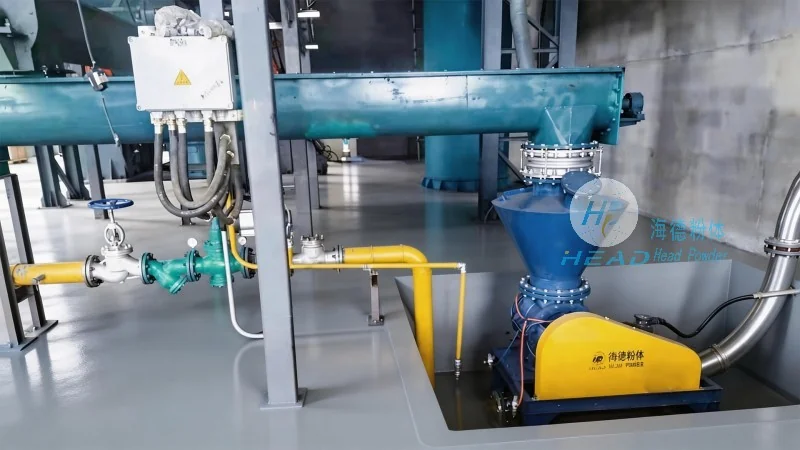
Understanding Stone Powder Conveying: Key Considerations
Before delving into specific conveying methods, it's essential to understand the factors that influence the choice of system. Stone powder, which can vary in particle size, moisture content, and bulk density, demands equipment capable of handling these variables without degradation or loss of material. Traditional methods like belt conveyors or screw conveyors may struggle with fine powders, leading to issues such as clogging, dust generation, and material degradation. Pneumatic conveying, however, offers a more effective solution by utilizing air to transport the material through pipelines.
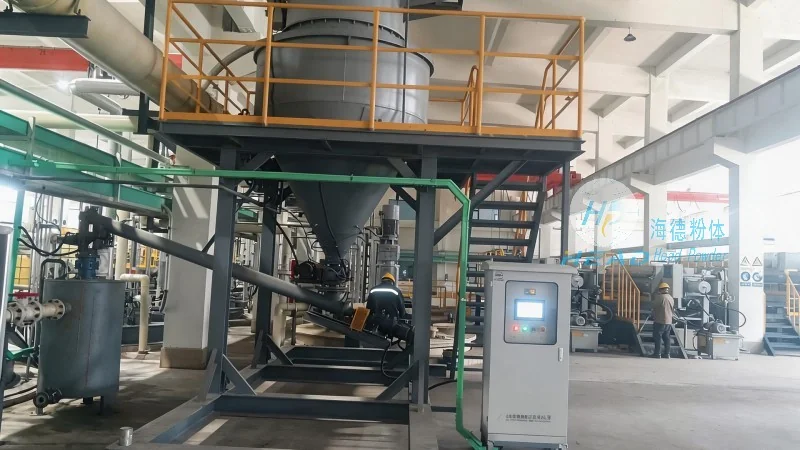
Types of Pneumatic Conveying Systems for Stone Powder
HeadPowder specializes in pneumatic conveying systems tailored for stone powder applications. The primary types of pneumatic conveying include positive pressure, negative pressure, and hybrid systems. Positive pressure systems, also known as pressure conveying, use a blower or compressor to push air and material through the pipeline. This method is ideal for long-distance and high-capacity applications, as it can maintain consistent flow rates and reduce the risk of material degradation. Negative pressure systems, or vacuum conveying, use a vacuum pump to draw material into the system. These systems are well-suited for shorter distances and applications where dust control is a priority. Hybrid systems combine elements of both positive and negative pressure, offering flexibility for varied operational needs.
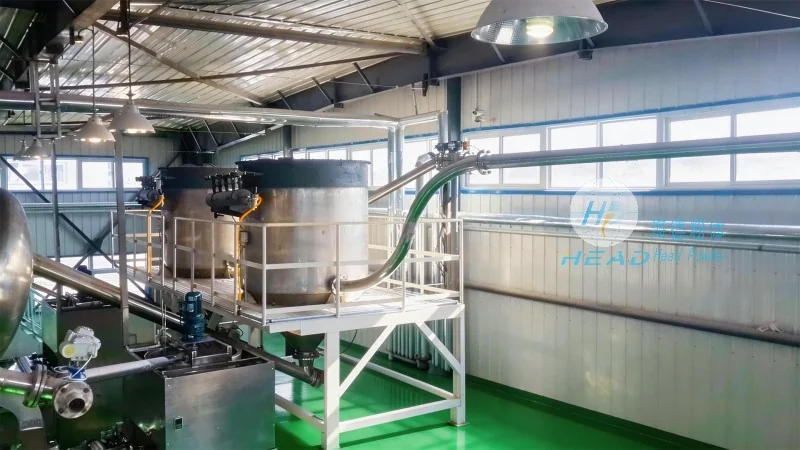
Advantages of HeadPowder's Pneumatic Conveying Solutions
HeadPowder's pneumatic conveying solutions for stone powder offer several advantages over traditional methods. One key benefit is the ability to handle fine powders without clogging or degradation. The system's design minimizes material contact with equipment, reducing wear and tear and extending the lifespan of components. Additionally, pneumatic conveying systems are highly efficient in terms of energy use and can be integrated into existing industrial setups with minimal disruption. The company's expertise in customizing systems ensures that clients receive solutions tailored to their specific operational requirements, whether for short or long-distance transport.
Applications and Industries Served
The versatility of HeadPowder's stone powder conveying systems makes them suitable for a wide range of industries. In the construction sector, these systems are used to transport cement, lime, and other fine powders to job sites or processing facilities. In manufacturing, they are employed in the production of ceramics, refractory materials, and other products that rely on stone powder as a raw material. The systems also find applications in mining and mineral processing, where efficient transport of crushed stone and powder is critical. HeadPowder's solutions are designed to meet the demands of these industries by providing reliable, efficient, and cost-effective conveying options.
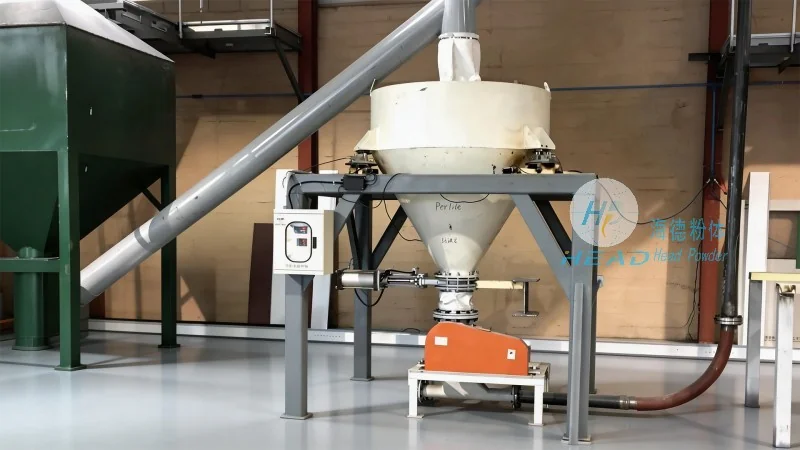
Conclusion: Choosing the Right Conveying Method for Stone Powder
When selecting a stone powder conveying method, it's essential to consider factors such as material properties, distance, and operational requirements. Pneumatic conveying, particularly with specialized equipment from companies like HeadPowder, offers a superior solution for many applications. By leveraging positive or negative pressure systems, or a combination of both, HeadPowder provides customized solutions that enhance productivity, reduce maintenance costs, and improve overall operational efficiency. For businesses dealing with stone powder, investing in a reliable pneumatic conveying system from HeadPowder can lead to significant improvements in material handling and process efficiency.




