Understanding the fundamentals of sulfur powder pneumatic conveying lines is crucial for industries dealing with bulk material handling, particularly in the chemical and processing sectors. These systems are engineered to transport sulfur powder efficiently and safely, leveraging pneumatic principles to move the material from one location to another without the need for mechanical components like belts or buckets. The core of such a system lies in its design, which integrates several key components to ensure optimal performance and reliability.
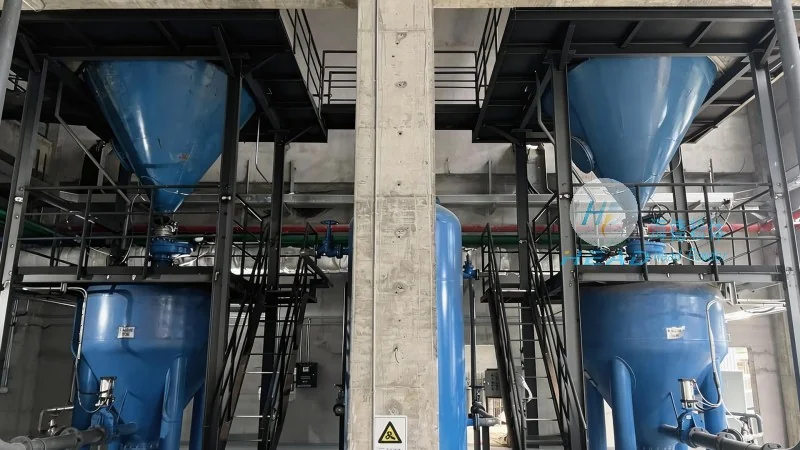
Key Components of a Sulfur Powder Pneumatic Conveying System
A typical sulfur powder pneumatic conveying line consists of several essential components that work in tandem to facilitate material transport. The primary elements include a material hopper or feeder, which holds the sulfur powder and regulates its flow into the system. A compressor or blower provides the necessary air pressure to create a flow of air through the line, carrying the powder particles. The conveying line itself, often made of metal or plastic, serves as the pathway for the air and powder mixture. Additionally, a separator or cyclone is used to separate the powder from the air at the receiving end, ensuring that the material is deposited accurately and the air is filtered or recirculated. Other components may include filters, valves, and control systems to manage the flow rate and pressure, maintaining the system's efficiency and preventing blockages.
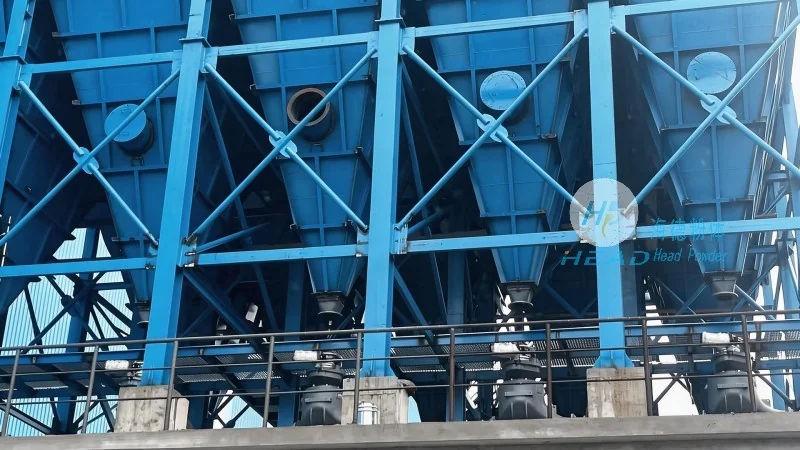
Design Principles for Efficient Sulfur Powder Conveying
The design of a sulfur powder pneumatic conveying line is governed by several critical principles aimed at maximizing efficiency, minimizing energy consumption, and ensuring the safety of the process. One of the fundamental principles is the selection of appropriate air velocity, which must be high enough to entrain the powder particles but not so high as to cause excessive wear or pressure drop. The air velocity is typically determined based on the particle size, density, and flow rate of the sulfur powder. Another key principle is the use of a consistent and controlled feed rate from the hopper, as fluctuations can lead to uneven conveying or system instability. The system's design also considers the length and layout of the conveying line, as longer distances may require additional boosters or larger compressors to maintain sufficient pressure. Additionally, the material of construction is critical, as sulfur powder can be corrosive or abrasive, requiring materials like stainless steel or specialized coatings to prevent degradation over time.
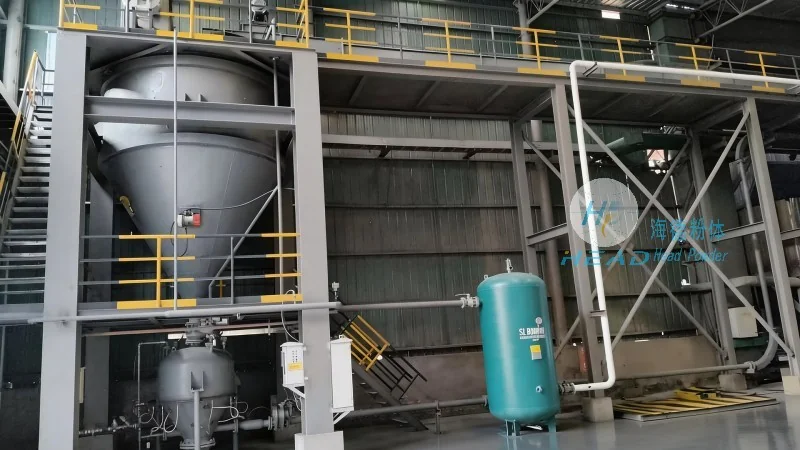
Applications and Benefits of Sulfur Powder Pneumatic Conveying
Sulfur powder pneumatic conveying lines are widely used in various industrial applications, including chemical manufacturing, fertilizer production, and the processing of sulfur-based products. The primary benefits of these systems include high efficiency in material transport, reduced labor costs compared to manual handling, and improved safety by minimizing human exposure to the powder. The systems also offer flexibility in terms of layout, allowing for horizontal, vertical, or inclined transport, depending on the specific requirements of the facility. Furthermore, pneumatic conveying can handle a wide range of particle sizes and flow rates, making it suitable for both small-scale and large-scale operations. The ability to integrate with existing processing lines and control systems also enhances the overall operational efficiency of the plant.
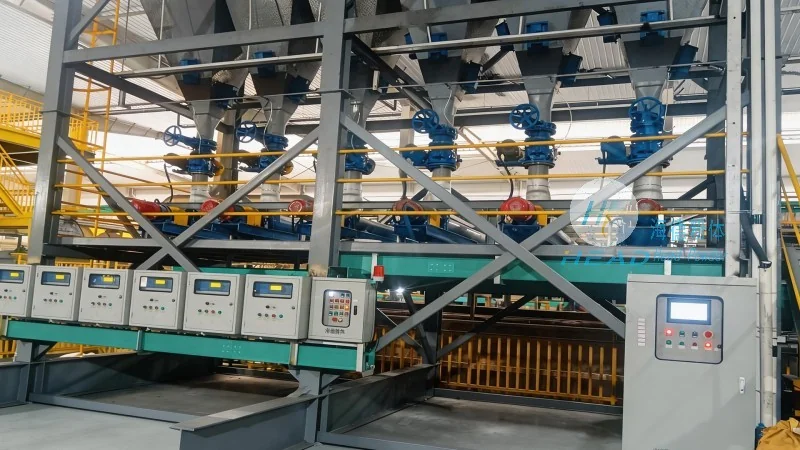
Conclusion and Company Overview
In conclusion, sulfur powder pneumatic conveying lines are sophisticated systems designed to efficiently and safely transport sulfur powder in industrial settings. The design principles, which focus on air velocity, material feed control, and system layout, are crucial for ensuring optimal performance. These systems offer significant benefits in terms of efficiency, safety, and flexibility, making them a preferred choice for industries dealing with bulk sulfur powder. As a leading provider in this field, Shandong HeadPowder Engineering Co., Ltd., based in China, specializes in the design, manufacturing, and installation of such conveying systems, leveraging years of expertise to deliver reliable and high-performance solutions for their clients.




