For industries dealing with rare earth materials, efficient and reliable material handling is crucial. A rare earth pneumatic conveying system offers a solution that combines precision, flexibility, and safety in transporting these valuable and often hazardous substances. This article explores what such a system entails and the key design principles that underpin its effective operation.
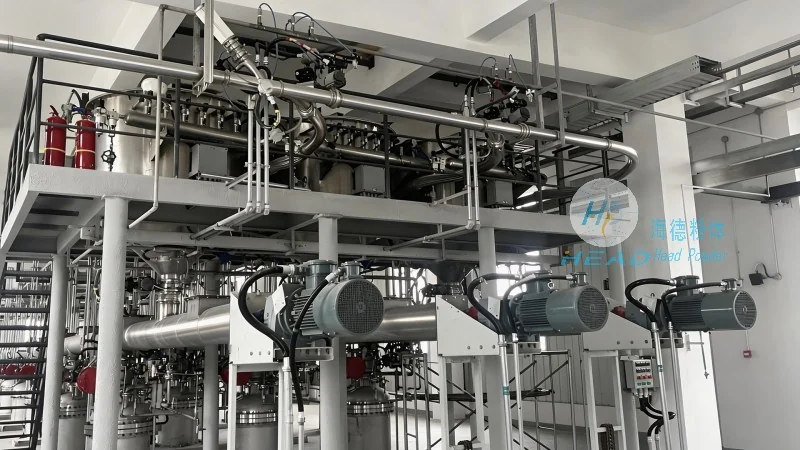
Understanding the Rare Earth Pneumatic Conveying System
A rare earth pneumatic conveying system is a specialized piece of equipment designed to transport rare earth powders and other fine particulate materials through a pipeline using air or other gas as the conveying medium. Unlike traditional mechanical conveying methods, which rely on belts, screws, or buckets, pneumatic systems use pressure differentials to move material, making them particularly suitable for handling delicate, abrasive, or toxic materials like rare earth oxides and compounds.
These systems are widely used in the rare earth processing industry, from ore crushing and grinding to the final product packaging stages. The ability to transport materials in a closed system minimizes dust exposure, reduces contamination risks, and ensures a more controlled and hygienic handling process, which is critical for both environmental compliance and product quality.
Key Components of a Pneumatic Conveying System
At the core of any pneumatic conveying system are several essential components that work in tandem to ensure smooth material transport. These typically include a material feeder, a conveying line (often with bends and valves), a pressure vessel or receiver, and a dust collector or filter system. Each component plays a vital role in the overall functionality of the system.
The material feeder is responsible for introducing the rare earth material into the system at a controlled rate. This can be achieved through various mechanisms such as rotary valves, star feeders, or pressure feeders, depending on the material's properties and the system's requirements. The feeder must be designed to handle the specific characteristics of rare earth powders, which may include high abrasiveness or tendency to agglomerate.
The conveying line is the pipeline through which the material and air travel. It is usually made of materials like stainless steel or special alloys to resist corrosion and wear from the abrasive rare earth particles. The line may include bends, elbows, and valves to direct the flow and control the pressure within the system. Proper design of the line's geometry is crucial to maintain the material's flowability and prevent blockages or pressure losses.
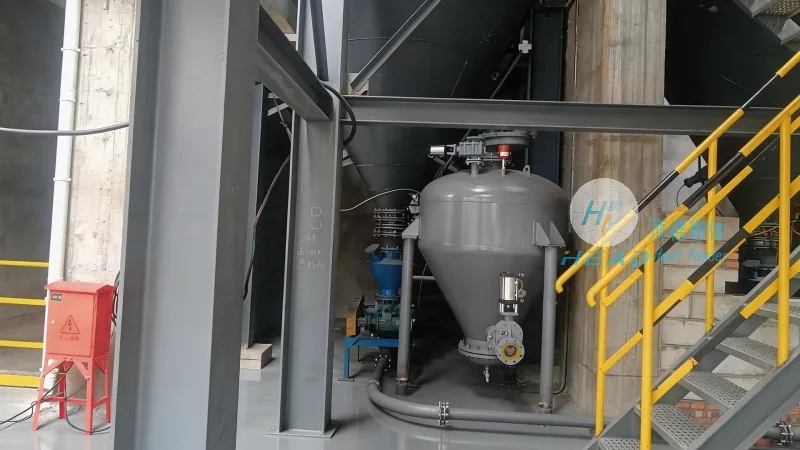
The pressure vessel or receiver is where the material is collected and stored before further processing or packaging. It is often equipped with a filter or cyclone to separate the material from the air, ensuring that the collected material remains free of contaminants. The receiver may also include a discharge valve or outlet to allow for controlled release of the material.
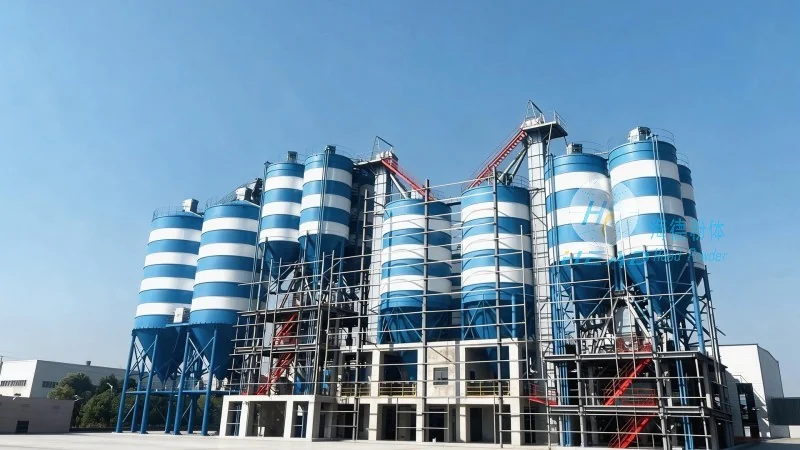
The dust collector or filter system is critical for maintaining air quality and preventing dust emissions. It captures any fine particles that may escape the conveying line and returns them to the system or disposes of them according to environmental regulations. This component is essential for both safety and compliance with industrial standards.
Design Principles for Efficient Rare Earth Pneumatic Conveying
The design of a rare earth pneumatic conveying system involves several key principles aimed at optimizing performance, reliability, and safety. These principles are tailored to the unique challenges posed by rare earth materials, which often require precise control and protection from contamination.
First, the system must be designed to handle the specific physical and chemical properties of rare earth powders. These materials can be highly abrasive, leading to wear on system components, and may also be sensitive to moisture or air exposure, which can affect their reactivity and quality. Therefore, components such as feeders, pipelines, and valves are often constructed from corrosion-resistant materials like stainless steel or special alloys to ensure longevity and maintain material integrity.
Second, the system must maintain a closed-loop operation to minimize dust and contamination. This involves using sealed feeders, airtight pipelines, and efficient filtration systems. The closed system not only protects workers from exposure to hazardous dust but also ensures that the rare earth material remains pure and free from external contaminants, which is critical for downstream processing and final product quality.
Third, the design must consider the pressure and flow dynamics of the conveying process. The system must be capable of maintaining consistent material flow rates and pressure differentials to prevent blockages or uneven material distribution. This often involves careful selection of the conveying medium (air or gas), the velocity of the air, and the size and configuration of the pipeline. Proper design of the system's pressure control and flow regulation mechanisms is essential to achieve reliable and efficient material transport.
Fourth, safety and maintenance considerations are integral to the design. The system must include safety features such as pressure relief valves, emergency shut-off mechanisms, and monitoring systems to detect and prevent potential failures. Regular maintenance, including cleaning of filters, inspection of wear parts, and calibration of feeders, is also essential to ensure the system operates at peak efficiency and longevity.
Applications and Benefits in Rare Earth Processing
Rare earth pneumatic conveying systems find extensive applications across the rare earth processing industry. From the initial stages of ore crushing and grinding to the final stages of product packaging, these systems play a vital role in ensuring smooth material handling. The benefits of using such systems include improved process efficiency, reduced labor costs, and enhanced product quality through minimized contamination and dust exposure.
In the rare earth extraction and refining processes, pneumatic conveying is used to transport raw ore, intermediate products, and finished rare earth compounds between different processing stages. The closed system design helps maintain the purity of the materials, which is crucial for achieving high-quality end products. For example, in the production of rare earth magnets, the precise transport of rare earth powders is essential to ensure uniform composition and performance of the final magnets.
The flexibility of pneumatic conveying systems also makes them suitable for various production scenarios. They can be easily integrated into existing processing lines and adapted to handle different material types or flow rates. This adaptability is particularly valuable in industries where production requirements may change over time or where multiple product lines need to be served from a single material source.
Furthermore, the use of pneumatic conveying systems contributes to environmental sustainability by reducing the need for manual handling and minimizing dust emissions. This aligns with the growing emphasis on green manufacturing practices in the rare earth industry, where companies are increasingly focused on reducing their environmental footprint while maintaining high production standards.
Conclusion
A rare earth pneumatic conveying system is a sophisticated and essential component in the processing of rare earth materials. Its design and operation are tailored to address the unique challenges of handling these valuable and often hazardous substances, ensuring efficient, safe, and high-quality material transport. By adhering to key design principles such as material compatibility, closed-loop operation, and robust pressure control, these systems provide reliable performance and contribute to the overall success of rare earth processing operations.
Companies like Shandong HeadPowder Engineering Co., Ltd., based in China, specialize in the design, manufacturing, and installation of such systems, leveraging their expertise to deliver customized solutions that meet the specific needs of rare earth processing facilities. With a focus on quality, safety, and efficiency, these systems play a critical role in advancing the rare earth industry and supporting the production of high-performance materials used in modern technology.




