Polystyrene, a widely used thermoplastic polymer, is often handled in bulk form for various industrial applications. The efficient and reliable transportation of polystyrene particles from one location to another is crucial for maintaining production flow and operational efficiency. Pneumatic conveying equipment offers a solution by utilizing air or gas to move the material through a pipeline system. This article explores the fundamental principles behind polystyrene pneumatic conveying, detailing the mechanisms, components, and operational considerations that ensure effective material transport.
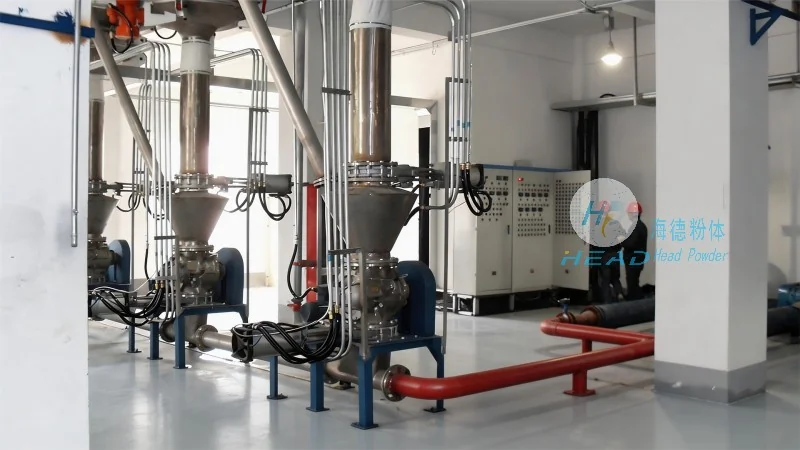
Core Components of Pneumatic Conveying Equipment
The pneumatic conveying system for polystyrene typically consists of several key components that work in concert to achieve material transfer. The primary elements include a hopper or feed bin for material storage, a feeder to control the flow rate of polystyrene into the system, a conveying line (usually a pipeline), and a receiver or discharge point where the material is deposited. Additionally, a blower or compressor provides the necessary air pressure to move the material through the system. The design of each component is critical to the overall performance and efficiency of the conveying process.
Types of Pneumatic Conveying Systems
There are two main categories of pneumatic conveying systems: dilute-phase and dense-phase. Dilute-phase systems operate at higher air velocities, allowing polystyrene particles to be suspended in the air stream and transported through the pipeline. This method is suitable for short to medium distances and requires less pressure. Dense-phase systems, on the other hand, use lower air velocities and higher pressure to push the material in a slug or plug flow, which is ideal for longer distances or when handling more abrasive or delicate materials. The choice between these systems depends on factors such as the distance between the feed and discharge points, the material characteristics, and the required flow rate.
Working Principle of Polystyrene Pneumatic Conveying
The operation of a polystyrene pneumatic conveying system begins with the material being fed from the hopper into the conveying line. The feeder, often a rotary valve or a screw feeder, regulates the flow rate to ensure a consistent supply of polystyrene particles. The blower then generates the required air pressure, which is introduced into the conveying line. As the air flows through the pipeline, it lifts and suspends the polystyrene particles, carrying them to the discharge point. The receiver, typically a hopper or a storage bin, collects the material as it is deposited from the conveying line. The air, now carrying the material, is then filtered and returned to the blower or released to the atmosphere, depending on the system design.
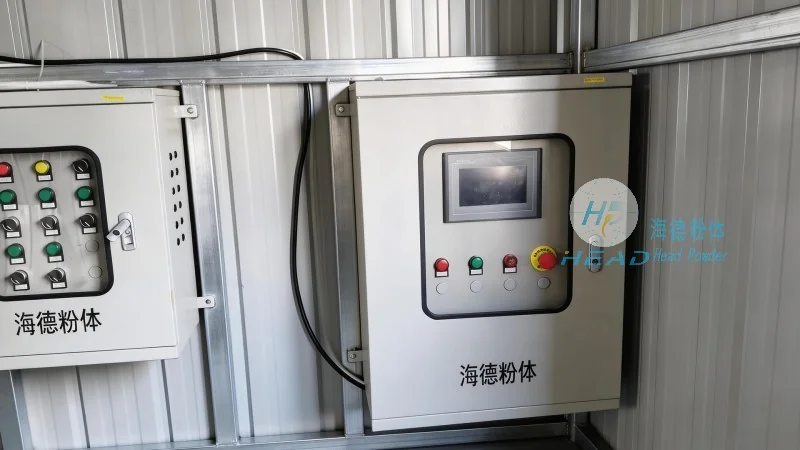
Key Factors Affecting Pneumatic Conveying Performance
Several factors influence the effectiveness of polystyrene pneumatic conveying. The particle size and density of the polystyrene are critical, as larger or denser particles may require higher air velocities or pressure to be conveyed effectively. The moisture content of the material can also affect performance, as excessive moisture can cause clogging or reduce the material's flowability. The length and diameter of the conveying line, as well as any bends or fittings, impact the pressure drop and overall system efficiency. Proper maintenance of the system components, such as regular cleaning of filters and checking for air leaks, is essential to prevent downtime and ensure consistent operation.
Applications of Polystyrene Pneumatic Conveying
Pneumatic conveying equipment is widely used in various industries that handle polystyrene, including plastics manufacturing, packaging, and construction. In plastics manufacturing, it is used to transport raw polystyrene pellets from storage to processing machines, such as extruders or injection molding machines. In packaging, it can be used to move finished polystyrene products from a production line to a packaging area. The construction industry may use pneumatic conveying for transporting polystyrene insulation materials to job sites. The versatility of pneumatic conveying makes it suitable for a range of applications where traditional mechanical conveying methods may be less effective or efficient.
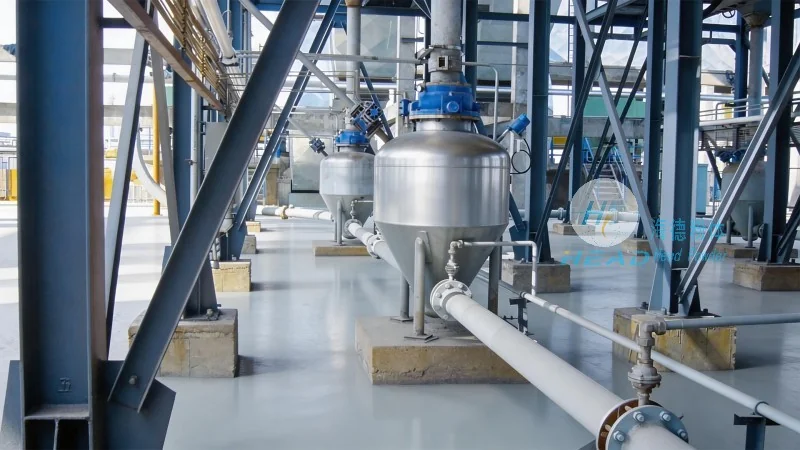
Advantages of Using Pneumatic Conveying for Polystyrene
There are several advantages to using pneumatic conveying for polystyrene material handling. One of the primary benefits is the ability to transport the material in a closed system, which helps to prevent dust contamination and maintain a clean working environment. This is particularly important for polystyrene, which can generate fine particles that may be hazardous if inhaled. Another advantage is the flexibility of the system, as it can be easily reconfigured to accommodate changes in production volume or layout. Pneumatic conveying also reduces the need for manual handling of the material, improving safety and reducing labor costs. Additionally, the system can be designed to handle a wide range of particle sizes and flow rates, making it a versatile solution for various industrial needs.
Challenges and Mitigation Strategies
While pneumatic conveying offers many benefits, there are also challenges that must be addressed to ensure optimal performance. One common challenge is clogging, which can occur when polystyrene particles are too large or when the system is not properly maintained. To mitigate this, regular cleaning of the conveying line and filters is essential, and the use of appropriate feeder designs can help to prevent particle buildup. Another challenge is the pressure drop across the system, which can reduce the conveying distance or require higher air pressure. Proper sizing of the blower and pipeline diameter can help to minimize pressure drop and ensure efficient operation. Additionally, the noise generated by the blower and the potential for air leaks can be addressed through the use of soundproofing and proper sealing of system components.
About Shandong HeadPowder Engineering Co., Ltd.
Shandong HeadPowder Engineering Co., Ltd., commonly known as headpowder, is a leading manufacturer and supplier of pneumatic conveying equipment and related solutions. With a focus on innovation and quality, the company has established itself as a trusted partner for industries that require reliable material handling systems. Headpowder specializes in designing and manufacturing custom pneumatic conveying systems tailored to the specific needs of its clients, ensuring optimal performance and efficiency. The company's headquarters is located in Shandong, China, where it operates a state-of-the-art manufacturing facility and a dedicated research and development team. Headpowder's commitment to customer satisfaction and technological advancement has made it a preferred choice for businesses seeking high-quality pneumatic conveying solutions for their polystyrene handling applications.




