When it comes to the efficient and reliable transport of ceramic powders in industrial settings, selecting the right conveying method is crucial. The choice of conveying system directly impacts production efficiency, material quality, and operational costs. This article provides a detailed comparison of common ceramic powder conveying methods, highlighting their advantages, limitations, and typical applications. The information is presented by Shandong HeadPowder Engineering Co., Ltd., a leading provider of ceramic powder handling solutions based in Shandong, China.
Gravity Conveying Systems
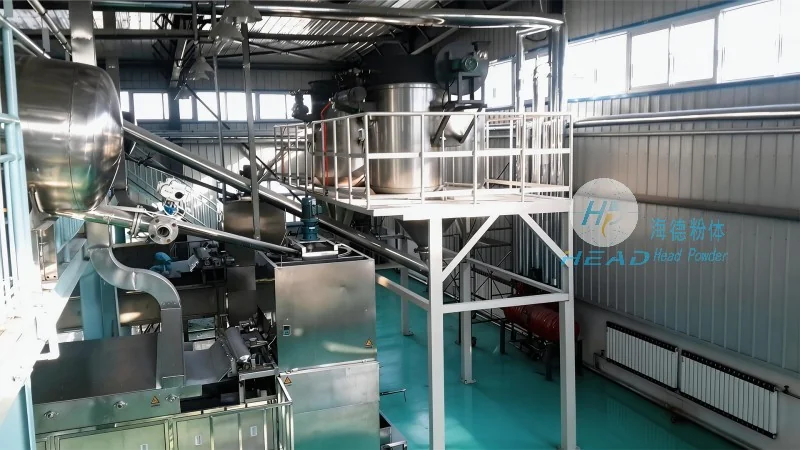
Gravity conveying, also known as bulk material handling via inclined chutes or hoppers, relies on the natural force of gravity to move ceramic powders from one location to another. This method is often used for short-distance transfers where the material can flow freely without excessive pressure or air resistance. The primary advantage of gravity conveying is its simplicity and low operational cost, as it typically requires minimal energy input and maintenance. However, its effectiveness is highly dependent on the physical properties of the ceramic powder, such as particle size, density, and flowability. For powders with poor flow characteristics, like those with high moisture content or cohesive particles, gravity conveying may lead to blockages or uneven flow, reducing system efficiency. Shandong HeadPowder Engineering Co., Ltd. offers specialized gravity chute designs that optimize powder flow and minimize material degradation during transport.
Air-Pressure Conveying Systems
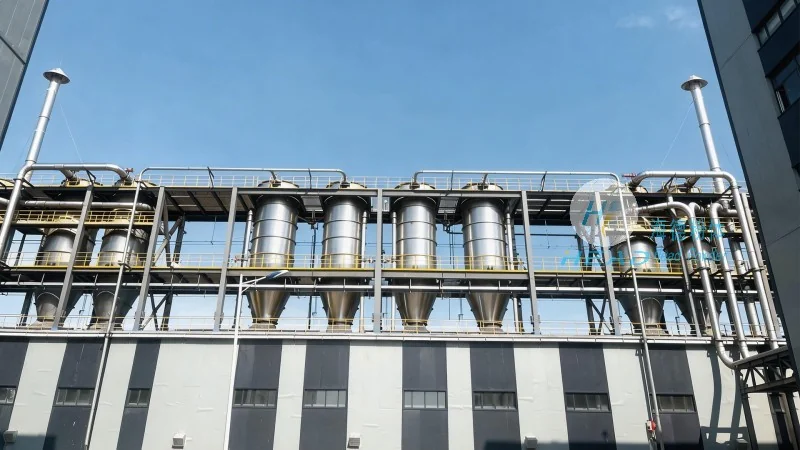
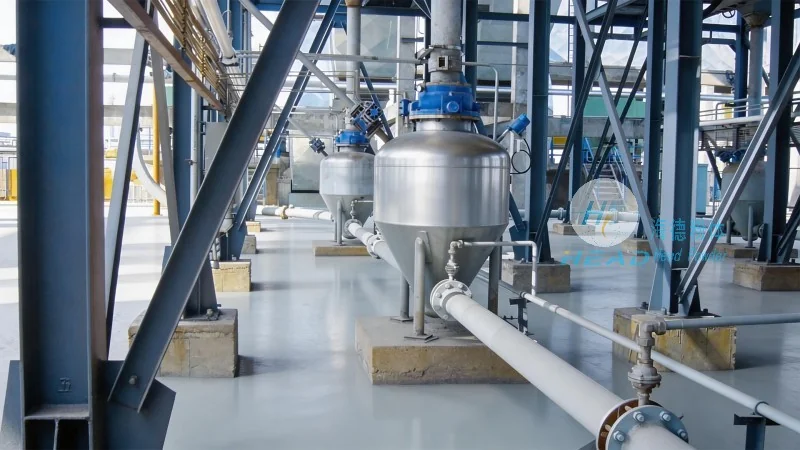
Air-pressure conveying, or pneumatic conveying, uses compressed air to transport ceramic powders through a network of pipes. This method is versatile and can handle a wide range of powder types, including fine, dry, and even slightly moist powders. There are two main types of pneumatic conveying: positive pressure and negative pressure. Positive pressure systems blow air into the conveying line, pushing the powder forward, while negative pressure systems create a vacuum to draw the powder into the line. The choice between the two depends on the distance, material characteristics, and system layout. Air-pressure conveying offers high throughput and the ability to transport powders over long distances without the need for multiple transfer points. However, it requires significant energy input to operate the air compressors and may cause powder degradation due to friction and particle-particle or particle-wall collisions. Proper system design, including appropriate air velocities and pipe diameters, is essential to minimize material damage and ensure consistent performance. Shandong HeadPowder Engineering Co., Ltd. provides customized pneumatic conveying solutions tailored to specific production requirements, ensuring optimal material handling efficiency.
Mechanical Conveying Systems
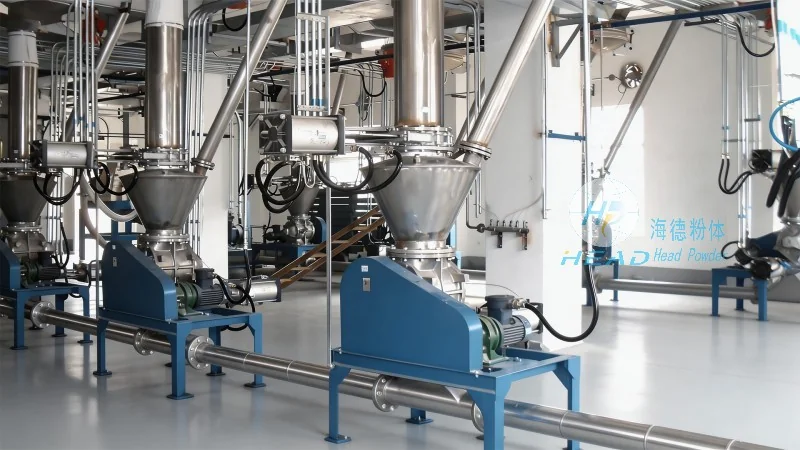
Mechanical conveying systems utilize mechanical components, such as screws, belts, or buckets, to move ceramic powders. Screw conveyors, also known as auger conveyors, are widely used for horizontal or slight incline transport. They consist of a rotating screw inside a trough, which pushes the powder forward. Screw conveyors are suitable for handling powders with moderate to high flowability and can operate in both horizontal and inclined configurations. The main advantages include low cost, simplicity, and the ability to handle a variety of materials, including those with some moisture content. However, screw conveyors may cause particle attrition and heat generation due to friction, which can affect the quality of heat-sensitive ceramic powders. Additionally, they are limited in the distance they can transport material efficiently and may require regular maintenance to prevent wear and tear. Belt conveyors, on the other hand, are commonly used for longer horizontal transport distances and can handle larger quantities of material. They are particularly effective for transporting bulk ceramic powders from storage silos to processing equipment. Belt conveyors offer high capacity and reliability but require more space and maintenance compared to screw conveyors. Shandong HeadPowder Engineering Co., Ltd. specializes in designing and manufacturing mechanical conveying systems that balance performance, durability, and operational efficiency for diverse ceramic powder applications.
Comparison and Selection Considerations
When selecting a ceramic powder conveying method, several factors must be considered to ensure the best fit for a specific application. The first consideration is the physical properties of the ceramic powder, including particle size distribution, density, moisture content, and flowability. Powders with poor flow characteristics may require specialized equipment, such as vibratory feeders or air classifiers, to improve their handling. The second factor is the distance and layout of the conveying system. Short-distance transfers may be suitable for gravity or screw conveyors, while long-distance or complex layouts may necessitate pneumatic or mechanical systems. Cost is another critical factor, as different conveying methods have varying capital and operational expenses. Gravity conveying is generally the most cost-effective option for short distances, while pneumatic conveying may be more expensive but offers greater flexibility. Maintenance requirements and system reliability also play a role in the decision-making process. Mechanical systems, such as screw or belt conveyors, may require more frequent maintenance, whereas pneumatic systems can be more reliable if properly designed and maintained. Ultimately, the choice of conveying method should align with the production goals, material characteristics, and budget constraints of the operation. Shandong HeadPowder Engineering Co., Ltd. assists clients in evaluating these factors and recommending the most appropriate conveying solution to optimize their ceramic powder handling processes.




