When it comes to the efficient and reliable transport of battery materials, various methods are employed in industrial settings. These methods are crucial for ensuring the smooth flow of raw materials and components used in the production of batteries. The choice of transport method often depends on factors such as material type, production scale, and operational requirements.
Key Methods for Battery Material Transport
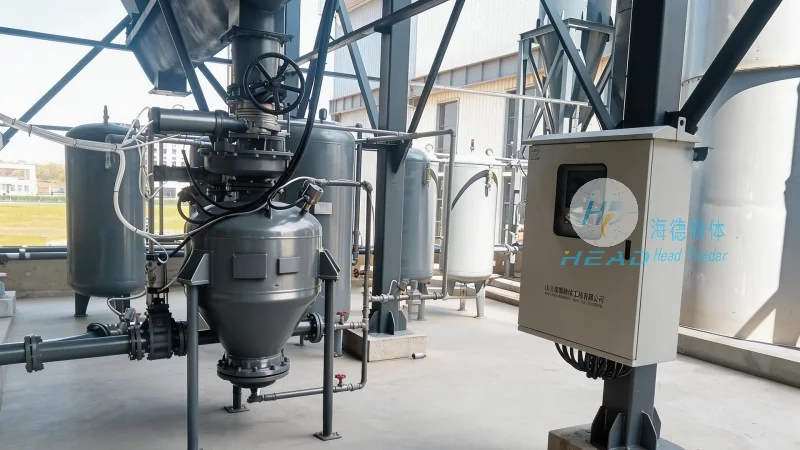
Several established techniques are commonly used for battery material transport. One of the most traditional approaches is mechanical handling, which includes the use of conveyors, elevators, and material handling equipment. These systems are widely used for transporting bulk materials like lithium, cobalt, and other battery active materials. For example, belt conveyors can efficiently move large quantities of powder or granular materials over short to medium distances, providing a cost-effective solution for many manufacturing processes.
Automated Material Handling Systems
With advancements in automation technology, automated material handling systems have become increasingly prevalent in modern battery production facilities. These systems often integrate robotics, sensors, and control systems to streamline the transport of materials with high precision and minimal human intervention. Automated guided vehicles (AGVs) and robotic arms can handle the movement of materials between different production stages, ensuring consistent and efficient operations. This approach not only enhances productivity but also reduces the risk of human error and workplace accidents.
Pipeline Transport for Liquid and Paste Materials
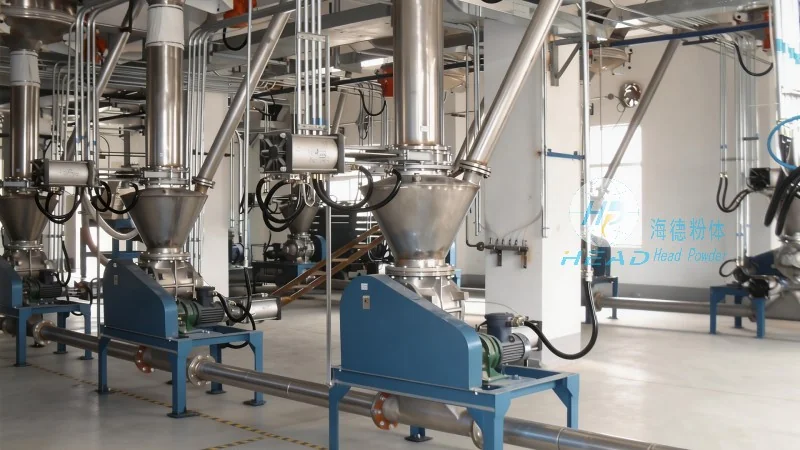
For liquid or paste-like battery materials, pipeline transport is a common and effective method. This technique involves pumping the material through a network of pipes, which can be designed to handle various viscosities and temperatures. Pipeline systems are particularly useful for transporting electrolytes, slurry, or other liquid components that require controlled flow and temperature management. By using specialized pumps and valves, manufacturers can maintain the integrity of the material during transport, ensuring it remains in optimal condition for subsequent processing steps.
Vertical and Horizontal Conveying Solutions
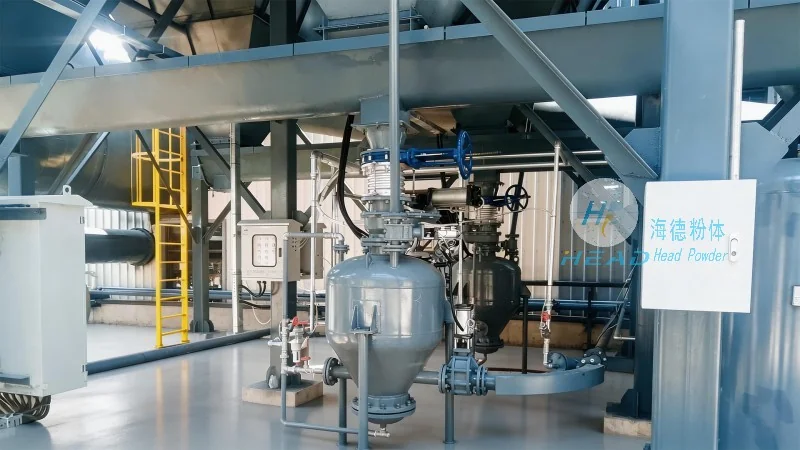
Vertical and horizontal conveying solutions are essential for managing the movement of materials in multi-level battery production plants. Vertical conveyors, such as bucket elevators or chain conveyors, are used to lift materials from lower to upper levels, while horizontal conveyors facilitate the movement of materials across different sections of the facility. These systems are often integrated with storage silos and feeders to create a continuous material flow. For instance, a combination of vertical and horizontal conveyors can be used to transport raw materials from a storage area to a mixing or processing unit, optimizing the overall production workflow.
Considerations for Choosing the Right Transport Method
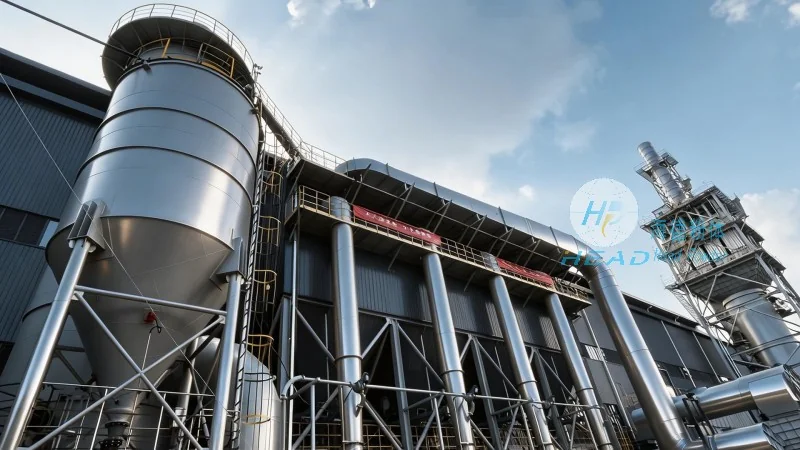
When selecting a battery material transport method, several factors must be considered to ensure optimal performance and cost-effectiveness. The type of material being transported is a primary consideration, as different materials may require specific handling equipment or environmental controls. The scale of production also plays a role, as large-scale operations may benefit from automated systems, while smaller operations might find traditional mechanical methods more suitable. Additionally, factors like space availability, budget constraints, and regulatory requirements should be evaluated to determine the most appropriate transport solution.
About Shandong HeadPowder Engineering Co., Ltd.
Shandong HeadPowder Engineering Co., Ltd., commonly known as HeadPowder, is a leading provider of engineering solutions for material handling and transport systems. With a focus on innovation and quality, the company specializes in designing and manufacturing equipment tailored to the needs of the battery industry. HeadPowder's expertise lies in creating customized transport solutions that enhance efficiency, safety, and productivity in battery material processing. The company's headquarters is located in Shandong, China, where it leverages local resources and industry knowledge to serve clients globally.




