When it comes to the transportation of gypsum powder and dust, selecting the right method is crucial for ensuring efficiency, safety, and cost-effectiveness in industrial operations. Gypsum, a widely used material in construction and manufacturing, often requires specialized handling due to its fine particle size and potential for dust generation. The choice of transportation method depends on factors such as the volume of material, the distance to be covered, and the specific characteristics of the gypsum product. In this article, we explore the various methods available for gypsum powder and dust transportation, with a focus on practical applications and industry best practices.
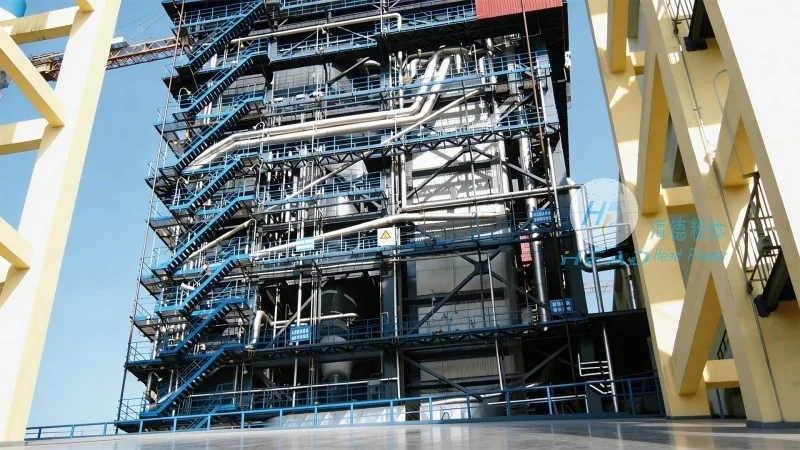
Common Transportation Methods for Gypsum Powder and Dust
Several methods are commonly employed for transporting gypsum powder and dust, each with its own advantages and suitability for different scenarios. The primary methods include pneumatic conveying, belt conveyors, screw conveyors, and truck or rail transport. Pneumatic conveying systems use air pressure to move the material through a pipeline, making them ideal for long-distance and high-volume applications. Belt conveyors are effective for horizontal or slightly inclined transport, while screw conveyors are suitable for vertical or inclined movement. For shorter distances or bulk transport, trucks and railcars are often used, especially when the gypsum is in a bulk or bagged form.
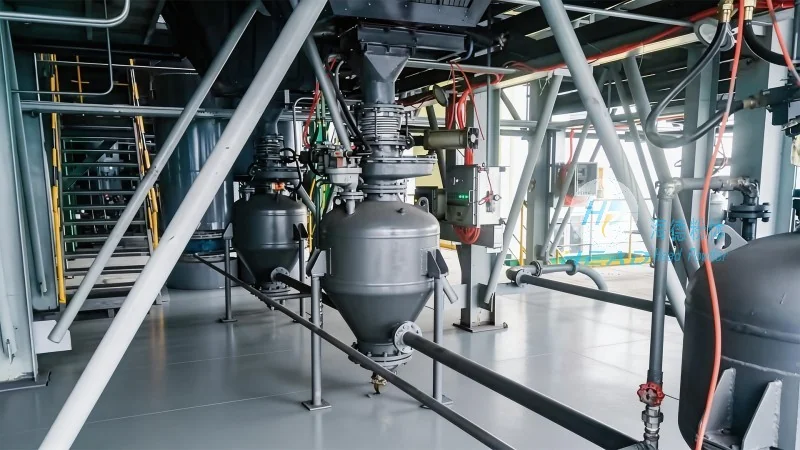
The Role of HeadPowder in Gypsum Powder and Dust Transportation Solutions
Shandong HeadPowder Engineering Co., Ltd., a leading provider of engineering solutions in China, specializes in designing and implementing customized transportation systems for gypsum powder and dust. With a strong focus on innovation and customer needs, HeadPowder offers tailored solutions that address the unique challenges of each project. The company's expertise includes the selection of appropriate equipment, such as high-efficiency pneumatic conveyors, robust belt systems, and advanced dust control technologies. By leveraging their experience in the industry, HeadPowder helps clients optimize their gypsum transportation processes, reducing operational costs and improving overall productivity.
Key Considerations for Choosing the Right Transportation Method
When selecting a transportation method for gypsum powder and dust, several key factors must be considered to ensure the best outcome. First, the volume and consistency of the material play a significant role. For large volumes, pneumatic conveying may be more efficient, while smaller quantities might be better suited for screw or belt conveyors. Second, the distance and layout of the facility are important. Long distances often require pneumatic or truck transport, whereas short distances within a plant can use conveyor systems. Third, safety and environmental considerations are critical. Dust control measures, such as filtration systems and enclosures, are essential to prevent airborne particles from affecting workers and the environment. Additionally, the cost of equipment, maintenance, and energy consumption should be evaluated to determine the most economical option.
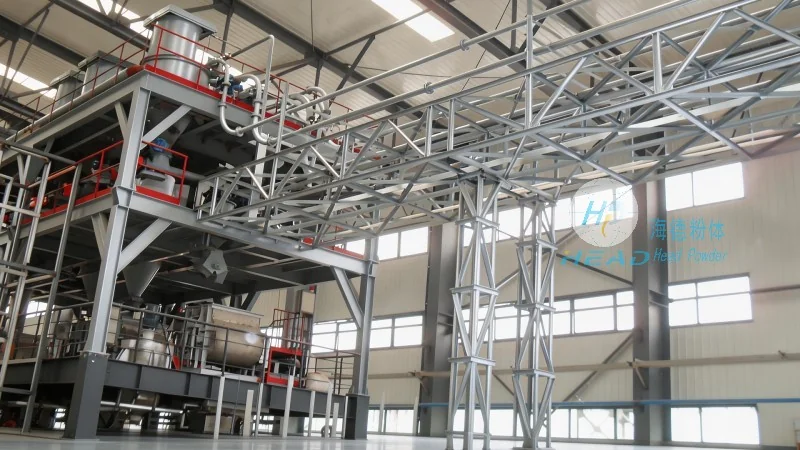
Conclusion on Effective Gypsum Powder and Dust Transportation
Effective gypsum powder and dust transportation is essential for maintaining smooth operations in industries that rely on this material. By understanding the various methods available and considering factors like volume, distance, and safety, businesses can choose the most suitable approach. Companies like Shandong HeadPowder Engineering Co., Ltd. provide valuable expertise and customized solutions to help clients achieve optimal transportation systems. With the right combination of equipment and planning, gypsum powder and dust can be transported efficiently and safely, supporting the success of industrial projects in China and beyond.




