

What Comprises the Pneumatic Conveying of Sodium Bicarbonate
For industrial applications involving the transportation of sodium bicarbonate via pneumatic systems, understanding the core components and operational principles is essential. This article explores the key elements that constitute an effective sodium bicarbonate pneumatic conveying system, focusing on the technical and functional aspects that ensure efficient material handling.
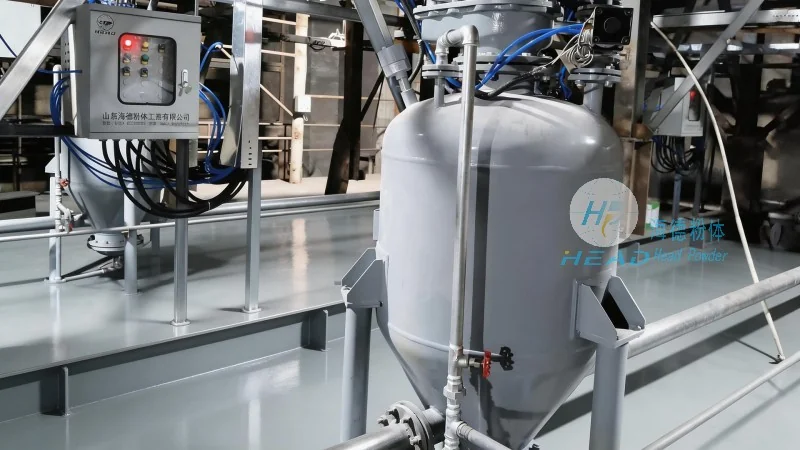
Key Components of Sodium Bicarbonate Pneumatic Conveying Systems
The pneumatic conveying of sodium bicarbonate typically involves several critical components that work in tandem to facilitate the movement of the material. These components are designed to handle the specific properties of sodium bicarbonate, such as its particle size, density, and flow characteristics. The primary components include:
- Material Hopper: A storage vessel where sodium bicarbonate is loaded before being fed into the conveying system. The hopper is equipped with a feeder mechanism, often a rotary valve or a screw feeder, to control the flow rate of the material into the conveying line.
- Conveying Pipeline: The pipeline through which compressed air or gas is used to transport the sodium bicarbonate particles. The pipeline is usually made of materials like stainless steel or plastic, chosen for their resistance to corrosion and the abrasive nature of the material.
- Compressor or Blower: The source of air or gas pressure that propels the sodium bicarbonate particles through the pipeline. The choice between a compressor and a blower depends on the system's requirements, including the distance and volume of material to be conveyed.
- Separation and Collection Equipment: At the receiving end of the system, equipment such as cyclones or filters is used to separate the sodium bicarbonate from the air stream and collect it in a designated container. This step ensures that the material is delivered without contamination and that the air is cleaned before release.
Feeder Systems and Flow Control
Effective flow control is crucial in sodium bicarbonate pneumatic conveying to maintain consistent material throughput and prevent system blockages. The feeder system, often integrated with the material hopper, regulates the amount of sodium bicarbonate entering the conveying line. Common feeder types include rotary valves, which provide a controlled, continuous flow, and screw feeders, which are suitable for handling bulk materials with varying moisture content.
The design of the feeder must consider the particle size distribution of the sodium bicarbonate. Coarser particles may require different feeding mechanisms to avoid choking or uneven flow. Proper calibration of the feeder ensures that the system operates at optimal efficiency, minimizing energy consumption and maximizing material transfer rates.
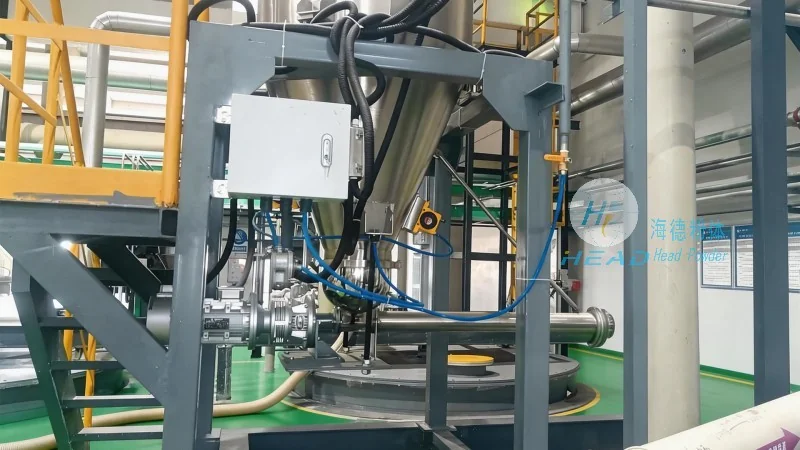
Compressor and Air Management
The compressor or blower is a vital component that generates the necessary pressure to move the sodium bicarbonate particles through the pipeline. The selection of the air management system depends on the specific application, such as the distance between the loading and unloading points and the required flow rate. High-pressure compressors are typically used for long-distance conveying, while lower-pressure blowers are suitable for shorter distances or when handling lighter materials.
Efficient air management also involves controlling the air velocity within the pipeline. The air velocity must be sufficient to keep the sodium bicarbonate particles suspended but not so high as to cause excessive wear on the pipeline or equipment. Proper air velocity management ensures that the material is conveyed smoothly without segregation or degradation.
Separation and Cleaning Systems
At the end of the conveying process, the sodium bicarbonate must be separated from the air stream and collected. This is achieved through separation equipment like cyclones, which use centrifugal force to separate particles from the gas. The separated material is then collected in a receiving hopper or container, while the cleaned air is either recirculated or released into the environment after filtration.
The effectiveness of the separation system is critical to maintaining product quality and preventing contamination. Proper maintenance of the cyclones and filters ensures that the system operates efficiently and that the sodium bicarbonate remains in its original state, free from dust or other impurities.
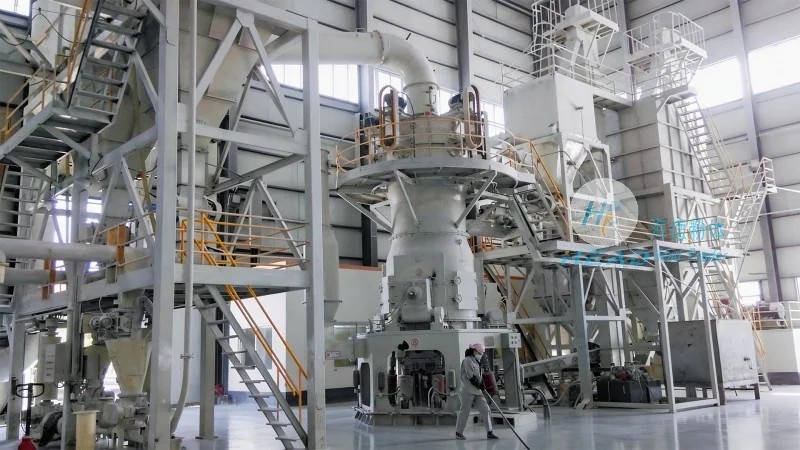
System Integration and Maintenance
An integrated pneumatic conveying system for sodium bicarbonate requires careful consideration of all components and their interaction. Regular maintenance is essential to ensure the system operates at peak performance. This includes checking the condition of the pipeline, inspecting the feeder and compressor, and cleaning the separation equipment. Proper maintenance not only extends the lifespan of the equipment but also ensures consistent and reliable material handling.
Shandong HeadPowder Engineering Co., Ltd., a leading provider in the field, specializes in designing and manufacturing customized pneumatic conveying systems tailored to the specific needs of sodium bicarbonate applications. With a focus on quality and efficiency, the company ensures that its systems meet the highest industry standards, providing reliable and cost-effective solutions for material handling.
Located in Shandong, China, Shandong HeadPowder Engineering Co., Ltd. leverages its expertise in engineering and material handling to deliver innovative solutions for the pneumatic conveying of sodium bicarbonate. The company's commitment to customer satisfaction and technical excellence has made it a trusted partner in various industrial sectors, including food processing, pharmaceuticals, and chemical manufacturing.